The Africa Brand Summit will be hosted on October 7 and 8
The Africa Brand Summit has been successfully hosted as an annual event since 2018. Calls have been streaming in for the event's thematic and strategic focus to move faster and address more pan-African issues, instead of just one country. The hybrid 2020 Africa Brand Summit will be hosted at The Vineyard Hotel, Cape Town, South Africa.
What is the Africa Brand Summit?
In the minds of millions of people around the world, especially those who have never been to Africa, perceptions about this continent tend to be negative as a whole. Immediate associations with Africa/being African, often stereotypically reference poverty, corruption, laziness, maladies, backwardness, archaic traditional systems, mores that stand in the way of modernity, and son.
Such perceptions often work against all efforts to promote Africa as a place to do business, to go for tertiary studies, and so on. In the end, they impede Africa’s full integration into the world economy on an equal footing, as a place of new knowledge creation and innovation beyond it being a mere source of natural resources for more developed economies.
Since the Africa Brand Summit proposes to become a respected platform for frank, politically unaligned, conversations – a place where Africans get to look into the mirror and acknowledge their own role in Africa’s perennially negative image – some people might find it to be an uncomfortable platform to participate in.
To date, we have managed to attract the participation of highly respected, ethical, and inspirational leaders in the public service, private business, civil society, media, etc. to speak at the summit. They have come from South Africa, Namibia, Nigeria, Ethiopia, Benin, Cameroon, Ghana, USA, Burkina Faso, Finland, Russia, Hungary, India, the UK, Switzerland, Portugal, Bulgaria, etc. Their impact, individually and collectively, has raised the bar for us. We intend to keep it that way.
What is the justification for this project?
• Individual countries in Africa, and throughout the continent as a whole, continue to suffer from perceptions, at home and around the world, that work against the continent’s need to generate global esteem and respect.
• As a result of the generally negative perceptions of this continent and what it means to be African, Africans tend to be negatively profiled and treated with suspicion when they
1) Go through customs/passport control around the world;
2) Enter restaurants, stores, business meetings, etc.;
3) Apply for or arrive at new professional appointments, as they get assumed to be incompetent/potential criminals until they prove themselves otherwise, even when they possess respected academic qualifications and are experienced in their field of expertise.
• To initiate, facilitate and host frank, pan-African, conversations about the current image of Africa (continent’s brand image) and how it impacts perceptions, goodwill and, eventually, socio-economic development.
• AND to eventually establish an Africa-based global destination image “research and advisory service” to provide globally applicable best practice in destination branding, positioning, and destination reputation management.
The service’s approach will aim to be 80% proactive and 20% curative, helping countries understand possible reputational ramifications of new policy proposals before they are adopted (80%).
There will also be crisis recovery advisory services on how best to manage “in crisis” and “post-crisis” communication.
What is the approach to the Africa Brand Summit?
• The Africa Brand Summit is a lot more than an annual event where people come and exchange ideas, network, and then go back home. Deliberations at each annual event will be underpinned by research on the current and evolving image/reputational status of Africa, globally, with the selective country and regional deep dives.
• The discussions will therefore ask: What is the current reputation/image of Africa as a whole, each of its five regions, and of select influencer countries?
o How does such an image/reputation influence attitudes in Africa and across the world? o What are the key drivers/influencers of such an image/reputation?
o What must be done to augment/enhance the positive aspects and to progressively eliminate the negative ones?
o What recommendations will be made for policymakers and other leaders in politics, corporate/business, civil society, media, etc. to get them to understand their respective roles and, eventually, get them to play their part in generating, through their conduct, a progressively positive image of Africa, on the whole, and render it more attractive and hospitable for key skills (including those of expatriate Africans across the globe), (business) tourists, investors, global corporations, multilateral organisations, etc.?
Founder and convenor of the Africa Brand Summit, Solly Moeng said this annual event would not have come as far as it has without the support of partners in business, government, civil society, academia, local and international sector and professional bodies, media, and other sectors of society.

The Africa Brand Summit is more than just an annual talk shop. It has already been cited on several occasions as a body urging the government in South Africa to begin speaking in one voice and come up with clear political and economic policies.
It will continue to reach out to African policy influencers and legislators in order to positively engage them with a view to influencing their policy decisions for the benefit of the continent.
The bias of the summit’s programmatic content will always start at local level, with its successive host countries, followed by their regions, then the whole continent.
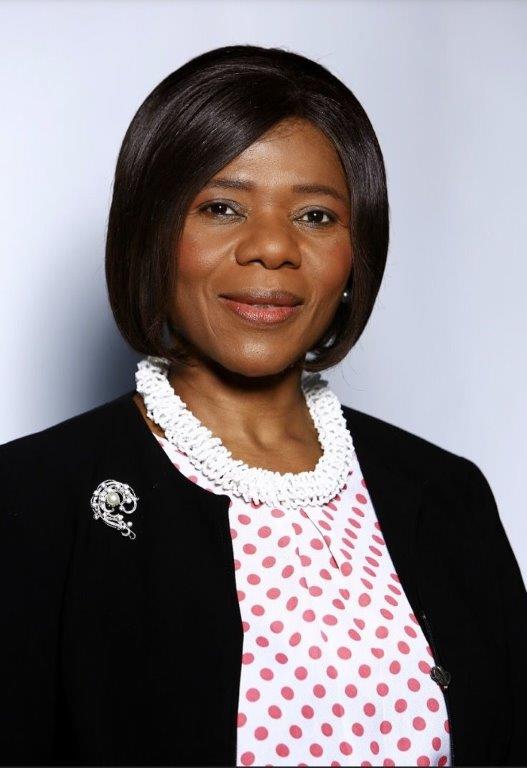
For global benchmarking, speakers and panellists such as Prof Patrick Loch Otieno Lumumba, Prof Thuli Madonsela and several others will come from across the globe. For the rest of the programme click here.
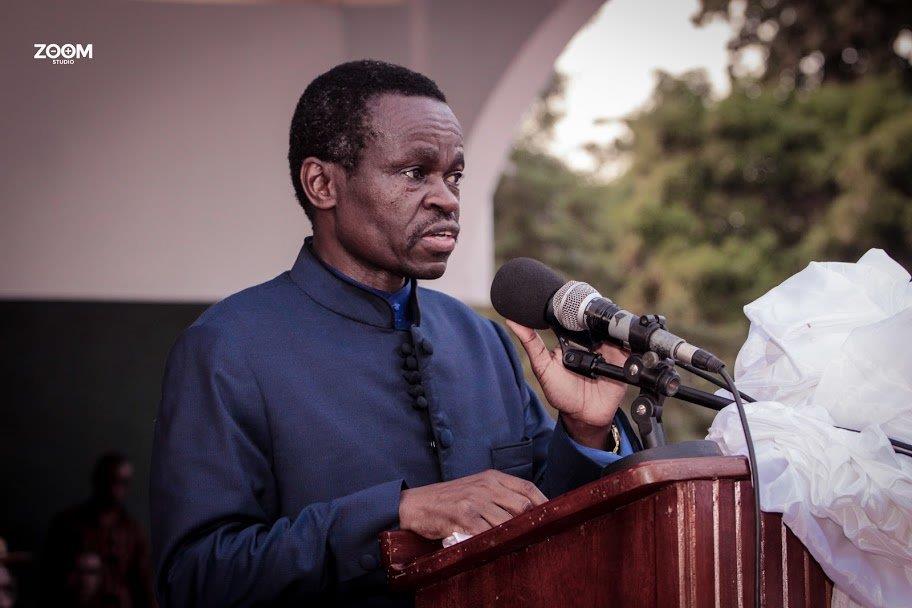
Reliable, tested scientific research will always be at the core of our deliberations, says Moeng. “Our sponsoring partners will always benefit from opportunities for brand exposure, networking with key decisionmakers in their and other related fields, as well as opportunities to influence policy decision-making through the platforms created by the summit,” he says.