World Down Syndrome Day: What to expect parenting a child with Down’s syndrome
Paed-IQ BabyLine, a telephonic medical helpline for pregnant mothers and new families, released a statement recently containing what new parents may expect when raising a child with Down's syndrome, in an attempt to demystify this.

While South Africans know March 21 as Human Rights Day, internationally World Down Syndrome Day is observed.
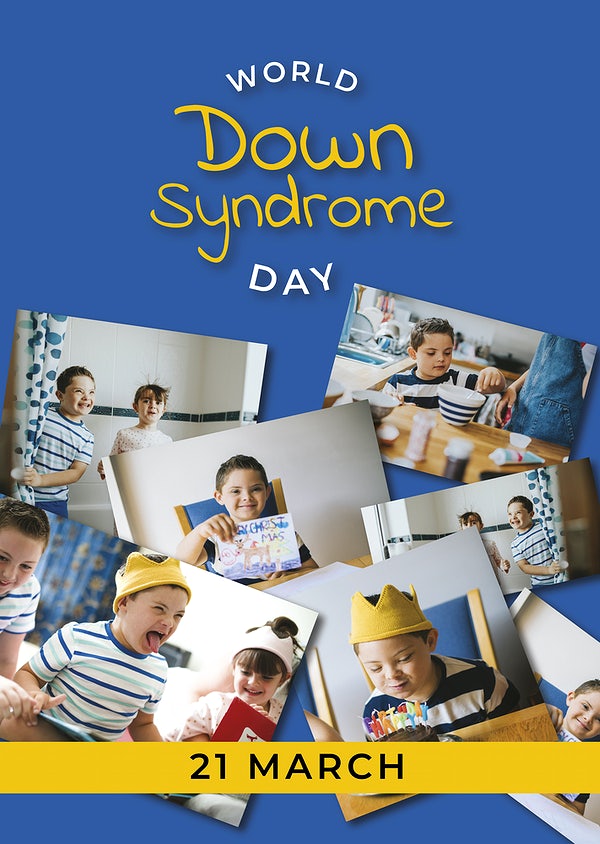
Paed-IQ BabyLine said many cultural taboos surround talking about or having a child with Down’s syndrome.
“The most important thing to understand is that raising a child with Trisomy 21 (Down’s syndrome) is challenging, given that the entire family dynamic will be affected,” said Paed-IQ BabyLine CEO and paediatrician, Dr Iqbal Karbanee, in the statement.
“High levels of support and understanding are essential,” he said.
Karbanee said Down’s syndrome is caused by the triplication (trisomy) of the 21st chromosome and affects approximately 1 in 800 newborns.
ALSO READ: Lowveld Walkers back on the road
He said many features of Down’s syndrome can be picked up during pregnancy and screening is readily available. This is offered mostly in high-risk cases of which the commonest is expectant mothers of advanced years.
“If you are pregnant and are diagnosed, it can be a major shock, and parents have to face the choice of carrying on with the pregnancy or not. This is an intensely personal decision and should be carefully considered after discussion with all involved, and importantly, also the medical team,” said Karbanee.
He said babies affected by Down’s syndrome have a higher risk of abnormalities affecting multiple systems of the body.
“Parents will need to understand the newborn will require a cardiac assessment as well as blood tests to ensure the body’s systems are functioning normally. Feeding can be a problem as low muscle tone is associated with Trisomy 21.
“The best way to approach this is to ensure the medical team is involved often, as regular follow-ups and check-ups will be important. You need to make sure you can trust your medical team; this will be essential for getting the help your baby needs,” said Karbanee.
ALSO READ: Premier proposes Mountain View recommended site for Mbombela’s new dam
He added that a child with Down’s syndrome will have different needs to other children and developmental milestones will be delayed, therefore parents may expect the baby to sit and crawl much later than normal.
“Special schooling will be necessary, as well as ongoing visits for physiotherapy and possibly occupational and speech therapy,” said Karbanee.
“Having said that, while having a child with Down’s syndrome may be a huge adjustment for the entire family, the good news is that these children tend to have a pleasant personality; parents report that they are a delight to the family.”
Karbanee encouraged parents to speak to their paediatrician about all their concerns, fears or expectations, as it is the paediatrician’s role to coordinate the care of the child and ensure the health of the child is optimised.
For more information on Paed-IQ BabyLine, visit the website at www.paediq.com.
ALSO SEE: GALLERY: A day in the wild with Marc Cronje