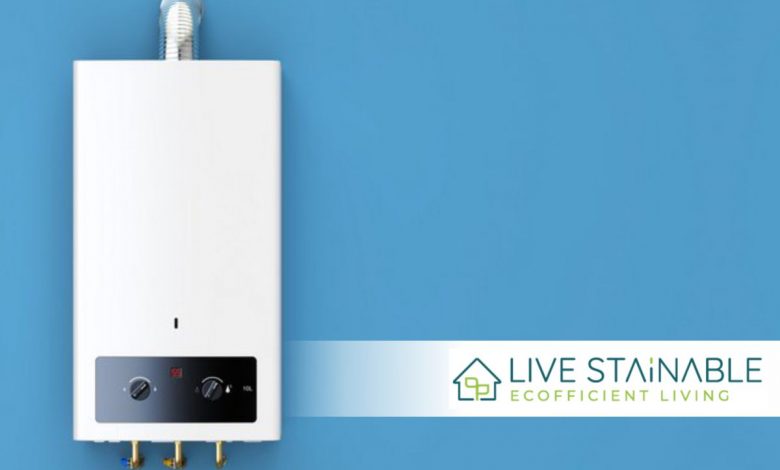
The provision of hot water in any household is a crucial factor which makes having a reliable geyser very important. and it is important to have a reliable geyser to ensure this. Geysers are widespread and available from a great number of retailers, wholesalers, and online stores.
If you are in the market for a new geyser, there are a few factors that you must consider, including the size/capacity of the geyser that you need, the supplier that you are buying from to ensure that you buy quality, and the type of geyser that you are considering, whether it’s gas or electric.
Livestainable is one of the most reputable suppliers of gas geysers in South Africa and well known for providing customers with the tools that they need to live more sustainably.
The difference between a gas and electric geyser
There are several distinct differences between gas and electrical geysers. These can clearly be viewed in the following table:
| Consideration | Gas Geyser | Electric Geyser |
| Safety | Risky and not recommended for use in homes (Preferred Outdoors) | Very safe and recommended for multiple purposes due to features |
| Cost | Lower in cost where consumption is concerned | Costly where consumption is concerned |
| Initial Purchase Price | Budget-friendly with a range of options | Costly |
| Heating time | Water is heated Instantly on demand. | Water takes some time to heat, however, water can be kept warm efficiently |
| Space | Additional space required for the LPG cylinder and adequate ventilation is required | Can be mounted to a wall, making it perfect for modern houses |
| Durability | Between 6 to 8 years due to the working mechanism involved with heating | Can last more than 8 years if maintained |
| Environmental Impact | Medium, still considered an environmentally friendly option | Low, with water being heated through electricity |
| Ease of Installation | Difficult | Easy |
Pros and cons of a gas versus electric geyser
The Pros and Cons of both types of geysers can easily be seen when viewing the table provided above. Gas geysers are inherently known for saving money in the long term as it does not use electricity to heat water, but the requirements to ensure the safe operation of a gas geyser may not be possible in all households.
Electrical geysers, on the other hand, are more versatile and can be installed against a wall without much effort. Despite this, however, electrical geysers take much longer to heat water and they can be more expensive where maintenance is concerned.
In addition to this, if there are power outages for extended periods of time, you will not have any hot water until power is restored.
READ MORE: WATCH: A homeowner’s guide to geyser maintenance
Which is better, a gas or electric geyser?
While gas geysers are the way forward in a world moving towards becoming more sustainable, they are not always the best or easiest option for all home setups. However, keeping this in mind, the benefits that they have outweigh their disadvantages and they have proven themselves valuable in providing reliable, consistent hot water.
The choice between the two will depend on the individual customer and what they are willing to spend in addition to what their setup is, and whether they can make adaptions to have a gas geyser installed.