FED Interest Rate Increase: What It Means for You and the World Economy
On December 14th (2021), the FED announced that they will be increasing interest rates by 0.25%. This is the first increase in interest rates since 2006, and it signals a return to normalcy for the FED. So what does this mean for you and the world economy?
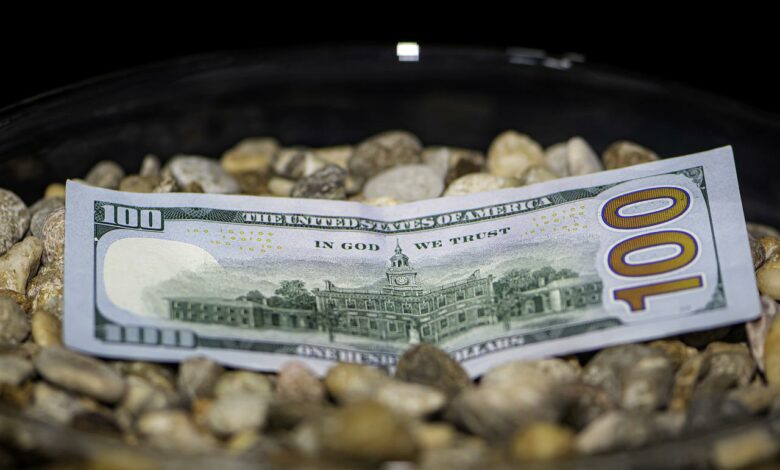
The FED’s decision to increase interest rates will have a ripple effect throughout the world economy. For one, it will cause the value of the US dollar to increase relative to other currencies. This is because when interest rates go up, so does the demand for US dollars ( since people want to invest in assets that will give them a higher return). As the value of the US dollar increases, it makes imports more expensive and exports cheaper. This can cause inflation in the US, as well as in other countries that export to the US.
The European central bank also has a plan to increase interest rates in late 2022. This is likely to have a similar effect on the European economy as the FED’s interest rate increase. According to Finance43.com, “The ECB’s plans to raise rates could cause the euro to strengthen, making imports more expensive and exports cheaper. This could lead to inflation in the Eurozone.”
Why FED and ECB are increasing interest rates?
The decision to increase interest rates is a response to the strong economic recovery that has been occurring in the US. The FED wants to make sure that the economy does not overheat and inflation does not get out of control. By increasing interest rates, the FED will be able to slow down the economy if it starts to grow too quickly.
The FED’s decision to increase interest rates is also a response to the increasing prices of assets such as stocks and real estate. By increasing interest rates, the FED will make it more expensive for people to borrow money, which will reduce demand for these assets and help to prevent a bubble from forming.
The interest rate increase will also affect bond prices. When interest rates go up, bond prices go down. This is because when interest rates are higher, it becomes less attractive to invest in bonds. This can cause problems for countries with a lot of debt, as they will have to pay more interest payments.
The decision to increase interest rates will also have an effect on the stock market. When interest rates go up, stock prices usually go down. This is because when interest rates are higher, it becomes more expensive for companies to borrow money. This can cause a decrease in profits, and therefore a decrease in stock prices.
The FED’s decision to increase interest rates will have a negative effect on South Africa. This is because when interest rates go up in the US, it causes the value of the US dollar to increase relative to other currencies. This makes South African exports more expensive and imports cheaper. This can cause inflation in South Africa, as well as a decrease in economic growth.
So what does all this mean for you? If you are an investor, it is important to keep an eye on how the world economy is affected by these interest rate changes. If you are a borrower, you may want to consider taking out a fixed-rate loan. Experts at Kreditus say, “If you’re considering taking out a loan in the near future, it may be worth doing so before the interest rates go up.” This way, your interest payments will not increase even if the FED’s interest rates go up in the future.
In short, the FED’s decision to increase interest rates will have wide-ranging implications for the world economy. It remains to be seen how all of these effects will play out, but one thing is for sure: the FED’s decision will have a big impact on the world economy.