Kruger elephants are tested for human-strain tuberculosis
It was discovered that an elephant had died in the park in 2016 from human TB after a post-mortem was done.
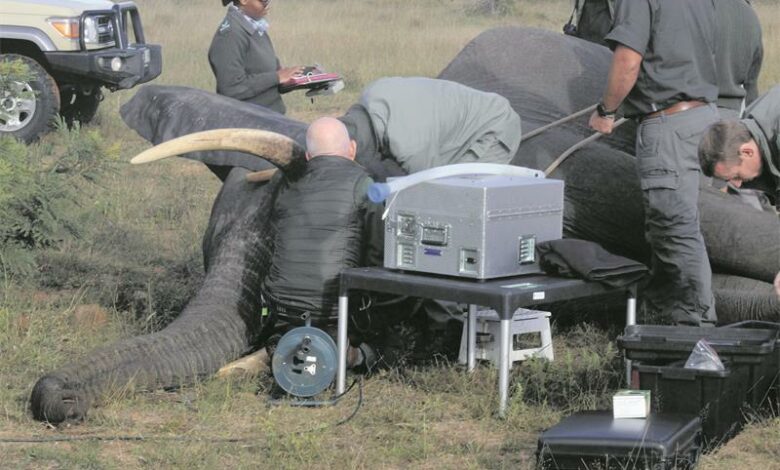
About 50 elephants have now been tested for the human strain of tuberculosis (TB) in the Kruger National Park (KNP).
The quest to ascertain the prevalence of this disease in elephants continues. A young bull elephant was tested on Wednesday June 29, to be screened for this strain in effort to stop the spread of the disease and extinction of elephants in the park.
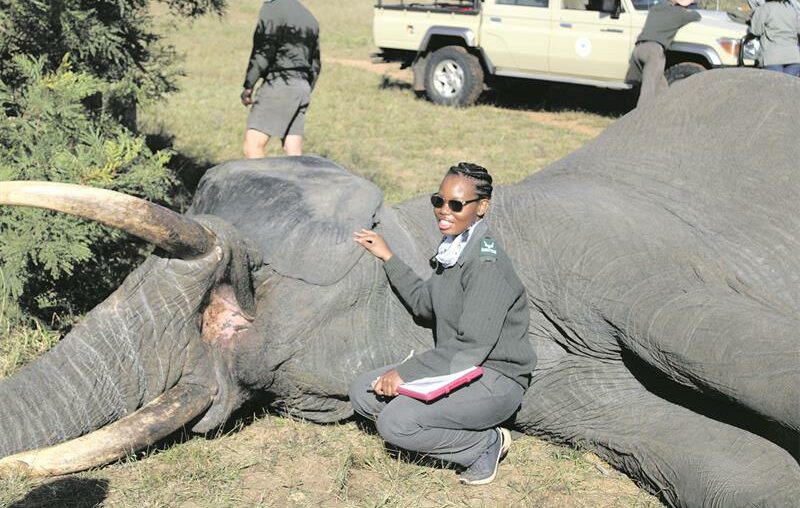
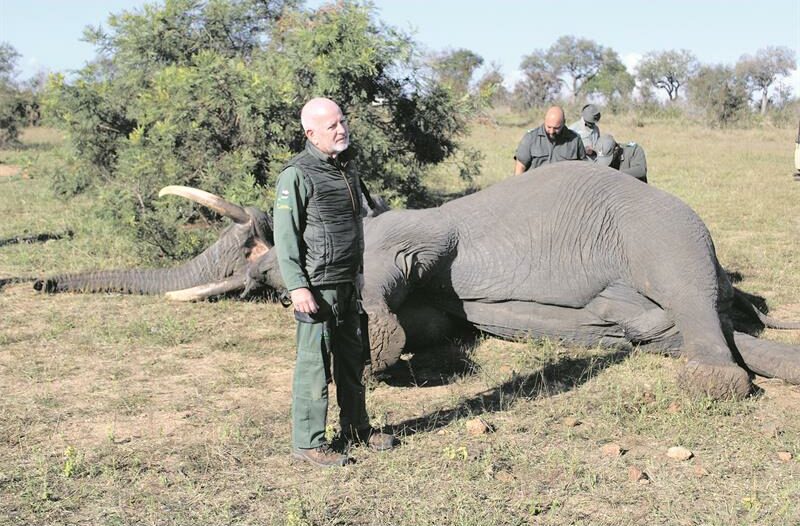
Peter Buss, senior manager of KNP’s veterinary services, said the continuous testing for TB is to help curb the disease so it does not turn into an epidemic in the park.
“Today we will be using the trunk wash culture and its polymerase chain reaction, which is the preferred technique for TB testing in elephants. However, none of these techniques can identify mycobacterium tuberculosis infection without bacterial discharge. As a result, if the trunk wash test is positive, the elephant has already discharged bacteria and may have infected other surrounding elephants, or other species.
ALSO READ: 37 arrested following protest in the Lowveld
“We are trying to get as many elephants as possible so that they can be tested, and we are trying possible ways of stopping the TB from spreading all through the park as it may endanger other species or even tourists.”
ALSO READ: Samancor Chrome issues homes with electricity access
Tebogo Manamela, a KNP veterinary technologist, said, “As the team sought to test more elephants, the research greatly expanded. Over 50 elephants have been tested thus far. Numerous animals, including lions, buffaloes and rhinos, have also been tested. The majority of zoonotic diseases, with the exception of elephant disease, are brought on by pathogenic microorganisms such bacteria, fungi, parasites and viruses. These microbes can infect animals and produce a range of ailments, from minor discomfort to life-threatening conditions.”
Do you have more information about the story?
Please send us an email to editorial@lowvelder.co.za.
For free breaking and community news, visit Lowvelder’s website: Lowvelder
For more news and interesting articles, like Lowvelder on Facebook, follow us on Twitter or Instagram