A natural treasure chest at Buffelskloof Reserve
The Buffelskloof Nature Reserve lies between Lydenburg and the Sudwala Caves. It is not a commercial reserve, but an area where researchers can work undisturbed.
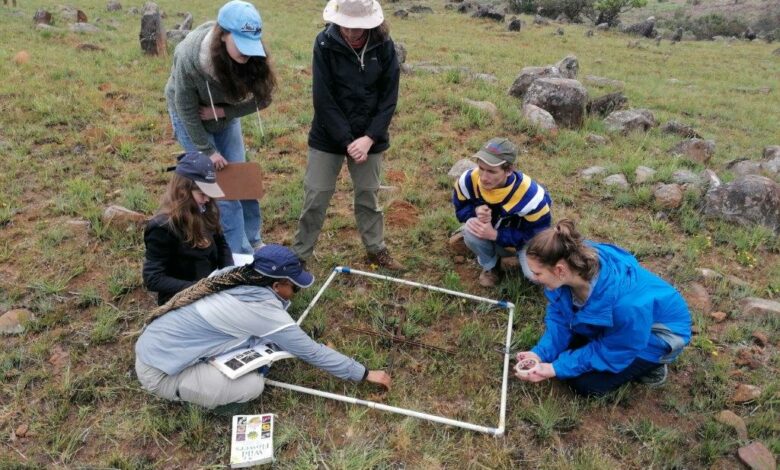
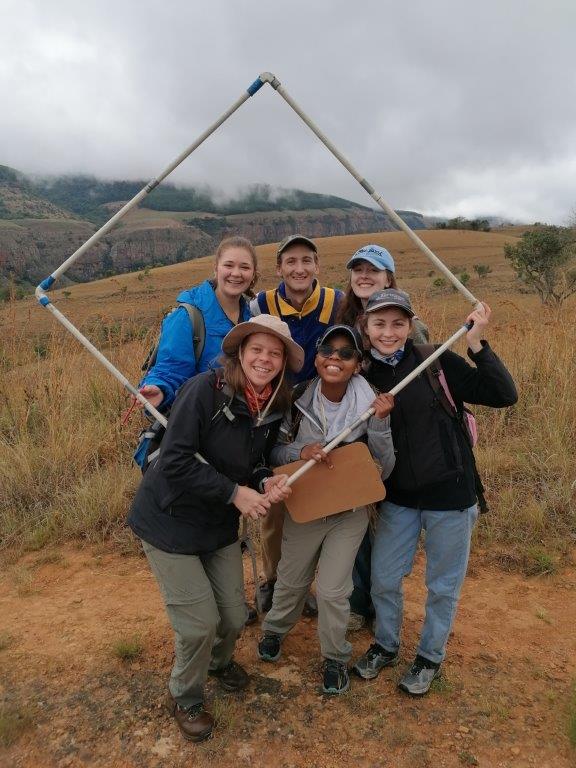
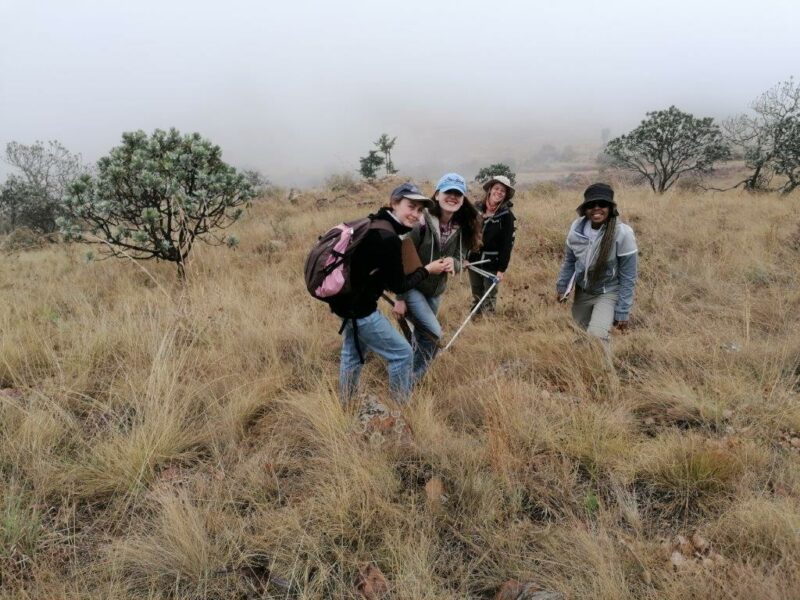
Myette du Preez, an honours student, and Michelle Greve, associate professor of the Department of Plant and Soil Sciences, University of Pretoria, were part of a bigger research team that worked in the reserve late last year.
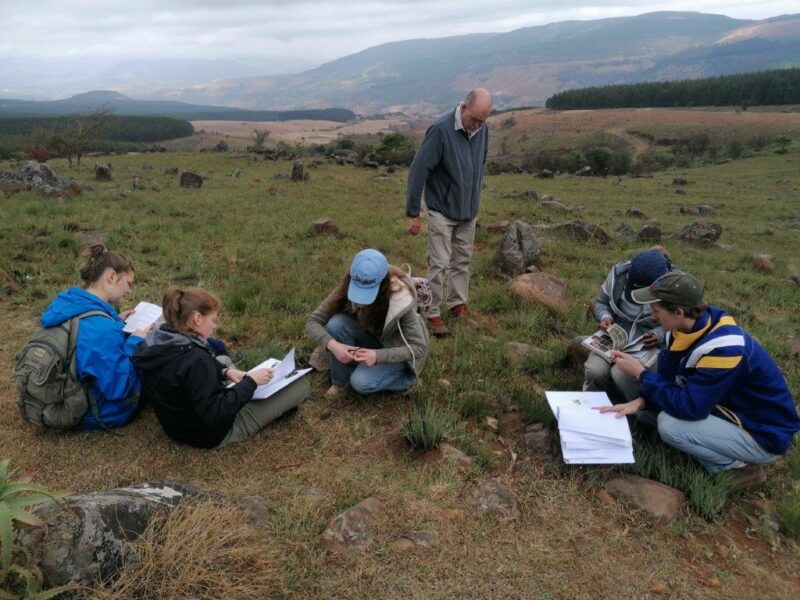
In addition to the research project, the students were required to write about any topic in the study area. Student, Myette du Preez obtained valuable information from previous research work on rocks, as centres of endemism and diversity.
As they had so many interesting findings about the grasslands and rock cover around Lydenburg, they decided to share them with the local media. Nature’s love of texture is very evident in the Buffelskloof Nature Reserve. The use of texture in nature is known among ecologists as “heterogeneity”. It refers to an area with various environmental conditions.
Also read: Undocumented learners not to be denied admission to Mpumalanga schools
Such variability often leads to large numbers of plant and animal species being supported in heterogeneous landscapes.
On a macroecological scale, you can picture an area like the satellite image above of Buffelskloof Nature Reserve, Mpumalanga. The reserve is home to the largest kloof in Mpumalanga, which opens up to soft rolling grasslands.
Because of the topographic heterogeneity of the area, some areas will be in shade for most of the day, and others in full sun. Forest will dominate in moist and shaded environments at the base of the cliffs, while grasslands are typically found in the drier and full-sun areas at the top. However, heterogeneity can be seen at much smaller scales. Think of the veins on a leaf with patterns analogous to those of the branches that carry it. A similar effect could be seen by zooming into the beige areas (montane grasslands) of the satellite image. Rocks Scientists have found more plant and animal species in the rocky part of grasslands.
By creating microenvironmental conditions such as additional shade, these rocks provide finer texture (i.e. heterogeneity) to the grasslands. If present on a slope, they will capture the water and nutrients before drainage. In effect, this heterogeneity results in the establishment of various plant species that have different habitat requirements from those in open grasslands.
This results in an overall higher number of plant species occurring in the landscape. These, in turn, attract more species of insects and small mammals. Shady organisms’ striking feature in rocky areas is the number of additional surface areas they provide – surfaces that seem like they do not contribute much to the productivity of grasslands.
Rocks
However, the sun-baked surface areas are ideal spots for cold-blooded animals such as lizards and snakes to rest on. They are also visited by butterflies that use them to display cryptic behaviour while resting or regulating their body temperature. As a bonus, the rock surfaces provide a platform to increase their flight performance.
Naturally, you will find more butterfly species among rocky grasslands in general due to the many plant species surrounding the rocks. This pattern is also seen among grassland grasshoppers that, like butterflies, are very specific with regard to the plant species they associate with. Another spectacle can be observed underneath rocks. Should you lift a rock at night (not recommended) and shine a UV light over the surface, you might be lucky to see the bright fluorescent green of a scorpion. Indeed, rocky areas within grassland areas play an important role in scorpion endemism in South Africa, with scorpion numbers being higher in areas of high rock cover.
Opportunists
Butterflies can easily camouflage themselves on rock surfaces. The coloured flecks, called “lichens”, seen on the surfaces are composed of two different living organisms that benefit one another (a “mutualistic” relationship) – green algae/ cyanobacteria and fungi. Within grasslands, lichens are especially dependent on rocks for their growth since grasses normally result in shading environments.
They play an unexpected role in grasslands by secreting acids, causing rock erosion. While this is an extremely slow process, the rock fragments ultimately break off and some of them remain in the soil. These rock fragments help retain water, prevent soil erosion, regulate temperature, and promote soil microbes, which will increase decomposition and organic matter. This not only increases fuel for fire events but also provides nutrients for plant growth around rocks.
The tree that found a safe haven
Grasslands are maintained by means of disturbance such as fire and herbivory. Many of the species are bulbous plants that are dependent on the heat to resprout while some are even stimulated by the smoke of wildfires. Others are fire resistant such as the butterfly bush (Rotheca hirsuta), which resprouts every year from its underground rootstock. Grassland species are specially adapted to handling the full sun. Fire is an important and natural part of grasslands. It limits the establishment of trees and shrubs, thereby preventing grasslands from being turned into savannas and forests. However, some trees manage to use rocks to establish themselves within grassland areas. In grasslands, where fires are naturally frequent, fire-sensitive trees and shrubs find refuge in between rocks. Because rocks are not flammable, trees growing within a rocky area experience fewer and much cooler fires.
Adapted from a research article by Myette du Preez. Contribution initiated by Michelle Greve, associate professor of the Department of Plant and Soil Sciences, University of Pretoria. Photos: Myette du Preez.
Also read: Man fined R10 000 for mooning elderly Marloth Park resident