Department announces a breakthrough in the fight against rhino poaching
Figures show an 11% decrease, or a decline of 28 rhinos, killed for their horns, compared to the same period in 2022, according to a recent statement from the Department of Forestry, Fisheries and the Environment.
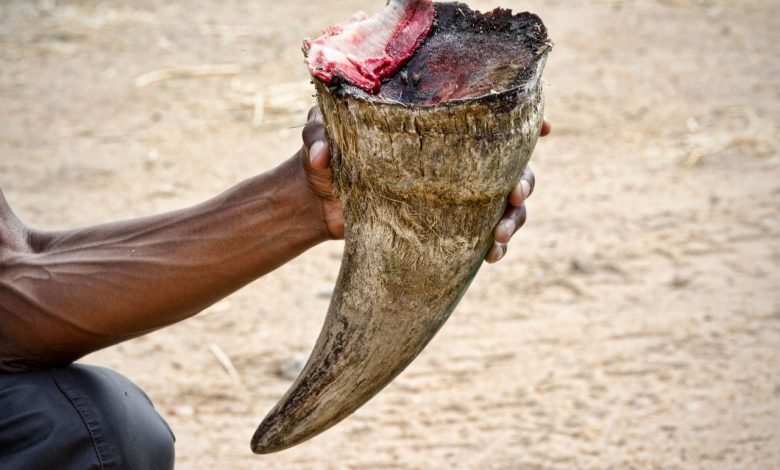
In the first six months of the year, 231 rhinos were killed in South Africa.
These figures represent an 11% decrease (or a decline of 28) in animals killed for their horns, compared to the same period last year, said the Department of Forestry, Fisheries and the Environment in a recent statement.
It said between January 1 and June 30, poaching trends also continued to show a move away from the Kruger National Park (KNP) to provincial and private reserves. A total of 42 rhinos were poached in the KNP and 143 in KwaZulu-Natal. Forty-six of the rhinos killed were in privately owned nature reserves and 143 were in provincially owned ones.
According to the statement, because the demand for rhino horn remains a constant threat to rhino populations, collaboration between law enforcement agencies, including the SAPS, DPCI and the Green Scorpions, customs officials, the Financial Intelligence Centre (FIC) and the National Prosecuting Authority (NPA), remain key. These efforts are supported by private security.
ALSO READ: KNP celebrates Ranger Day
“An important development in strengthening the collaboration between these role players to effectively address the organised nature of rhino poaching and wildlife trafficking, is the cabinet’s recent approval in May this year of the National Integrated Strategy to Combat Wildlife Trafficking.”
Forestry, fisheries and the environment minister Barbara Creecy said, “This strategy aims to break the illicit value chain of wildlife trafficking in South Africa and beyond its borders. It represents a commitment by the government to direct law enforcement ability and effort and mobilise society support to address the threat wildlife tracking poses to national security and the country’s rich biodiversity. Although our main focus is currently rhino, the strategy also aims to address the illegal trade in, and poaching of, other species that are threatened by trafficking syndicates, like abalone.”
In the first six months of this year, the work with both the SAPS and the NPA has led to the conviction of 31 offenders. The majority of sentences were custodial.
In Skukuza, one suspect found guilty of killing three rhinos and being in possession of unlawful firearms and ammunition, was sentenced to an effective 32 years’ imprisonment.
In another matter, three accused, found driving in the KNP with five rhino horns hidden in the vehicle, a hunting rifle with a silencer, and ammunition and knives, were convicted for the killing of three rhinos in the park, being in possession of unlawful and dangerous firearms and ammunition, and trespassing. Accused one and two were sentenced to 34 years’ imprisonment, while accused number three was sentenced to 39 years’ imprisonment.
One was also sentenced in Limpopo and six in the Eastern Cape. With World Ranger Day on July 31, the statement went on to say it is important that the bravery and dedication of the men and women who run our ranger services and who are on the frontline of the battle against wildlife poaching be honoured.
ALSO READ: Mpumalanga youngsters qualify for Sacopa finals
The role of rangers in supporting the prosecution and sentencing of those arrested for wildlife crimes committed in the Kruger cannot be underestimated. There is strong collaboration between the SAPS forensic teams and SANParks Environmental and Corporate Investigations department when attending crime scenes to ensure the collection of vital evidence to link suspects to the crimes. It is also done to ensure minimum contamination of the scene.
During a meeting earlier this year with the Director of Public Prosecutions’ Environmental Working Group, the challenge relating to the opposing of bail because rhino poaching is not listed as a scheduled offence was discussed. Research is being conducted to propose, if viable, legislative amendments to address this challenge.
In response to a range of studies that point out collusion between ranger services and criminal syndicates, the KNP has developed a holistic ranger services – integrity management plan. It aims to improve ranger morale and resilience to corruption by providing services that enhance ranger health and well-being, provide training and counselling, and offer a range of financial management services and debt management. The ranger service has also enlisted the Association of Savings and Investment South Africa Foundation to provide specialised financial literacy training for all field rangers. This was attended by 334 employees. SANParks has also established an Integrity Testing System (a polygraph policy) for recruits and to support anti-corruption investigations.
To ensure the safe passage of tourists en route to the park, SANParks has joined a task team championed by the deputy minister of tourism, Fish Mahlalela, in collaboration with the traditional leaders of adjoining communities, the SAPS and private security companies to ensure constant patrols along the identified hotspots en route to the KNP.
South Africa’s national parks are situated in areas of extreme poverty and are surrounded by many vulnerable communities. In order to ensure that communities on the outskirts of parks benefit from tourism and thus help to keep tourists safe, SANParks has held several stakeholder engagements with entrepreneurs in the past four years about the provision of goods and services to the parks.
In addition, through Working for Water, Ecosystems and Wetlands programmes, 33 222 work opportunities have been created for communities living on the outskirts of our national parks.
Members of the public can report any suspicious activities around wildlife to its environmental crime hotline, 0800 205 005, or the SAPS number, 10111.