Safety tips to know before visiting Pilanesberg
These are the safety precautions you need to know before embarking on a safari trip.
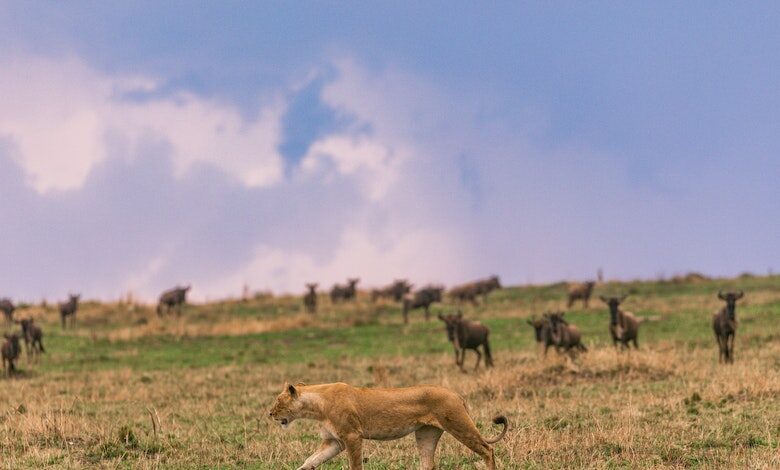
Many people consider an African safari to be a bucket list vacation, and Pilanesberg provides most of the excitement expected from such a safari.
However, after occasional but much-publicised incidents on safari, some may question whether it is a good idea. After all, wild animals offer no guarantees. Although statistics are difficult to come by, the truth is that such incidents are uncommon on game reserves. Every year, millions of people visit Africa to go on safari and have a safe and unforgettable experience.
Is a safari to Pilanesberg safe?
If you are planning a trip to Pilanesberg, here are some safari safety tips that you should remember.
1. Be alert when driving on public roads to the reserve
Pilanesberg is about 150 kilometres from Johannesburg, and the roads leading to the park are all tarmac and in good condition, but there is always the possibility of crime along the route.
Fill up your gas tank to avoid getting stranded on the side of the road. Save important phone numbers for emergencies and keep water and food on hand in case of a breakdown, especially if you have children in the vehicle.
2. Know where you are going
Plan your route in advance, hire a GPS-equipped car, or use an app like WAZE to get directions to your destinations. Maintain focus on your destination and be aware of your surroundings.
Never pick up strangers or hitchhikers and don’t try to be a hero or fight back in case of an attempted hijack. Instead, collaborate and put your own safety ahead of worldly possessions.
You might also be interested in a Soweto Tour
3. Keep your valuables safe
Be mindful of common tourist scams and keep your valuables hidden, preferably in the trunk. Don’t leave items like your camera or laptop on the seat while driving, as this makes you a target for a ‘smash and grab.’ Wherever you pull your wallet out, be careful. Also, carrying large sums of money is not advisable.
4. Stay inside your vehicle inside the reserve
Roads in the park total about 200 kilometers, making it an ideal self-drive safari destination. But you must check the Park’s rules and regulations before driving out, and do not speed for your own sake and the animals’ safety.
When in the park, stay in your vehicles. Animals in the wild see the vehicle as a single large object and do not associate it with humans or food. Don’t stand up, lean out, or take a step outside.
5. Avoid contracting Malaria
Although the area does not have a high malaria risk, precautionary measures such as mosquito repellent and mosquito nets are recommended. Before you leave for your trip, consult your doctor to see if you should take anti-malaria medication.
A hat and sunscreen are also recommended, especially if you’re going on game drives in an open-air vehicle. If you’re going on a walking safari, you should wear socks and closed shoes. Avoid exposing your bare feet and ankles to critters such as spiders, ticks, and scorpions.
6. Never swim in any place other than designated swimming pools
Most safari drives take place early in the morning or late in the evening, when animals are most active. If you’re hanging out at a camp during the day, resist the urge to go for a swim in any nearby waterways. Aside from the dangers posed by parasites, you never know what lurks beneath the surface.
7. Make sure that you have travel insurance
If you follow these guidelines, you should have a safe experience on your Pilanesberg safari, but you should always have insurance just in case bad things happen. Also, safari tours may take you some distance from medical care, so make sure you’re covered if you require immediate transportation to the necessary care.
Also Read: Video: Wild Dogs vs Cheetah standoff over kill