MBOMBELA – It has been nearly 22 years to the day since South Africa first went to the polls in a democratic election. Still, racism affects all her children.
Ahead of celebrating Human Rights Day on Monday, South Africans are observing Anti-Racism Week. March 21 has been declared the International Day for the Elimination of Racial Discrimination by the United Nations.
The day is synonymous with the Sharpeville massacre in 1960 when 69 unarmed people protesting the apartheid-era pass system were killed by police.
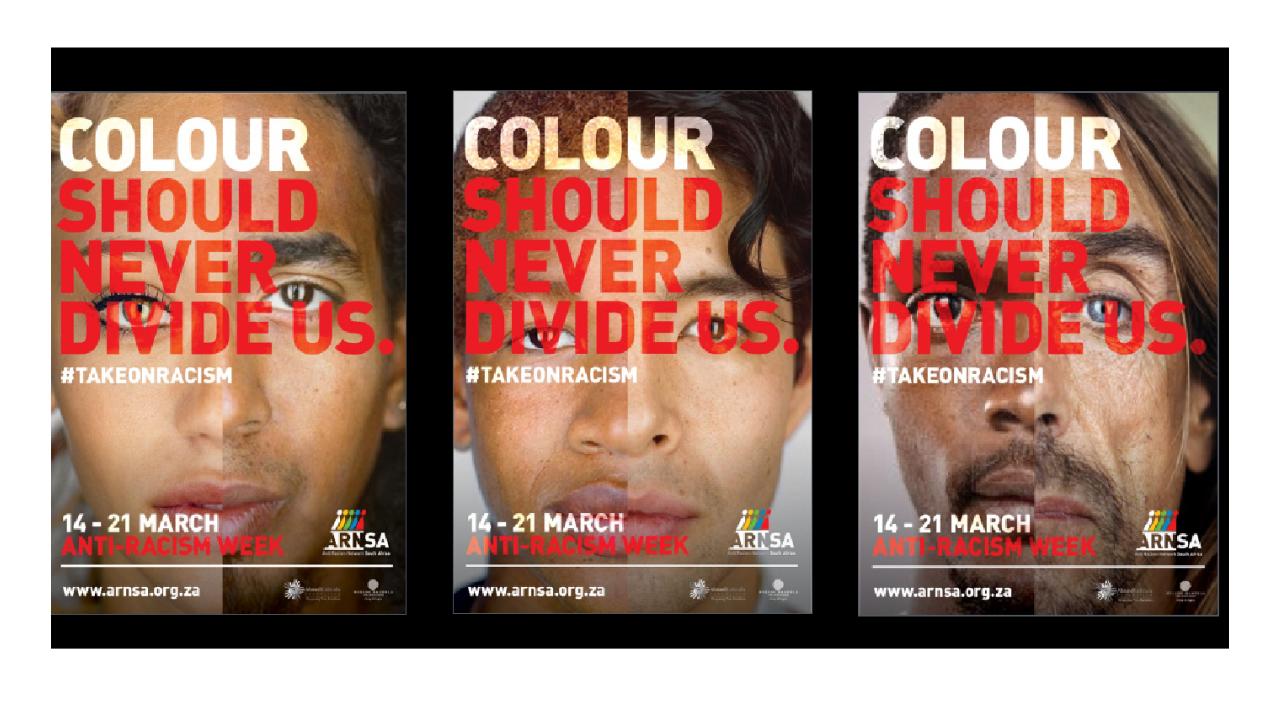
This year, for the first time, the African Racism Network of South Africa (Arnsa), the Ahmed Kathrada Foundation and the Nelson Mandela Foundation have declared it Anti-Racism Week.
It aims to create a broader public awareness of how racism affects individuals and how good practices can eradicate it in society.
Lowvelder asked business leaders in Mbombela: what can we do to help remake our society?
Mr Oupa Pilane from the Guma Group said when people talk about race, they should talk about their positive experiences more. “It feels as though we haven’t made progress, but we have. We just don’t talk about the positive things others do. We don’t talk about the integration of our schools.”
Yes, we must confront racism where we come across it, and no we cannot pretend everything is okay while discrimination happens against somebody, but we are wired to be negative.
“We must become what we purport to be – 80 per cent of this country is Christian. There is no black or white or male or female spirit. How we relate to each other, should please God. Even in business, it is not just secular. All work was created by God.
“We should talk about our need to work together. We should spend our energies on working together.”
Ms Dolly Mbuyane, managing director of Nozihle Cleaning Services, said she found some people still needed to make the mind shift away from viewing people in terms of their colour or gender.
“We have to look at each other as human beings, and look at the value each one adds. We have to think beyond colour. People who don’t look beyond it, do themselves a disservice.”
In Mbuyane’s case they are missing out on a successful entrepreneur who creates jobs and treats her employees how she wants to be treated: not as black or white or a man or a woman.
“I want to be viewed as a business person. In turn I view my employees in terms of the quality of service they provide, the value they add to the business.”
Ms Lasea Swift, managing director of Swift Electrical and Plumbing, agreed that is was important to treat everyone the same.
“We make no distinction between people, whether they are of different colours or genders. I think this has contributed a lot to developing the mutual respect seen among people in the company and open channels of communication.”
She added that businesses should consider giving back to their community in a colour-blind way too and support non-profit organisations benefiting a variety of groups.
“On a personal level we must remember that nobody can ever judge anyone else. Everyone’s frame of reference is different, whether they share the same skin colour or not. I can never expect the next person to think like me.”
Racism affects individuals – but good practices can eradicate it in society