Marloth resident takes grazing shortage head-on
Through a series of experiments, a Marloth Park woman believes she has come up with a simple solution to the food crisis the holiday town's animals are facing.
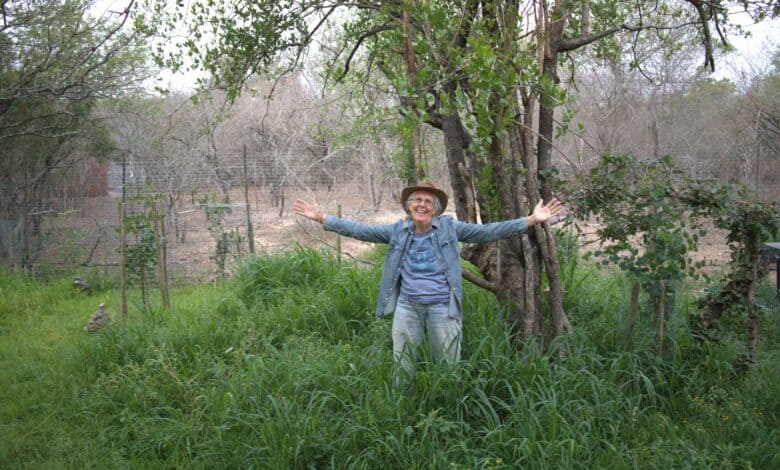
“We should all become grass farmers,” explained Annette du Toit over a warm slice of freshly baked milk tart.
This as giraffes, bushbucks, kudus and impalas take turns to graze on her property where patches of land have been transformed into thriving habitats for wildlife and birds.
Marloth Park has in recent months been in the media spotlight due to reports of wild animals starving to death in droves, apparently as a result of overpopulation triggered by a blanket interdict to prohibit culling. The interdict was granted to the Marloth Park Ratepayers Association under the chairpersonship of Cindy Benson.
ALSO READ: Marloth Park game must be culled – NSPCA
Lowvelder previously reported that more than 300 animals either died or had to be shot by rangers in recent months. Information shared on the Marloth Park WhatsApp group, ‘Reporting of sick, injured and dead animals’, suggested 68 animals had died in July alone. Of these, 49 are said to have died of starvation.
Later reports followed of severe muscle wasting on an impala carcase caused by the onset of oedema cachexia as a direct result of long-term malnutrition.
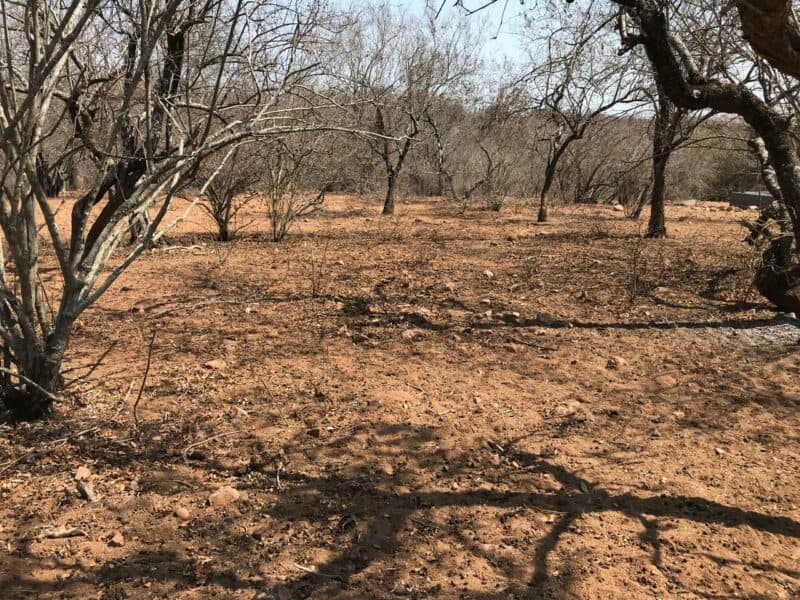
Du Toit moved from Johannesburg to this wildlife reserve bordering the Kruger National Park last December and was struck by the lack of grazing. “If there is no grazing, there are no grazers, and then everything else collapses,” she said.
Rather than joining the bellyachers, Du Toit took inspiration from what a local artist, named Leofold Ndemera, whom she had hired to fix a few cracked pots, said and started experimenting with planting grasses suited to Marloth. The idea is not to cultivate lawns, but to restore overgrazed and depleted feeding grasslands for the wildlife here.
ALSO READ: Marloth Park’s animal culling causes strong differences of opinion
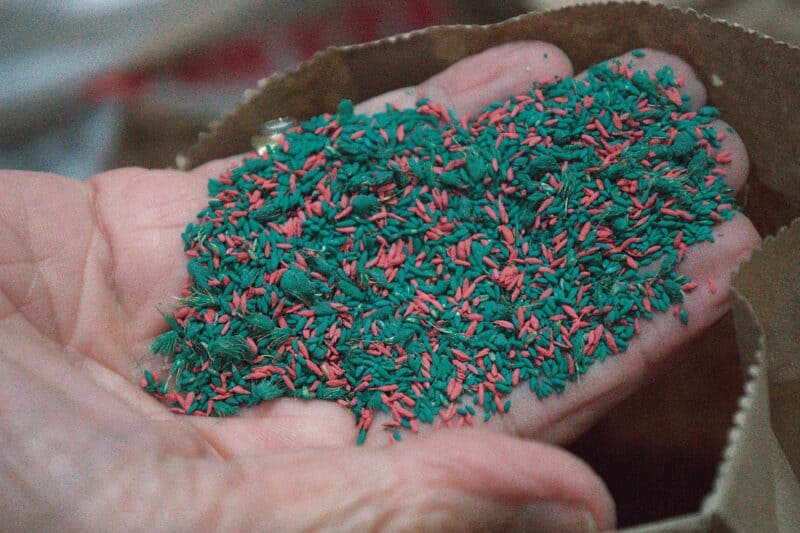
Not knowing what to expect, Du Toit and her business partner, Linda Weech, first planted Swazi grass slips in small fenced-off areas. Then they started experimenting with adding wild grass seed especially formulated by the Marloth Park Honorary Rangers.
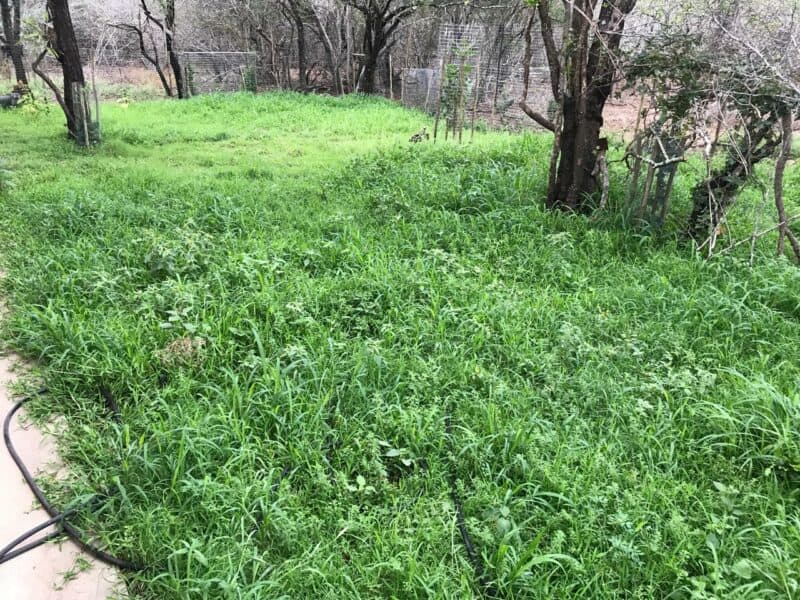
Adding compost and super phosphate to feed the soil, a bit of water as well as temporary fencing to protect the growing grass from animals, the results have so far been phenomenal.
Through a series of experiments that started around late June, barren patches of dusty land have been transformed into ones of flourishing mixed grasses – in some places growing knee-high.
While one patch is being grazed, another quietly grows in the background. Later, when it is time for the first patch to rest and regrow, the fences around the second are lowered.
At nearly 80, Du Toit’s vibrant energy and enthusiasm make her appear at least two decades younger. Bubbling with fresh ideas, she showed Lowvelder other projects she is tinkering with in the background, including the propagating of various plants such as trees and shrubs.
While the grass project is still in its infancy, Du Toit and Weech already have 12 takers in Marloth Park – some local residents and others overseas homeowners who need assistance looking after their grasslands.