Earth Hour lightens the load
This year showed a marked increase in South African cities partaking in Earth Hour 2016. The theme was : Shine a Light on Climate Action.
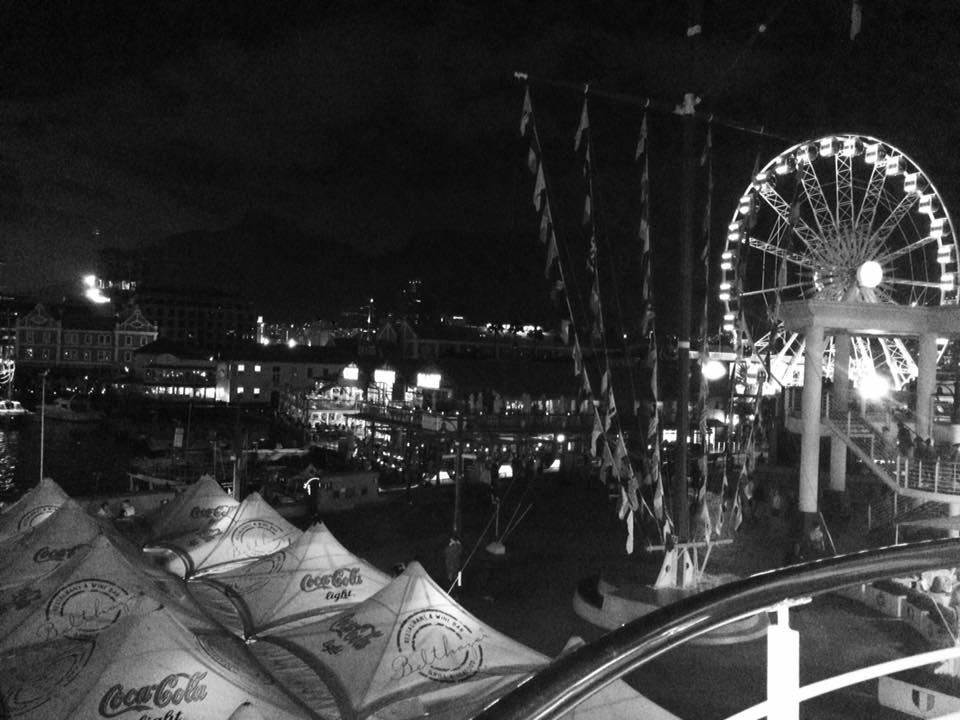
On Saturday 19 March 2016, lights were switched off all across the earth for an hour, starting in Australia and then it swept across the globe. South Africans joined billions of people across the globe in this annual initiative to create climate change awareness.
This marked the global phenomenon called Earth Hour, whereby cities, businesses and households across the world switched off their lights between 8:30 and 9:30 pm, local time.
As Leonardo Di Caprio said in his 2016 Oscar acceptance speech: “Climate change is real. We need to work together and stop procrastinating.”
From Sydney’s Opera House to New York’s Empire State Building and Paris’ Eiffel Tower, landmarks worldwide dimmed their lights Saturday for the Earth Hour campaign.
South Africans saved 515 MW during Earth Hour on Saturday night, Eskom said today.
This was the 10th year that the Earth Hour campaign was celebrated.
Mr Bongani Khoza, duty manager at the Town Lodge Mbombela, said that the hotel participated in Earth Hour by switching of their lights on Saturday evening and created a fairy-tale atmosphere around the pools for guests to enjoy the hour by putting out candles.
“It is a nice experience for ourselves and our guests to annually become part of this promotion to create green awareness. We hope to add to the campaign in this way.”
Earth Hour was started in 2007 by WWF in Sydney Australia.
It has grown into the world’s largest environmental awareness initiative, attracting participation from over 41 910 cities and towns across 172 countries on seven continents, including around 10 400 landmarks.
The theme this year was: Shine a Light on Climate Action.
The spirit of Earth Hour is to help the global citizenry to focus on the things that can be done to deal with the climate change and the global warming problem.
Ricky Pott, WESSA Lowveld chairman, said that one school of thought, call it the denial school, feels that natural events such as volcanoes can have a major impact on climate change and that anything humans do pales into insignificance. The other school of thought, agrees that natural events can have major impacts, but human activities can add significantly to the production of CO2, other greenhouse gasses and CFC’s, which in turn impacts on the ozone layer.
“I belong to the second school and further believe that we are the first generation that can completely destroy our planet and the last generation that can bring about the changes that can save it. I believe that by working together, we can make a difference. We can collectively use less fuel, practice better fire management, change our eating habits, use water more wisely and recycle rubbish better. The WESSA Eco Schools Project takes these ideas into the classroom so that the future managers of this earth will at least have been introduced to improve management options.”
Brenda Archdeacon, spokesperson for WESSA Lowveld, commented: “If every individual made an effort to save our resources, it would all add up and make a huge difference. I think the Earth Hour initiative is a great way to remind people of this philosophy and create awareness.”
• Consumers will pay 9.4% more for electricity from April 1. All the more reason to have your own Earth Hour more than often!