Lefpa teams on high alert ahead of Lowveld fire season
Weather forecasts and shifting climate patterns are raising veldfire risks in the Lowveld, prompting Lefpa to stress early preparation ahead of the June fire season.
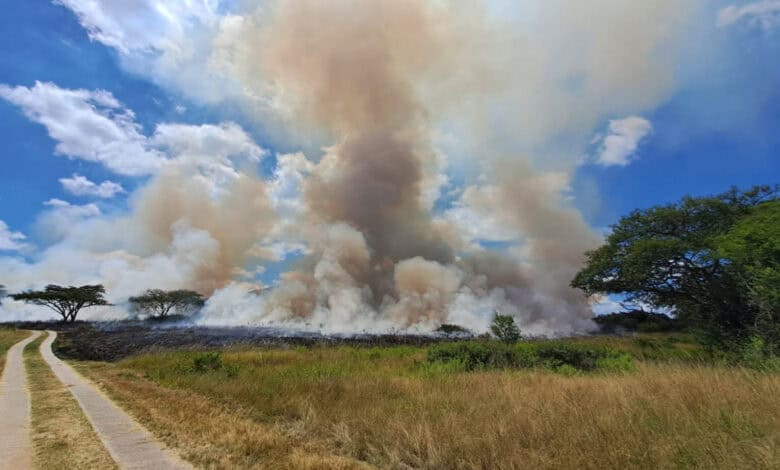
The Lowveld and Escarpment Fire Protection Association (Lefpa) has placed its teams on high alert from mid-May, ahead of the official fire season starting June 1.
Manager André Scheepers cautions that prevention is the only cure. “Burn now, or fight it later.”
Controlled burning and preparation are essential to reduce the risk of devastating veldfires. While late rains may have offered a brief reprieve, they should not be mistaken for hope. Instead, they provide a narrow window to complete fire belt maintenance and ensure all protective measures are in place.
Read: High fire risk prompts burn ban across Lowveld
Scheepers emphasises that everything must be ready before the dry season takes hold. This includes firebreaks, permits and community readiness. Delayed preparation could mean uncontrollable fires when conditions peak in August and September.
The South African Weather Service’s Seasonal Climate Watch (May to September) adds weight to this warning. The report notes that the El Niño-Southern Oscillation is expected to shift into an El Niño state by spring, which historically brings hotter, drier conditions to much of South Africa. Already, forecasts show that minimum and maximum temperatures will be above normal across most regions, accelerating the drying of vegetation and increasing fire danger.
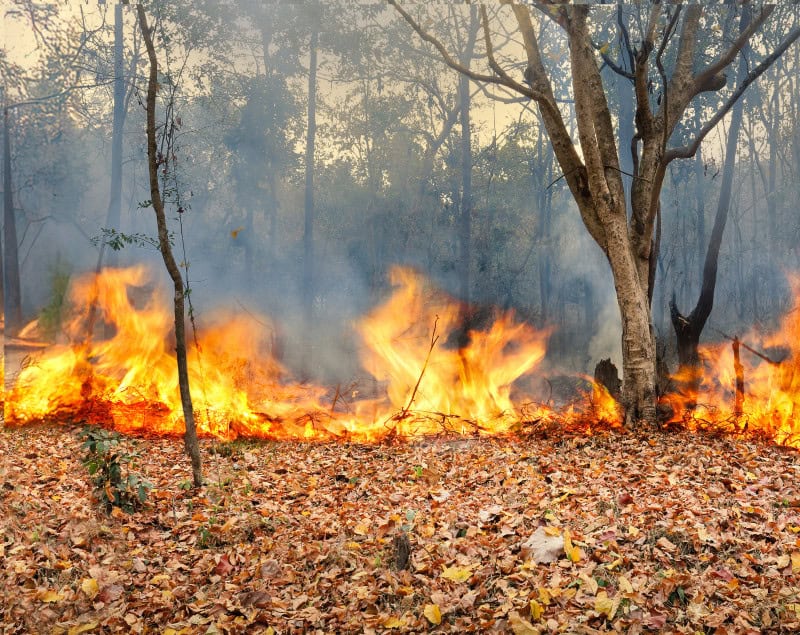
Weather patterns are unpredictable and present their own challenges:
• Eastern coastal areas are expected to receive above-normal rainfall, which may lead to flooding, waterlogging, and poor drainage. While this may ease water scarcity, it also raises risks of waterborne disease and infrastructure strain.
• South-western and southern coastal areas are forecast to receive below-normal rainfall, adding pressure to already water-scarce regions and increasing vulnerability to veldfires.
• For the Lowveld and interior, the combination of hotter-than-normal temperatures and reduced rainfall means veldfires are likely to intensify towards the end of winter, when vegetation is driest and winds strongest.
The implications are serious across all sectors. For agriculture, wetter conditions in the east may benefit crops and livestock, but drier conditions in the south-west could harm production. For health, hotter-than-normal temperatures raise risks of heat stress and UV exposure, while flooding in the east could compromise sanitation. For water and energy, uneven rainfall may boost dam levels in some regions but strain supply in others.
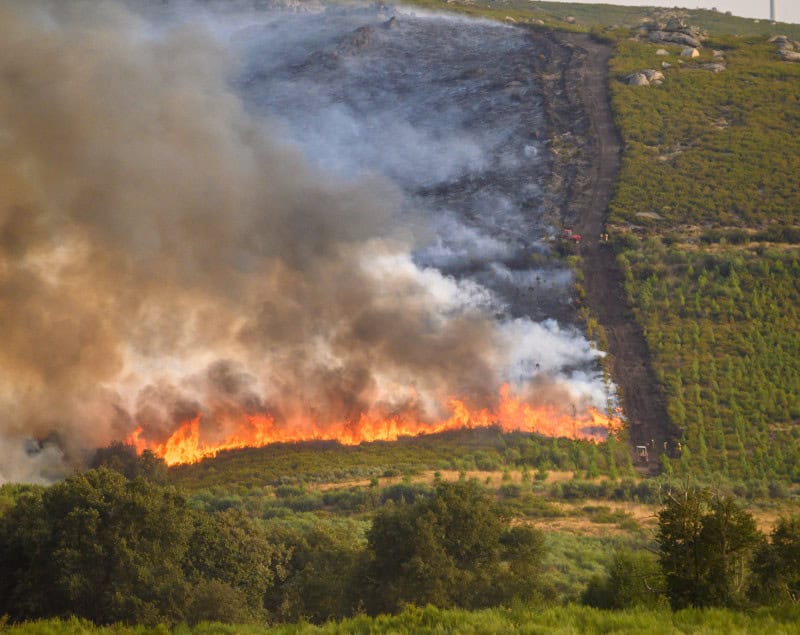
Against this backdrop, Lefpa’s message is clear: prevention is better than cure. Firebreaks must be cut, permits secured and communities mobilised before the season peaks. Scheepers warns that waiting until late winter is too late – by then, the combination of heat, wind and dry fuel will make fires far harder to contain.
Also read: FIRE UPDATE: White River and Hazyview fires contained
Lefpa also reminds residents that burning prohibitions apply from June 1 to October 31, under the National Veld and Forest Fire Act. Unauthorised burning can lead to fines of up to R5 000. Daily burning permits are available through Lefpa, and recommends that all burning operations be completed by August 1.
Make sure that your short term insurance is in place and you have sufficient financial cover for the spead of fire from your property to neighbouring properties.
For assistance or to report wildfires, contact Lefpa on 0860 663 473.