SAD leaves sufferers moody and sapped of energy
Seasonal Affective Disorder (SAD) is a type of depression related to the changing of the seasons and begins and ends around the same times every year.
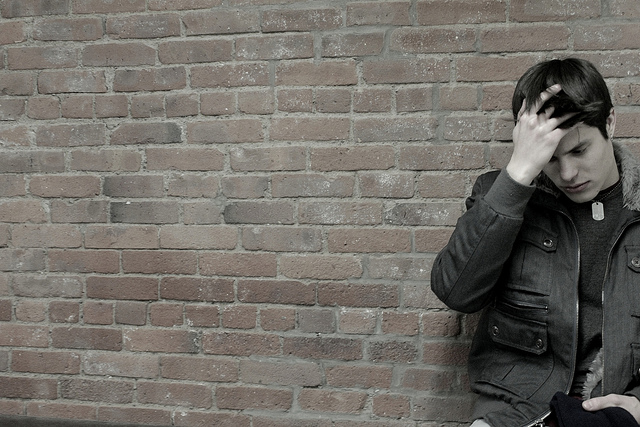
Seasonal changes in mood and behaviour manifest differently in each person, ranging from the winter blues many of experience to people suffering from Seasonal Affective Disorder (SAD), thought to be caused by a lack of light.
According to the South African Depression and Anxiety Group (SADAG), studies have shown that about 20% of the population is affected by fatigue, irritability, anxiety, weight gain and other symptoms during autumn and winter. About 75% of the people affected are women.
“The reason women are more vulnerable to the effects of the changing seasons is not well understood, but it may be hormonally related as it increases after puberty and decreases in the post-menopausal years,” the SADAG website said.
Read the SADAG article here: SAD: Beating the winter woes
According to mayoclinic.org, “if you’re like most people with SAD, your symptoms start in the fall and continue into the winter months, sapping your energy and making you feel moody. Less often, SAD causes depression in the spring or early summer”. The disorder is also referred to as winter depression, winter blues, summer depression, summertime sadness, or seasonal depression.
Also read: 10 Things You Didn’t Know About Seasonal Affective Disorder
According to the SADAG, the most common symptoms include:
– sadness – fatigue;
– lack of energy – increased sleep;
– difficulty in awakening – weight gain;
– decreased social activity – irritability;
– carbohydrate craving – apathy.
To diagnose this disorder, doctor’s must rely on a patient’s history. For many people with SAD, light therapy is the first go-to treatment as it has a high success rate and a high acceptance rate. Psychotherapy and medications can also be used to treat the disorder.
For more information, telephone counselling or referrals to mental health professionals for SAD, its diagnosis and treatment, or on other affective and anxiety disorders, the Depression and Anxiety Support Group can be contacted on 011-783-1474/6, on Monday to Friday between 08:00 and 19:00 and on Saturdays between 08:00 and 17:00.