Eco-interns show how bees can protect trees from elephants
Making a difference by communicating conservation issues on social platforms and teaching communities how to apply their knowledge as an asset to conservation and their own lifes is what it is all about for two interns at Youth for African Wildlife.
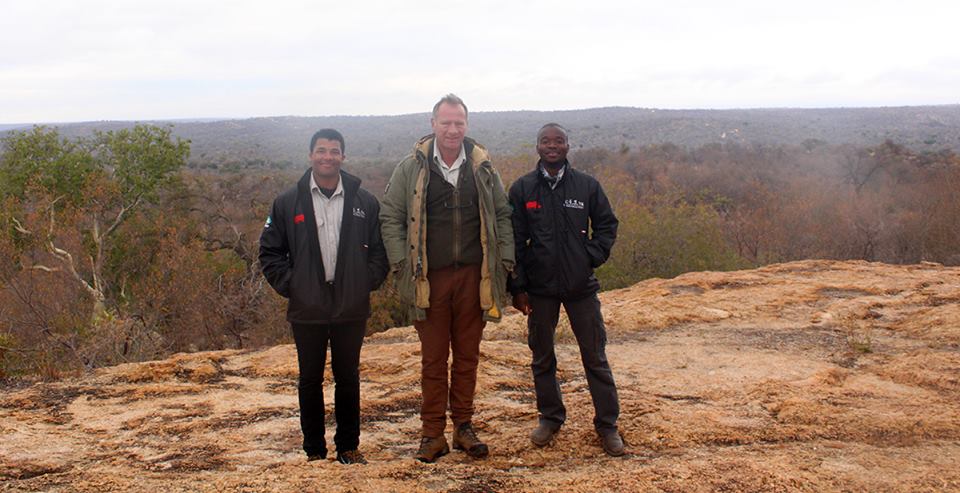
WHITE RIVER – Two interns with a passion for wildlife recently made a short documentary on how bees can be used to protect trees from being pushed over by elephants and how oxpeckers live in symbiosis with rhinos. Their main production will be an in-depth look at the authentic life of a ranger.
Fortunate Phaka from North-West University in Potchefstroom and Darian Hall from the University of Waterloo in Toronto, Canada, are the two 2016 Youth for African Wildlife (Y4AW) interns tasked since July to obtain footage that can be used to raise awareness and teach communities more about conservation.
Y4AW was started by Dex Kotze, a South African conservationist and businessman, out of concern for endangered wildlife. He recognised that the youth had the potential to bring about change.
Each year through Y4AW a few conservation-minded young adults are offered internships to do research, use social media, photography and film as well as to visit communities.
With this in mind the 2016 team was hosted at a school in the Limpopo-Lipadi Nature Reserve, the members visited the Black Mamba anti-poaching unit near Hoedspruit, spent time at Tsakane Safari Camp, and bonded with the sniffer dogs and their handlers in the Kruger National Park.
Phaka was raised in the rural parts of Limpopo. He has an undergraduate degree in environmental management and an honours in environmental sciences. He is currently Y4AW’s project leader, and is studying towards a master’s in environmental sciences.
Educating communities about applying what they know about the environment lies close to his heart. The team’s visit to Limpopo-Lipadi made this possible.
“Pupils have concepts of conservation covered in their school’s curricula. For the most part they cannot relate the concepts to their everyday lives. My aim is to help them make that connection,” explained Phaka. His academic research mainly focuses on South African amphibians. He would like to use this field of interest to make conservation something that people can relate to.
“If one person cares more about frogs, they will also care about rhinos and elephants.”
“Young people tend to be ignorant about science and as a scientist I would also like to address that,” said Phaka.
The youth spent time with Elephants Alive where they had to track elephants and collect samples of dung for DNA and stress-hormone analysis. These visits were a life-changing experience for outdoors enthusiast, Hall. In Canada having classes on conservation outside is not often that possible.
“Here in nature you get a vast and dynamic classroom, plus an endless number of topics to discuss,” he said.
Hall studies environmental sciences and he has developed a passion for ecology and conservation work.
“It is important to me to teach the youth how the environment works. In Canada it is not a real idea still that we must make our knowledge about the environment tangible so that we can apply it. I want to educate myself to do just that so we can focus on our challenges around deforestation and the protection of wolves and bears,” he said.