Drilling for justice: Five facts about rhino horn and rhino DNA
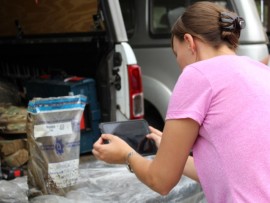
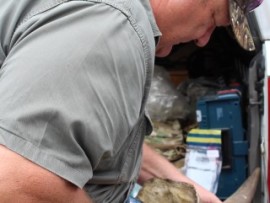
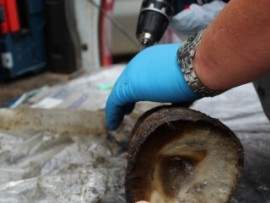
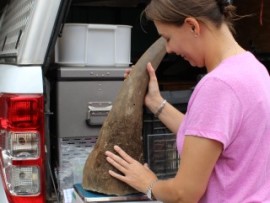
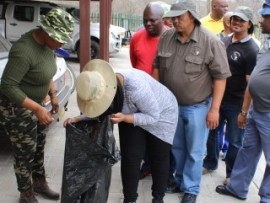
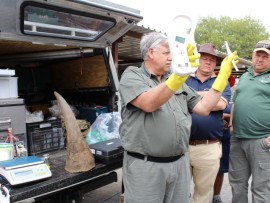
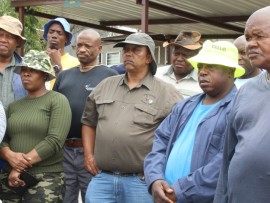
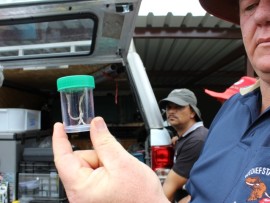
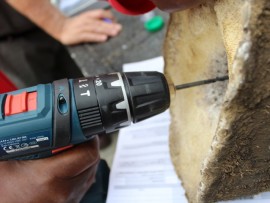
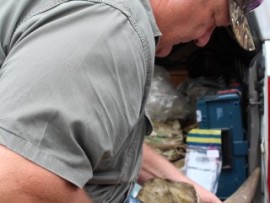
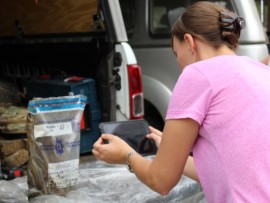
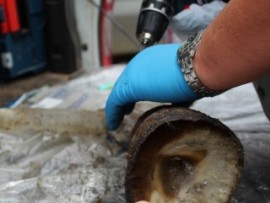
The art of drilling a rhino horn to extract DNA to put poachers behind bars was recently taught at a SAPS and RhODIS training session in the Kruger National Park. It was a learning curve for most.
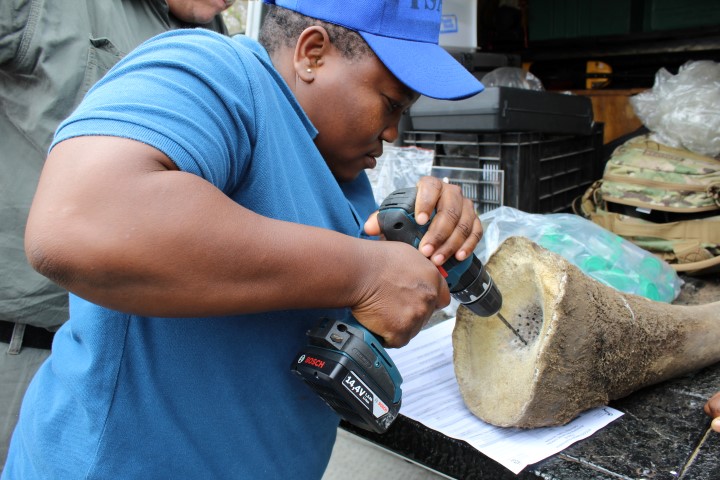
SKUKUZA- Forensic testing is taking up a position at the forefront of the war against poaching. Yet, the scientists applying cutting-edge technology to fight illegal trade in rhino-horn are not found in state of the art offices and laboratories as seen on television.
This week Lowvelder reveals exclusively in print after a SAPS training session how science via the forensic teams of RhODIS, SANParks and SAPS are at the heart of the process to trace and match a confiscated rhino horn to a rhino carcass that has been poached.
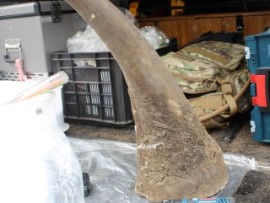
A rhino horn confiscated in Vietnam or China can thus be linked back to a crime scene in the Kruger National Park.
But what do we know about rhino horn and rhino DNA?
1. The best DNA for forensic testing can be found in the center of the horn. Studies have revealed that these centers have dense mineral deposits of calcium and melanin.

2. Coarse salt is the preserving agent for a rhino horn that has been poached.

3. Less than 0,1 mg of horn is needed to provide the data necessary for DNA profiling

4. Unlike the horns of most animals, rhino horns are keratin all the way. The keratin will vary depending on a rhino’s diet and geographic location.

5. Recent studies by researchers at Ohio University using computerized tomography (CT) scans, have shown that the horns are similar in physiological structure to horses’ hooves (Source: www.pbs.org)

• Read more about how SAPS recently trained 25 police members to use forensics to put poachers behind bars in this week’s Lowvelder on page 3.