
United by the undeniable love for vintage cars
It takes an art lover to be fond of the rare hand made objects known as vintage cars
“Integrity is the single most important aspect of buying a classic car,” said Brian Bruce, a qualified civil engineer and custodian of one of the major classic car collections in the Southern Cape.
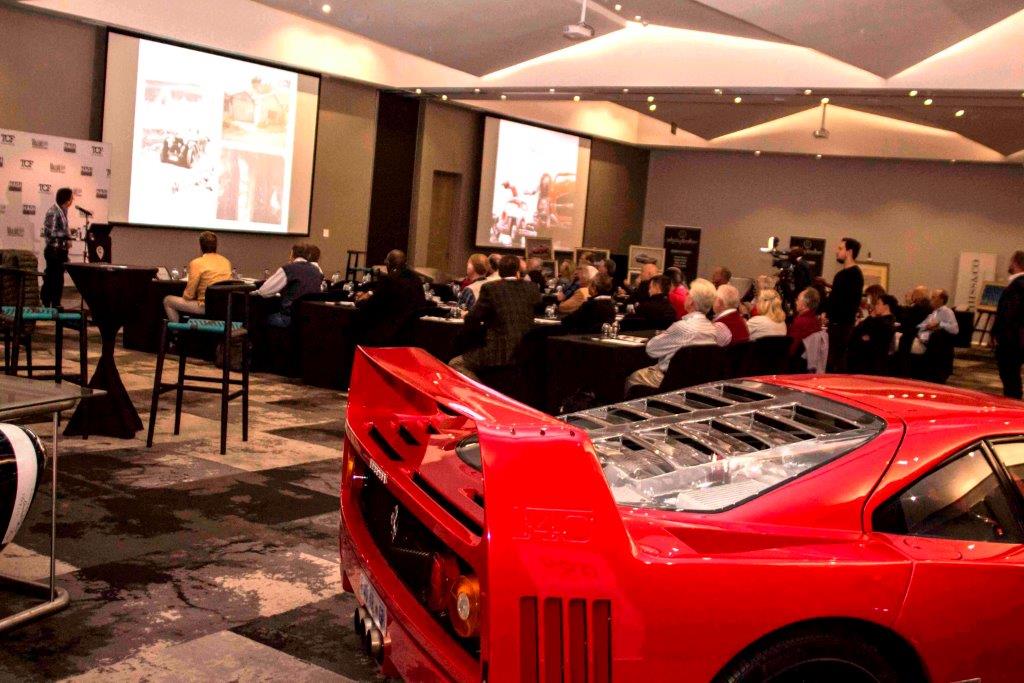
Speaking at the recent HAGI VCCM Conference at The Capital On The Park hotel in Sandton, Bruce was a keynote speaker at this second annual event, which drew classic car collectors from all around the country.
“Classic or vintage cars can generally be described as artefacts; rare objects from the past that are handmade. And in the acquisition of these artefacts, the process we follow needs to be rigorous.”
As an example of the type of (automotive) integrity he is after, Bruce cites the case of one of his favourite cars, a 1934 Jensen Ford prototype, one of three ever produced and one of only two that exist today.
“This car has total integrity. Everything about the car is correct. It came with all its original correspondence, invoices, documentation, and even advertising material from 1935, when the production Jensen Ford was produced.
The car was bought by a man for his 18-year-old daughter, and since then it passed through three generations of daughters of the same family. The last custodian passed it on to her uncle, and when maintenance of the car became a problem, he contacted a mechanic who had last worked on the car in 1966.
This man was an acquaintance of mine, which was how I ended up travelling to Hoedspruit to acquire the car after an equitable deal was made. “This car for me defines the concept of integrity, as regards to old motor cars.
It is not in concourse condition, but it is mechanically exceptional and original. Once a car has been modified, you cannot reinstall integrity back into a car.”
He explained that he was always leery of buying a car that was purportedly “restored”, revealing that two close associates had extensive restorations on their classic British sports cars undertaken, and were then forced to have all the work redone after the initial poor restorations totaled in excess of R1 million.
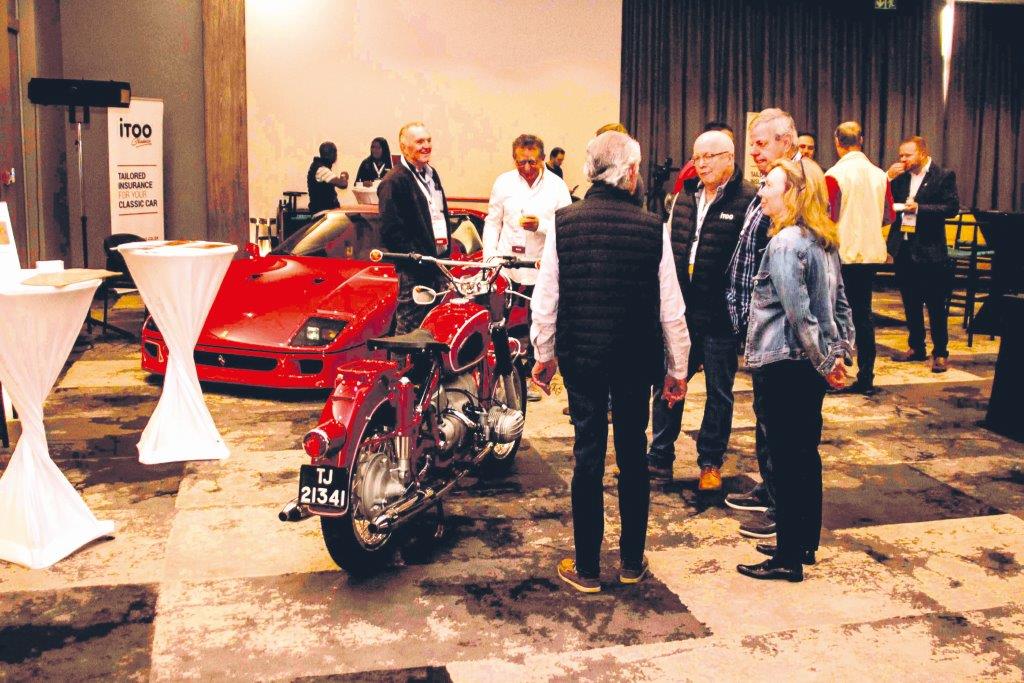
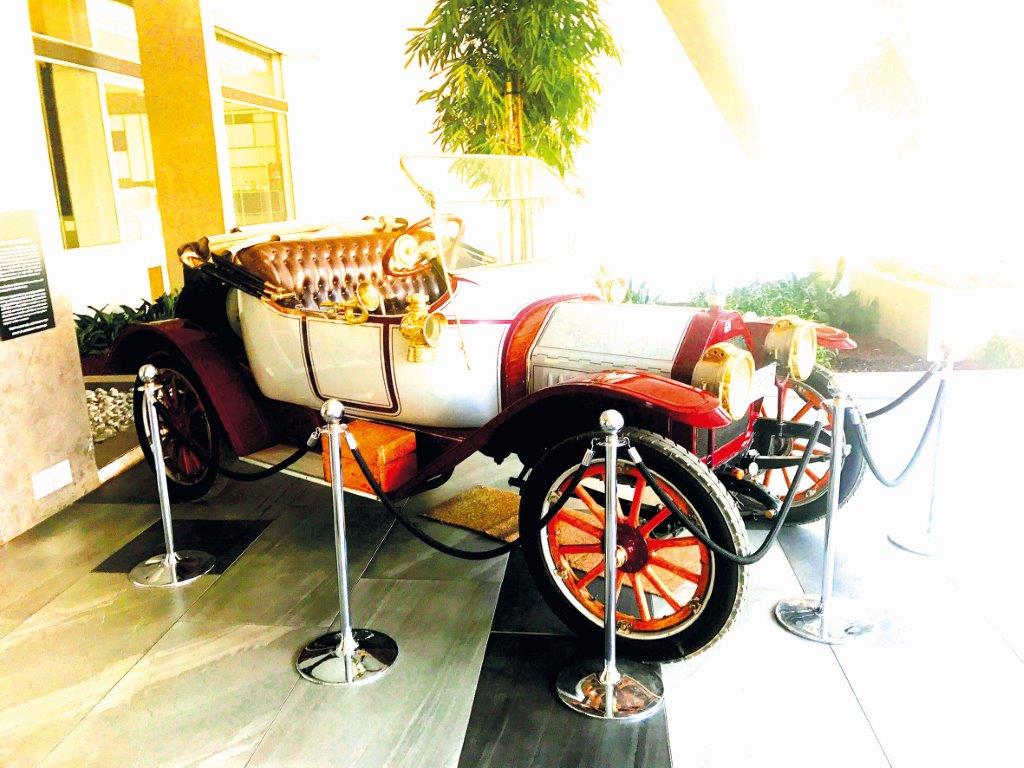
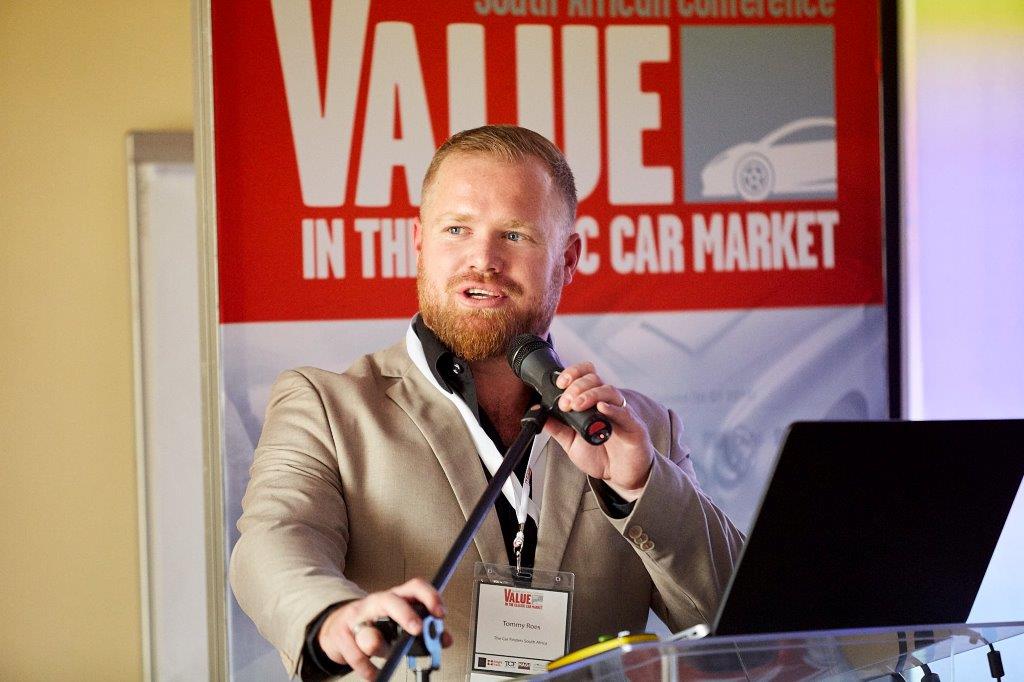
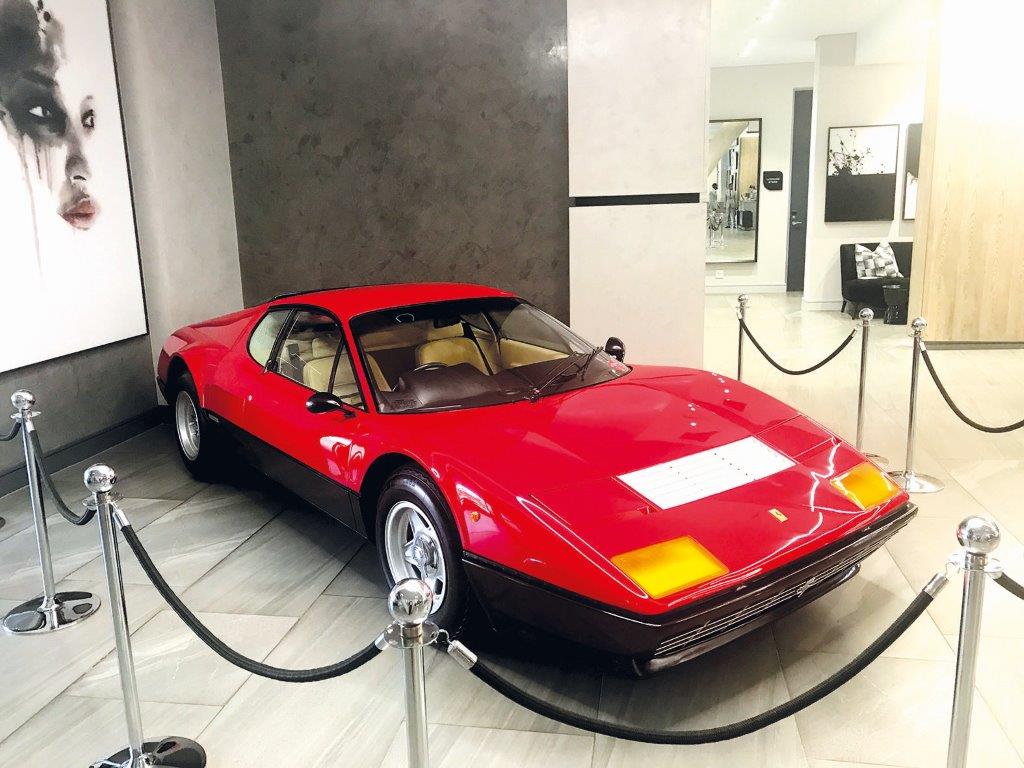
Bruce refers to the oft-repeated saying in classic car circles; “that we are mere custodians of these artefacts.” But he United by the indefinable allure of classical cars A very collectable Porsche 356 Speedster. Ferrari Berlinetta Boxer. Delegates take a break at the well-attended VCCM conference in Sandton. Tommy Roes.
A 1913 Buick. pointed out that in a changing world, enthusiasts would have to accept that certain classics would inevitably be modified and updated with modern mechanical elements. “We refer to this process as repurposing, and it is gaining increasing popularity in countries like America.
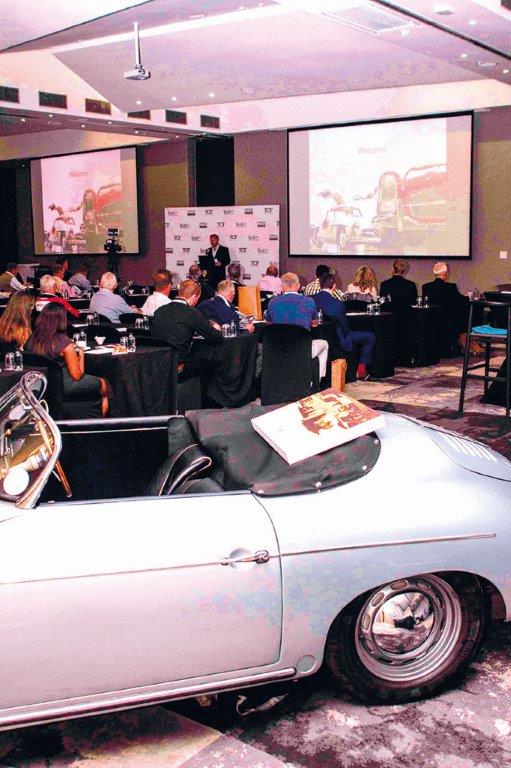
It enables younger people to drive a classic with all the design beauty of the original, but with the reliability of a modern car.” The focus of the conference was the economic benefits of owning a classic car as a valuable, fast-appreciating asset.
Organiser, Tommy Roes, however, emphasised a key focus of VCCM is value, and value drivers in the local context, which is a much broader conversation. “Attendees are bound by their love for old and collectable cars that goes far beyond mere monetary value.
We try to create a balance by addressing various aspects that influence value in a South African setting. Restoration, maintenance, storage, insurance, import/ export and related subjects all play a major role in the financial aspect, which cannot be ignored,” says Roes.
Classic Car Africa editor and publisher, Stuart Grant revealed that his monthly enthusiast publication tended to focus more on the human interest side of the classic car field.
“Interestingly,” said Grant, “despite the fact that we have had cover pictures ranging from American muscle cars to exotica like Dinos and Lamborghinis and Ferraris, the best-selling magazine to date featured a humble 1970 Renault Gordini, and attracted no less than 46 letters from readers; a record for a cover story.”
Paolo Cavalieri made an interesting case for classic racing cars as one of the best investments. “If you look at the highest values realised internationally at recent auctions, some 50 per cent of them are racing cars,” said Cavalieri.
“And the highest values were in fact returned by racing cars. So my question to delegates here today is this: why not consider a racing car as your next classic car investment?”
He also highlighted a racing Germanbuilt Zakspeed Ford Escort, which won the Kyalami 1000 km race in the mid-1970s, a replica of which was recently built in South Africa by the Piazza-Musso family and made its debut at the recent Goodwood Festival of Speed. Gordon Massie is the managing director of ITOO Artinsure.
A key theme of his address was the subject of “synaesthesia” – the almost intangible sensory attraction of collectable assets – and how this should be addressed when it comes to insuring such assets.
And, also, how the insurer should address such issues, as well as the appreciating nature of rare, collectable motorcars. A fascinating pictorial journey through South African motor racing history was also presented by Malcolm Sampson, a renowned photographer who covered motor racing for The Star and Rand Daily Mail in the 1970s and 1980s.