Honouring war dead was legendary Lowvelder’s idea
On Sunday at 11:00 it will be 100 years since the guns of World War I fell silent
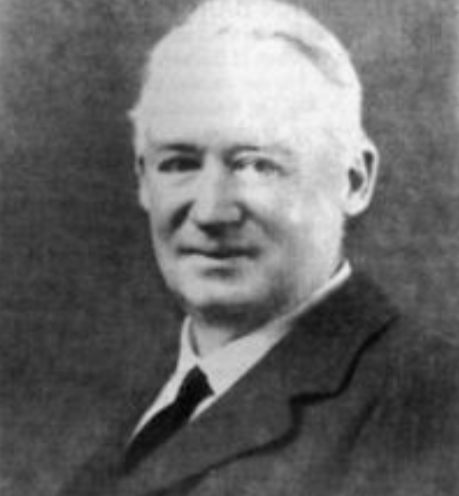
Armistice Day was established thanks to a suggestion by a famous Lowvelder.
Ninety nine years ago, almost to the day, King George V received a letter from former transport rider and world-famous author, Sir Percy Fitzpatrick suggesting the honouring of two minutes’ silence on November 11 for those who died in World War I.
Fitzpatrick had been so impressed by the period of silence kept in his local church in Cape Town after the horrific loss of life at Delville Wood became known and the casualty lists had been read out. He had a personal interest in the daily remembrance as his son, Maj Percy Nugent Fitzpatrick, commander of 71st Siege Battery, was killed on December 14, 1917, by a chance shell fired from long range.
https://www.citizen.co.za/lowvelder/458657/treaty-brings-end-bloodiest-war-history/
Sir Percy was deeply affected by the loss of his eldest son.
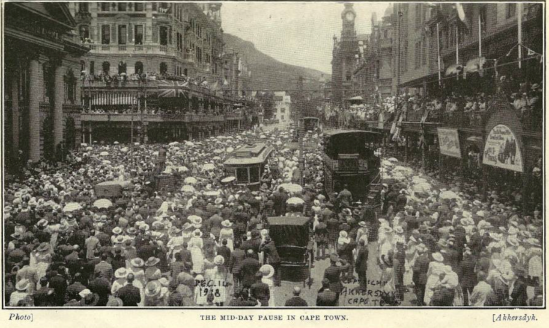
He was also moved by the dignity and effectiveness of an impromptu two-minute pause by citizens of Cape Town, who stood dead still and silent every day when the Noon Gun was fired during World War I.
Sir Percy then wrote to Lord Milner and described the silence that fell on the city during this daily ritual.
Taking into consideration that the guns of war finally fell silent at 11:00 on the 11th day of the 11th month, Sir Percy felt that the idea of observing the two-minute silence at that time and on that date, would give the act of homage great impact, and proposed that this became an official part of the annual service on Armistice Day.
Sir Percy’s proposal stated:
It is due to the women, who have lost and suffered and borne so much, with whom the thought is ever present. It is due to the children that they know to whom they owe their dear fought freedom. It is due to the men, and from them, as men. But far and away, above all else, it is due to those who gave their all, sought no recompense, and with whom we can never repay – our glorious and immortal dead.
Sir Percy’s letter was received by Lord Milner on November 4, 1919, reviewed and accepted by the War Cabinet on November 5, and was immediately approved by King George V.
https://www.citizen.co.za/lowvelder/458672/fascinating-facts-armistice/
On November 7, 1919, the king proclaimed by decree: “Tuesday next, November 11, is the first anniversary of the Armistice, which stayed the worldwide carnage of the four preceding years and the victory of right and freedom. I believe that my people in every part of the Empire fervently wish to perpetuate the meaning of the great deliverance, and of those who laid down their lives to achieve it. To afford an opportunity for the universal expression of their feeling, it is my desire and hope that at the hour when the Armistice comes into force, the 11th hour of the 11th day of the 11th month, there may be for a brief space of two minutes, a complete suspension of all our normal activities… so that in perfect stillness, the thoughts of everyone may be concentrated on reverent remembrance of the glorious dead.”
Sir Percy, when he heard the news that his suggestion had reached the King stated, “I was so stunned by the news that I could not leave the hotel. An hour or two afterwards I received a cable from Lord Long of Wexhall: ‘Thank you. Walter Long.’ Only then did I know that my proposal had reached the King and had been accepted and that the cabinet knew the source.”
Later, Sir Percy was thanked for his suggestion of the two-minute silence by Lord Stamfordham, the King’s private secretary who wrote: Dear Sir Percy, the king desires me to assure you that he ever gratefully remembers that the idea of the Two Minute Pause on Armistice Day was due to your initiation, a suggestion readily adopted and carried out with heartfelt sympathy throughout the Empire.
Signed – Stamfordham
Source: samilhistory.com