R49 million for bulk infrastructure of Mpumalanga parliamentary village
Construction is under way and the estimated amount for the entire construction is R300 million.
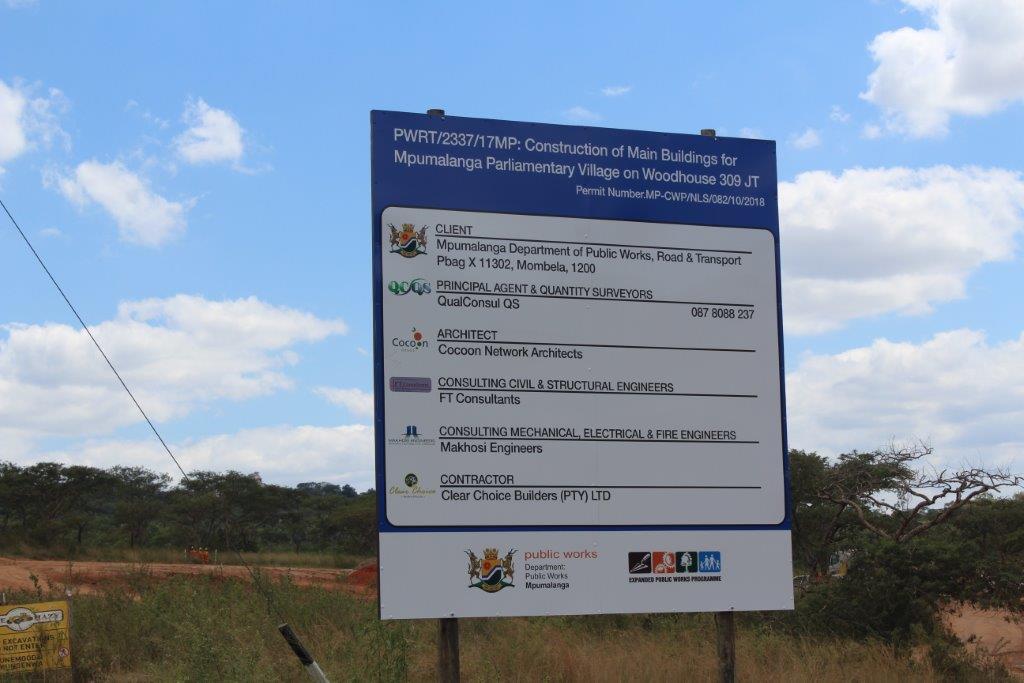
MEC for finance, Sikhumbuzo Eric Kholwane says R49 million has been allocated for the bulk infrastructure of the Mpumalanga parliamentary village at Woodhouse 309JT on the Kaapsehoop road.
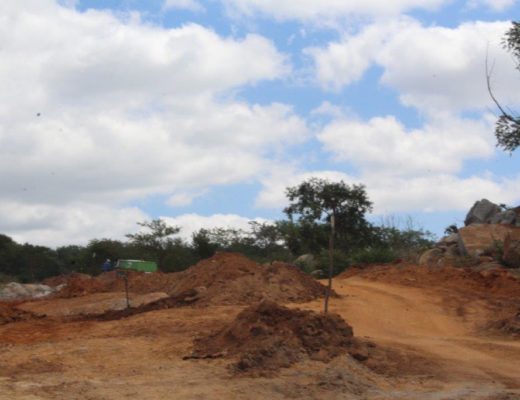
During his recent budget speech the MEC said, “The area in which we are constructing has no water supply and there is also a separate budget by the Department of Public We did not want to complete the parliamentary village then wait for the municipality.
We could have finished. Then we do not have water and it would result in fruitless expenditure,” he explained.
ALSO READ:MEC says board suspended MEGA CEO illegally
Public works spokesman, Mxolisi Cyril Dlamini said the estimated time of completion is April 2020 and construction was started in November 2017.
“It will be done through the following phases: phase one – perimeter fence and security installations, phase two – internal bulk infrastructure and earthworks, and phase three – main building construction,” he said.
The project is currently in phase one and two, as the two phases are running concurrently.
Dlamini said there were delays in the project, with the process of getting approval from the City of Mbombela Local Municipality (CMLM) and community unrest.
ALSO READ:Threats stops construction at Fresh Produce Market
“The delays affected phase one of the project and now it is estimated to be completed in June 2019. Phase two is on schedule, and we started in May 2018.
“We had to wait for approval. Initially Maggiesdal, the municipality project located on the R40 towards Barberton, was to be used for construction but that was abandoned. After all the processes were done we then started with construction on site,” he explained.
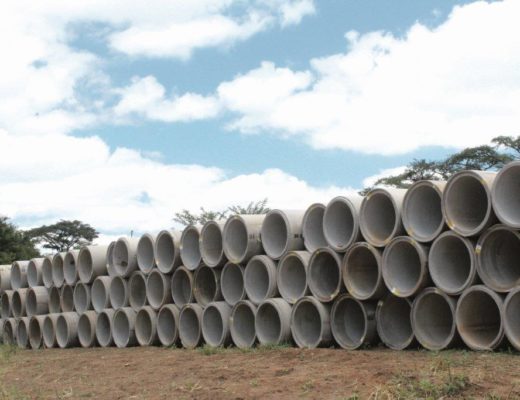
Kholwane announced during his budget speech for 2016/17 that a parliamentary village is to be constructed for members of the legislature. The provincial government said the village aims to save costs in the long run for members of the Mpumalanga legislature.
Spokesman for CMLM, Joseph Ngala had previously told Lowvelder that the parliamentary village will be at a drastically reduced density of less than one dwelling unit per hectare.
This reduced density will therefore be suitable, based on the guidelines of the spatial development framework combined with the reduced environmental footprint of the envisaged village