Five reasons why you should join the #readbecause campaign
In celebration of World Book Day, Corridor Gazette, Caxton and organisations across South Africa will be sharing their #readbecause stories on social media to promote reading for leisure among children and adults. Here are five reasons why reading is so important.
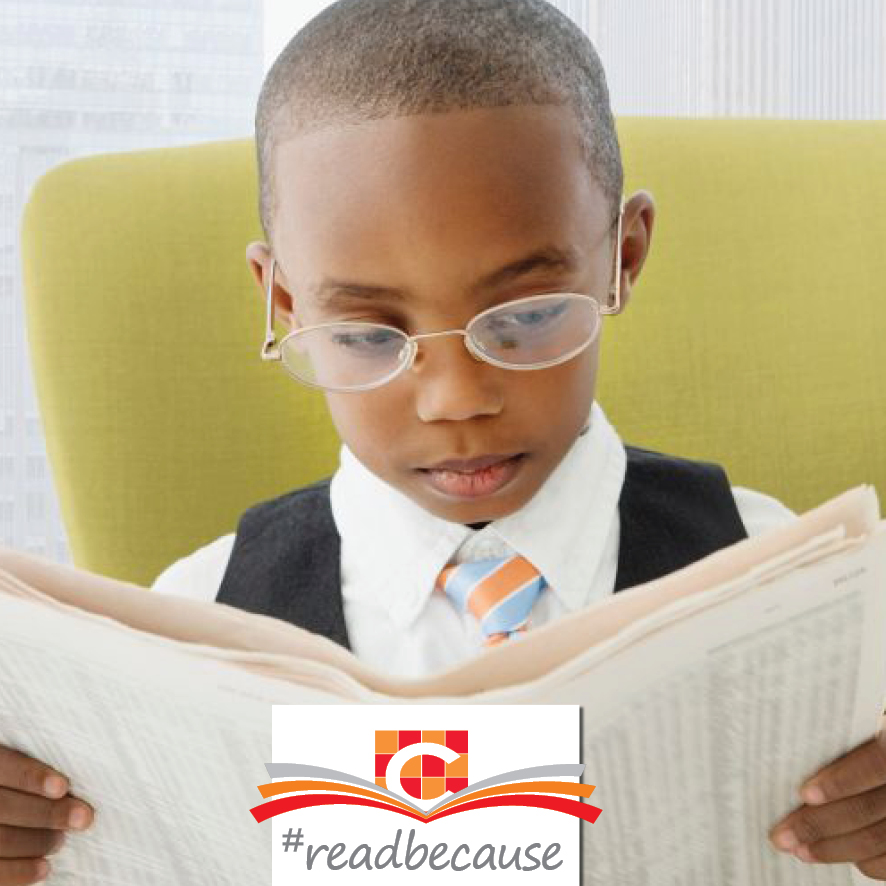
In response to the growing problem of children not being able to properly read, even late into their school career, the South African Book Development Council (SABDC) and organisations across South Africa will be taking to social media at 12:00 today on World Book Day to promote #readbecause.
Organisations such as FunDza Literacy Trust, Nal’ibali, the National Library of South Africa, Van Schaik Bookstores and the various editors and journalists of Caxton CTP will be posting their stories on why they read and the importance of reading on Twitter, Instagram and Facebook.
According to the most recent statistics, 78 per cent of Grade 4 learners are unable to read for comprehension in any language.
In a press release, the SABDC explained that the national campaign was launched after the various organisations realised that a collaborative approach was needed to increase the culture of reading for leisure in South Africa.
The organisations are still conducting their own programmes to promote reading but the campaign hopes to use public platforms like social media, libraries and reading clubs to show to reading can help you grow and achieve success.
Here are five reasons why you should read more and encourage your children to read for fun:
- Reading helps you expand your vocabulary
You can learn new words by reading books in a range of topics. This will not only help you in conversation but also on spelling tests and can even earn you a few more points in your essays or, in the case of adults, reports and presentations.
- The more you read, the more you learn
According to research, people who read for fun (even romance novels) have a bigger general knowledge than those who do not. If you love fiction, those books can help you deal with emotional and relationship problems, while non-fiction books give you information on history, learning new hobbies, dealing with addiction or improving your finances.
- Feed your imagination
Reading about the adventures of others, learning more about topics like history or art, sparks the imagination and helps to develop abstract thought. This is what helps children come up with new games, drawing without prompting from adults and can even lead them to discover and develop new inventions and innovations later in their lives.
- It’s good for your health
Research has shown that people who read for pleasure regularly have lower levels of stress and depression and it can reduce the risk of dementia later in life. Reading a book can help you escape to somewhere far from your current troubles and gives you something interesting to discuss with others.
- Improve your memory and focus
Because you have to learn about a variety of characters, how they fit into the story and interact when you read, it improves your memory. The more you read, the more pathways are created and strengthened in your brain and the better your short-term memory is. Your focus is also improved as you have to concentrate on the story, instead of trying to check your email, keep up a conversation and the dozens of other things people usually try to do at once during the day.
Share why you love reading, your interesting book stories and even recommendations on social media and add #readbecause.