All creatures, great and small, their passion
Wildlife experts Christina Carrieres, from BC SPCA Wild Animal Rehabilitation Centre (ARC) in Canada and Wendy Brodie, from Friends of Free Wildlife in Gauteng, shared their experiences of the industry during a visit to Wild and Free Rehabilitation Centre over the past weekend.
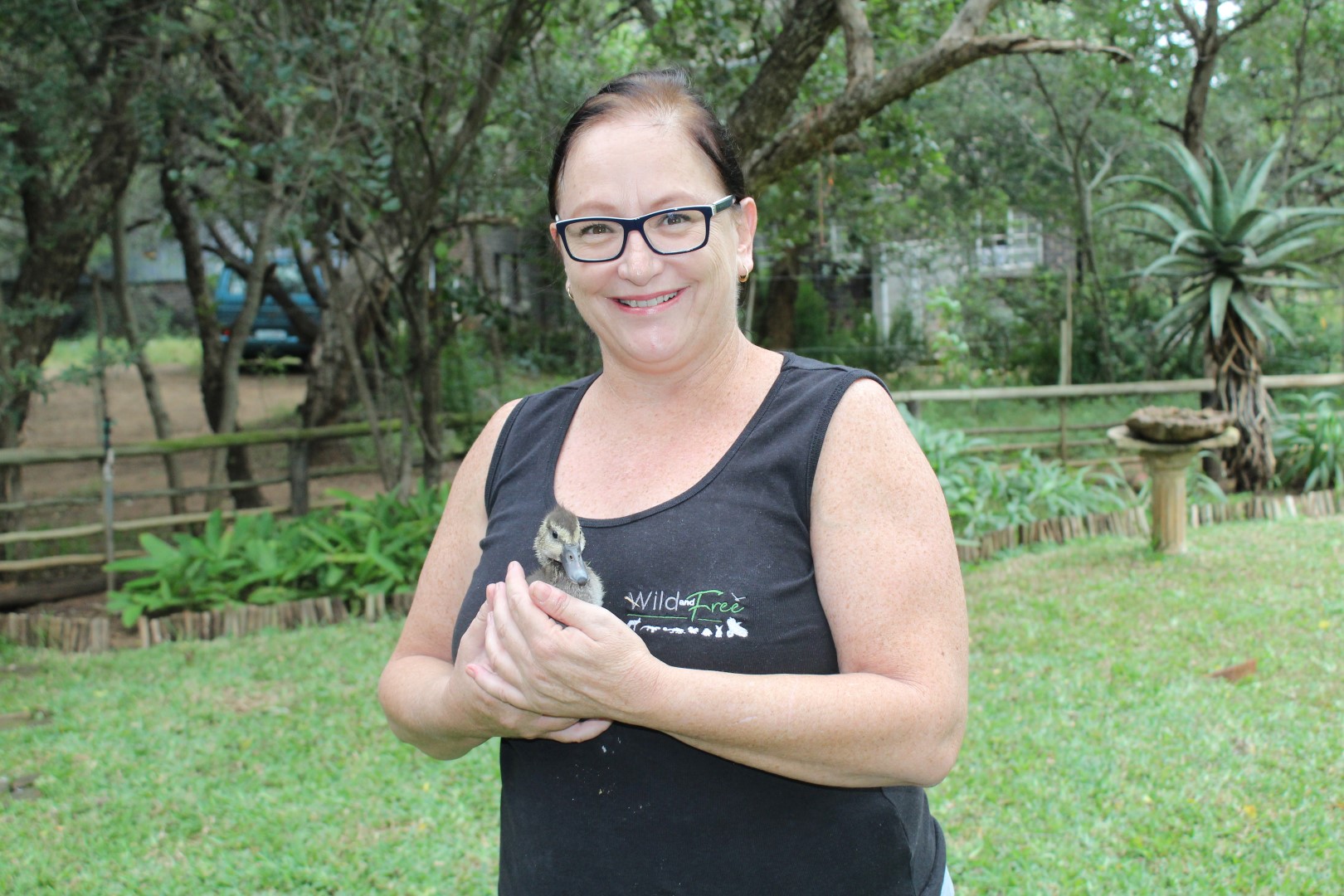
HECTORSPRUIT – Wildlife rehabilitation may look glamourous and all about cuddling gorgeous animals, but in reality it is a thankless job that requires an iron stomach and heaps of dedication. And the right permits, of course.
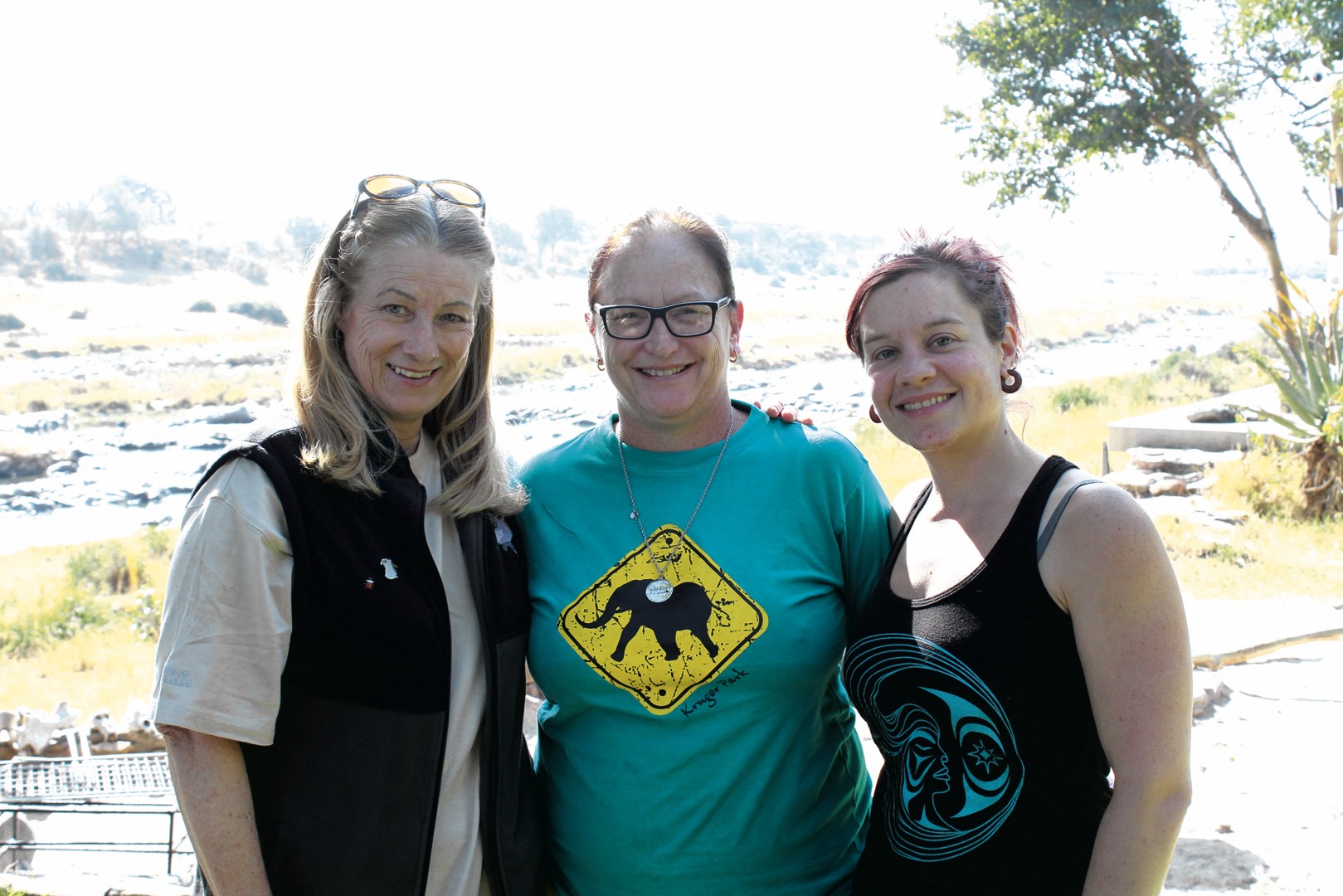
Wildlife experts Christina Carrieres, from BC SPCA Wild Animal Rehabilitation Centre (ARC) in Canada and Wendy Brodie, from Friends of Free Wildlife in Gauteng, shared their experiences of the industry during a visit to Wild and Free Rehabilitation Centre over the past weekend.
Two SA schools send their brightest minds to the global Technology Challenge
Carrieres, who is a certified wildlife rehabilitator with more than 15 years’ experience in the field, presented basic and advanced wildlife rehabilitation courses to a handful of dedicated animal lovers.
She said wildlife rehabilitation in the various parts of the world is quite similar.
The majority of cases are usually due to human action. Many areas face the same kinds of issues, such as animals injured by snares, domestic animals, pollution, vehicles crashing into animals, encroaching of habitat or even cultural practices.
How it is dealt with depends on the needs of the animal, the area and environment. Through sharing experiences, research and other resources, people in the industry can find the best way to treat each animal.
Because the aim of wildlife rehabilitation is to get the animal back into the wild and ensure it can survive there, human contact needs to be limited. Thus, contrary to public perception, rehabilitation requires long hours of observing the animal, ensuring their enclosures are a good fit, feeding them and cleaning up after them.
Mine closure could lead to thousands of job losses
“Cuddling is a death sentence, because that means the animal becomes dependent on a human and will not be able to fend for itself in the wild,” Brodie explained.
Carrieres started out as an unpaid intern at Wild ARC but her passion and determination landed her a full-time, and later senior, job.
She explained that you need to be truly dedicated to be part of the industry, as it is a mostly thankless job. And one that is underfunded, which means they constantly need to ask for donations and assistance to keep doing their essential work.
“Education is key, and it is very rewarding after I have presented the courses to know that I have helped animals indirectly,” Carrieres said with a smile.
Carrieres and Brodie explained that wildlife rehabilitation cannot be done without also dealing with the social issues in the various areas.
“Wildlife rehabilitation keeps you humble and teaches you to you do not need to do it all on your own,” they agreed.