Batteries in electric vehicles can be put to more use
Electric vehicles (EVs) have the potential to significantly enrich people's lives in a world of zero emissions.
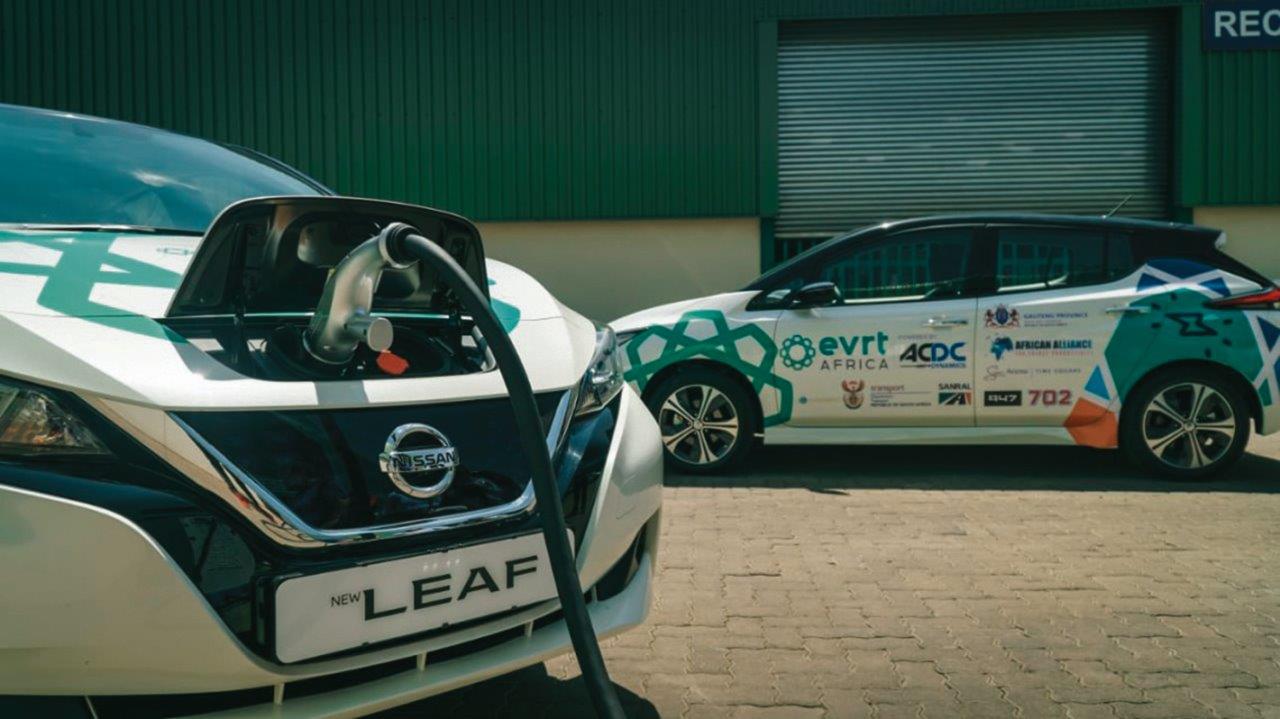
Kabelo Rabotho, marketing director, Nissan South Africa, said, “One hundred EVs with zero emissions and intelligent energy integration capabilities could power an entire building. We can now also recycle our batteries and give them a second lease on life as energy stores for electric vehicles, homes, offices, businesses and even remote villages with a smart grid.
This is already taking place here, in South Africa, where ‘second-life’ Leaf batteries, together with solar panels, are being used to generate sustainable power for learners at Filadelfia Secondary School, in Soshanguve.”
With EVs as mobile energy hubs, South African cities could become greener, more integrated living spaces.
An EV is, essentially, a large electricity storage device and while the battery takes from the grid when it is charging, there exists the potential to feed some of that energy back into the grid when demand is high and advances in technology – such as Nissan’s newly launched e-Power, which is a motor- driven vehicle like the zero-emission Leaf, but with an internal engine to recharge the battery constantly – already allowing power stored in EVs to be used in a range of home and commercial applications.
Electric vehicle purchase incentives and sales tax incentives are primary focus areas for many European countries, including Norway.
ALSO READ: Racers juggle speed with limited battery power
The small Nordic nation has been dubbed “the poster child of the EV revolution” and a recent Forbes article reported that nearly 60% of all new cars sold in Norway in March of this year were entirely electric-powered.
This as a result of the Norwegian government having invested heavily in financial incentives – for customers in Norway, it is now cheaper to buy an EV than to by a traditional internal combustion engine (ICE) vehicle – and in charging infrastructure.
Smart charging solutions include technologies to control when vehicles charge and how quickly they power up, as well as allow the two-way flow of electricity between vehicle and charger.
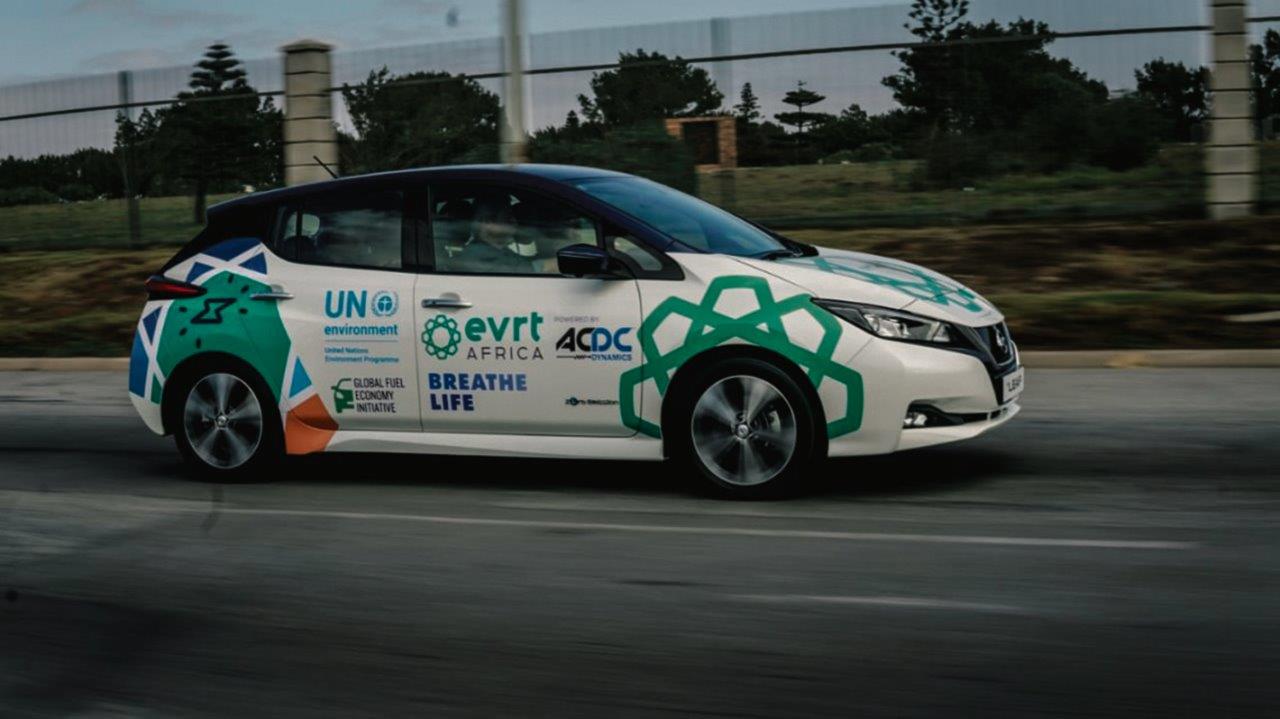
Thanks to V2G technologies, the energy accumulated in the batteries of electric vehicles can also be used for businesses’ own energy needs or the grid, when required.
The energy that is stored in an electric vehicle like the Nissan Leaf can be sold back to the grid by the customer, generating additional revenue to offset vehicle ownership costs.
The financial, environmental and societal benefits of V2G have made it a highly anticipated innovation in the market, but one which has not fully progressed to this point.
ALSO READ: Mazda reveals first electric vehicle