Rolling blackouts hit Lowvelder pockets hard
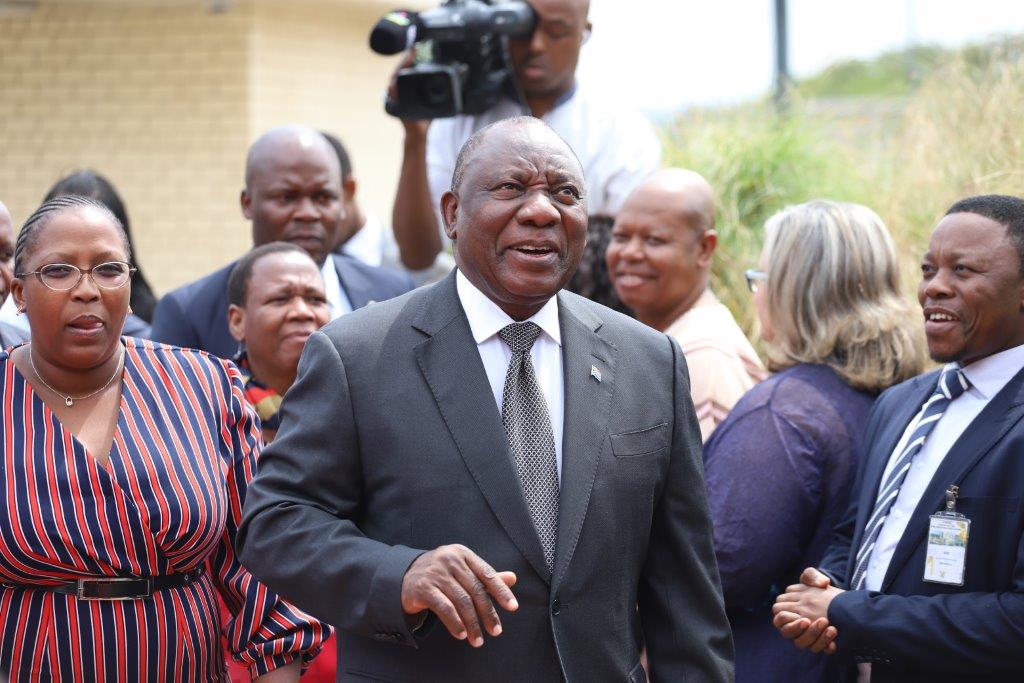
President Cyril Ramaphosa said that Eskom employees would be denied leave to resolve the power outages plaguing the country
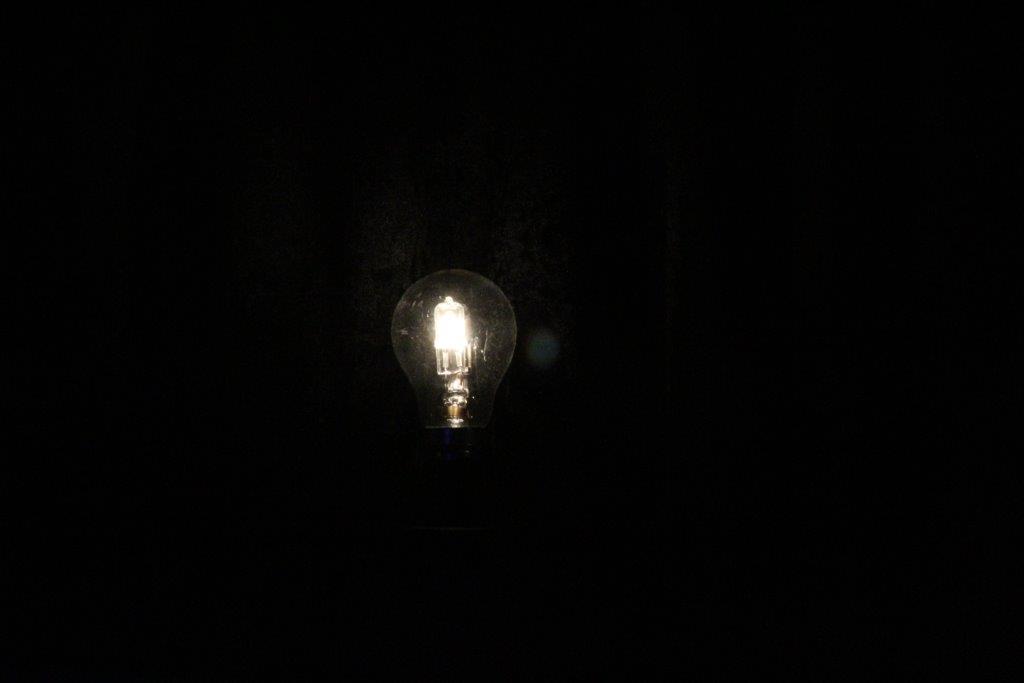
MBOMBELA – Security concerns. Communication interruptions. Christmas shopping delayed.
2019 is ending on a tough note for South Africans with rolling blackouts.
President Cyril Ramaphosa put the historical advent of stage 6 load-shedding on Monday night down to sabotage. While the power utility investigates what many consider an act of treason, consumers are left with the uncertainty of when their lives will next be disrupted, as well as broken appliances and traffic jams.
However, it is local small businesses which are bearing the brunt of the effects.
Business owners have to scramble to fill up generators to keep the lights on during trading hours, while those without generators suffer income losses.
ALSO READ: Roads Agency prepared for the upsurge in holiday traffic
Lex Hollman from Malelane SUPERSPAR calculated his financial losses run into thousands of rand. In a Facebook post made on Tuesday, titled “The real cost of load-shedding”, he noted: “We burned through 1 283 litres of diesel yesterday. At R16,30 that equals R20 912. Let us then extend that to seven days, which amounts to R146 390, or even worse, one month, which equals R585 561.
“The whole economy will suffer. The above cost is just for our business,” he added.
Pottie Potgieter from BUCO Nelspruit, said they use two big generators which use a tremendous amount of diesel. “To keep the store going during load-shedding costs R2 500 or more per hour.
“The point of sale machines lose signal like cellphones, and this angers our customers,” he added.

ALSO READ: How to avoid silly season overspending
Fred Smith, the i’langa Mall operations manager, said their tenants’ experience are mixed.
“While at least 50 per cent of the mall by floor area is able to trade during load-shedding, it’s the small stores with no backup systems that suffer.
“Smaller tenants trade using natural light and other measures, but their sales are definitely affected.”
He added that all the restaurants and entertainment facilities have backup generators and trade as normal during load-shedding.
ALSO READ: Pod of dead hippos in KNP a mystery
“The mall emergency and fire systems are all linked to generators, so shoppers can rest assured that their safety is secured,” he concluded.
Safety and security
The chief operating officer at the Kruger Lowveld Chamber of Business and Tourism (KLCBT), Linda Grimbeek, added that security is an issue.
“Alarms are on battery power and usually last the entire two-and-a-half hours of load-shedding without a problem, but outside beams, electric fences and cameras are not operational unless connected to a generator.
“With the current state of security, we cannot risk being without security. Lodge owners have to get up at all hours to start generators during the night to make sure guests stay safe and comfortable.
ALSO READ: How to avoid silly season overspending
“We have to pay people during load-shedding – even if they cannot work. We have to pay them one-and-a-half time or even double for working longer hours.”
Grimbeek added that communication interruption was a particular problem if an emergency situation arose.
Cellphone tower signal loss
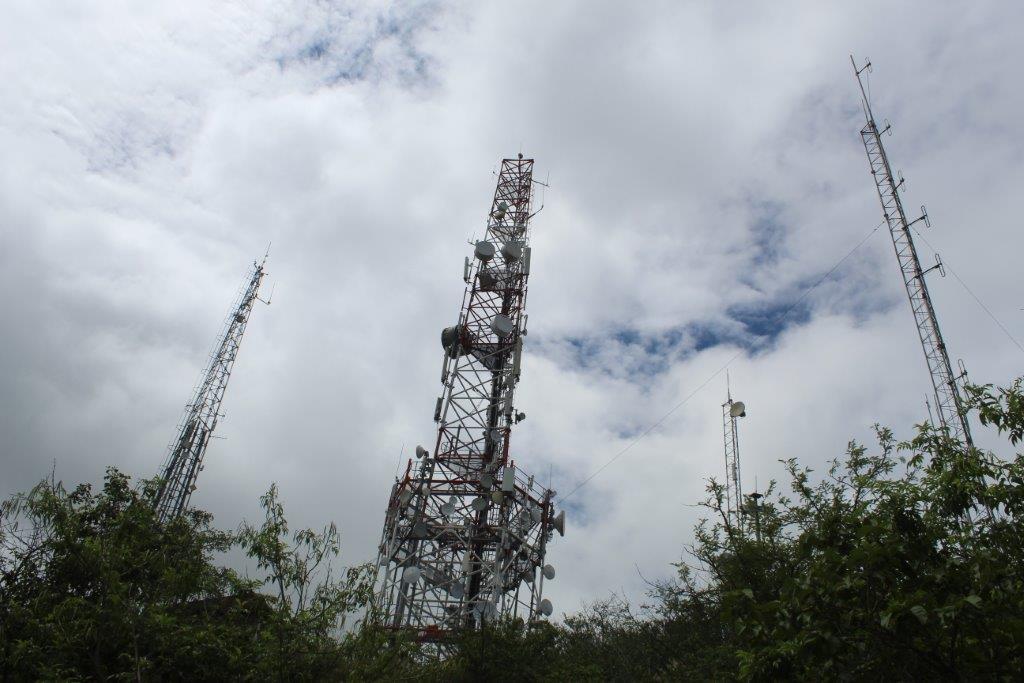
A particular frustration is phone signal interruptions. MTN SA CEO, Jacqui O’Sullivan, said their batteries generally have a capacity of six to 12 hours and require 12 to 18 hours to recharge. “In stage 3 and 4 load-shedding this is simply not happening. This situation is exacerbated with the introduction of stage 6.”
She added that if the situation were to worsen, MTN would consider providing more batteries in addition to the 1 800 generators currently in use.
“Excluding the amount spent on new batteries for new cellphone sites, MTN spent around R300 million in 2018 on batteries for existing sites.
“Another significant additional cost of the load-shedding is the extra on-site security needed to protect the batteries, generators and general site equipment from thieves and vandals. Load-shedding is seeing entire neighbourhoods cloaked in darkness at predictable times, which is offering criminals greater cover for their thieving.”

ALSO READ: Final respects to be paid to Cathy Irving
Vodacom’s executive head of technology in Mpumalanga, Monde Mgcukana, said their base stations are run on Eskom power.
“During power failures, the sites are affected and effectively shut down. To mitigate the impact of the power failures, Vodacom designs all the sites to have battery backup, from which the sites temporarily run.
“For the 10 per cent most critical sites, on-site power generation, namely diesel generators or fuel cells, are installed. A key challenge in ensuring all sites have backup time are vandalism and theft. The base stations don’t always have backup power.”
ALSO READ: Runners exchange their tekkies for capes
Ngcukana added that an option during power outages would be to seek areas which have not had power failures and may emit a signal.
“Although the service may be degraded due to increased usage from surrounding areas, voice and messaging services should work.
“With more than 1 000 sites in Mpumalanga, and load-shedding spread across the province at any point in time, it is not possible to mitigate zero downtime,” he concluded.
What is next?
Ramaphosa gave his assurance that South Africans will not experience a blacked-out Christmas, but Grimbeek points out that Eskom’s statements about their generation losses indicate that the situation is worsening.
“My concern is that there seem to be no progress with repairs. How can we trust that load-shedding will only be for this week and how can we trust that there will be no further implementations of stage 6 or even 8?”
ALSO READ: SANParks warns holidaymakers of road closure in Kruger National Park
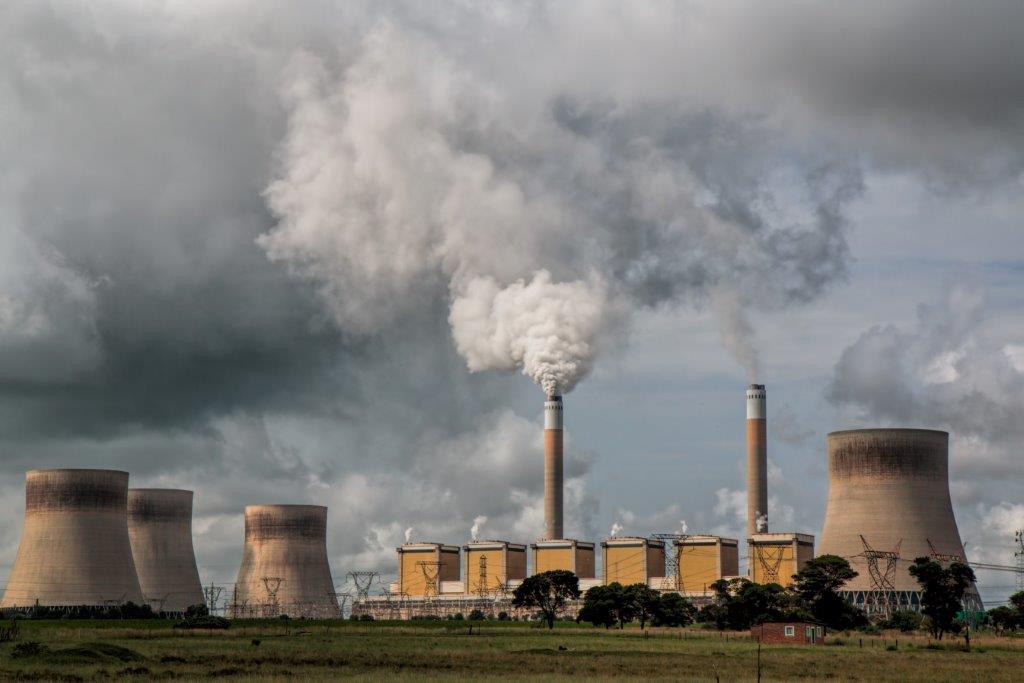
Ramaphosa further blamed incorrect designs at the Medupi and Kusile power stations for the crisis.
“They had design challenges that were given rise to by the original equipment manufacturers having either misdesigns at certain parts of those power stations, and that is being addressed.”
He announced that all Eskom employees would be denied leave until January to return stability to the system. Ramaphosa further indicated that the country’s intelligence services would investigate the alleged sabotage, adding that there would be enough power supply next year.
“By next year around June, unit one of Medupi will be on stream and will be able to generate enough energy.”