Sabi Sand relays its recent rhino interventions
The Sabi Sand Wildtuin detailed some of the interventions it recently undertook in order to preserve its rhino population. These included giving medical treatment to four rhinos who had sustained fighting injuries.
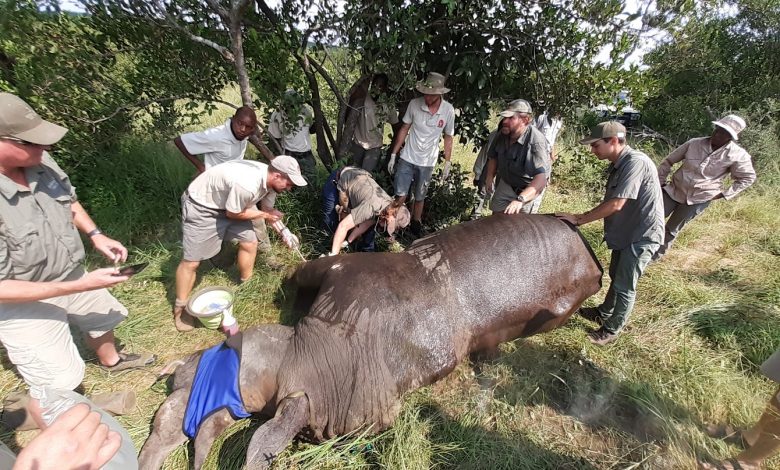
The Sabi Sand Wildtuin (SSW) team prides itself on the varying rhino intervention projects it has undertaken in August and September.
The SSW recently treated two white rhino bulls that had sustained territorial fighting injuries. The first bull that was tended to, from the northern Sabi Sands, had been previously treated for similar injuries, but required further attention as the wounds were not healing as expected.
ALSO READ: Renosters gevier op Wêreld Renosterdag
The animal had sustained further injuries from another fight. His wounds were attended to by an expert wildlife veterinary service and long-lasting antibiotics were given to control any possible infections. The intervention took approximately 90 minutes, after which the rhino woke up quickly and recovered without incident.
The second bull treated, from the southern Sabi Sands, had been monitored for four days after his injuries were first noticed by the conservation department.
The animal appeared to be struggling, so the SSW team decided to intervene and provide treatment. His injuries were also a result of territorial disputes. They were less severe than the bull treated in the north, but he was in discomfort and at high risk of infection.
The rhino was successfully immobilised, his wounds were cleaned, and he was also given a long-lasting antibiotic. A DNA profile was also taken.
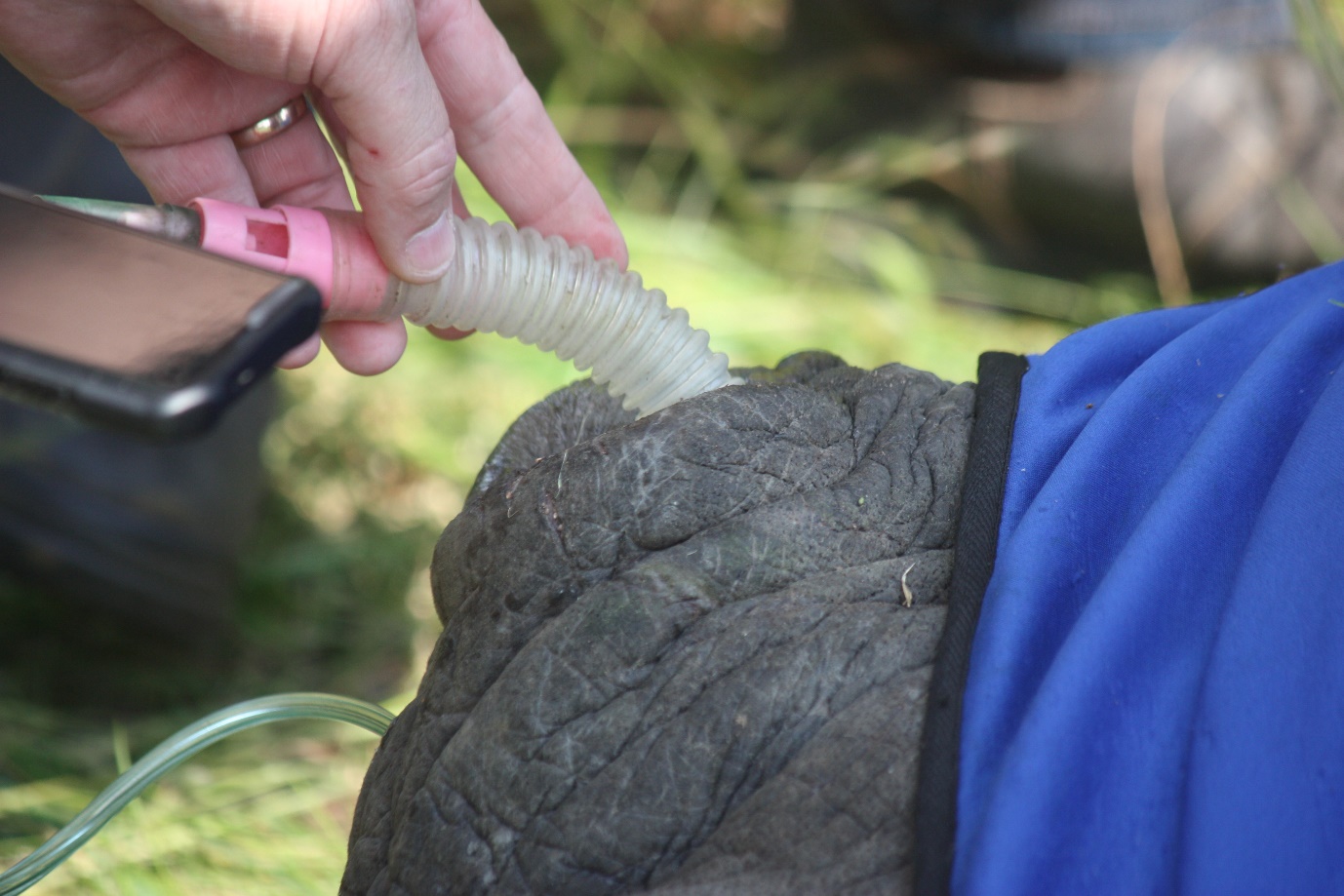
In August another two white rhino veterinary interventions were performed. On August 2, a white rhino cow, suspected to have been injured by a white rhino bull, was tended to for a deep puncture wound, approximately 20cm x 20cm x 8cm on her side.
> Photo: Sabi Sand Wildtuin
She also sustained a broken rib and had a young calf of about one year old with her. The cow was immobilised and the calf temporarily separated from its mother for the duration of treatment.
The wound was treated whereafter the animal was administered reversal drugs and woken up. The calf was then reunited with its mother.
ALSO READ: Equestrians back in the saddle
On August 4 an injured, dehorned white rhino bull (dehorned at another property) was treated for fighting injuries. The animal was monitored for two weeks before it was decided to go ahead with treatment. It is reported to have made a full recovery.
Asked about the reason behind such interventions, Iain Olivier, head of conservation, said, “Interventions are limited to where species are threatened or where we want to enhance the ecological functioning of the SSW Protected Area.
“With this guiding principle in mind, the SSW always aims to achieve minimal interference. Exceptions will only be made when, through anthropogenic interference, the well-being of indigenous wildlife species is threatened.
“In this instance, the extremely high levels of poaching in the Greater Kruger are the driving factor behind our stance. Our policy of intervention for other species is always to intervene when the threat or injury is anthropogenic in origin.
“Under these circumstances, specific animal interventions including veterinary treatment, euthanasia and rehabilitation may be considered, guided by advice from the Mpumalanga Tourism and Parks Agency as well as the SSW veterinary expert group”.