National Sea Rescue Institute warns of the silent killer – drowning
The NSRI said in their statement that according to Statistics South Africa, drowning is the fifth leading cause of unintentional death in the country with 600 children estimated to die by drowning in the country every year.
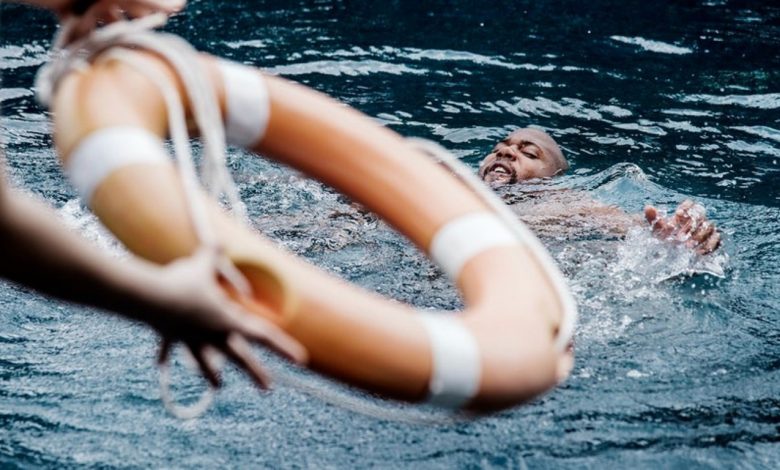
With an estimated drowning rate of up to 600 children a year in South Africa, the National Sea Rescue Institute (NSRI) recently released a statement, urging the public to practice extreme caution around bodies of water, and what to look out for in possible drowning cases.
NSRI head of drowning prevention, Andrew Ingram, said many of the fatal drownings could have been prevented if there was “a responsible, able bodied person watching the children when they are in or near water, and if they were able to recognise the signs of drowning”.
“When people are drowning, all of their energy is going into trying to breathe and staying above water,” said Ingram.
ALSO READ: Seven ways teachers can support learners in 2021
“They are not yelling for help or waving their hands around. Drowning is often quick and silent”.
Ingram urged parents and caregivers to be vigilant when their children are near water.
“Most drownings of children under five years of age are at, or near, their home. Special attention should be paid to wash basins, baths, dams, rivers and swimming pools.
“Small children should not be able to get close to these dangers alone without responsible adult supervision. “Older children should also be reminded of the dangers that they face near water.
ALSO SEE: IN PHOTOS: White River Primary’s grade ones are not camera-shy
“The priority is to have somebody dedicated to physically watch those who are swimming, not distracted by their phone or conversations with others. Taking your eyes off children, even for a few seconds, could prove fatal,” he said.
In an attempt to assist the public in monitoring swimmers and identifying people who are possibly drowning, the NSRI has developed a “swimming monitor” ID tag.
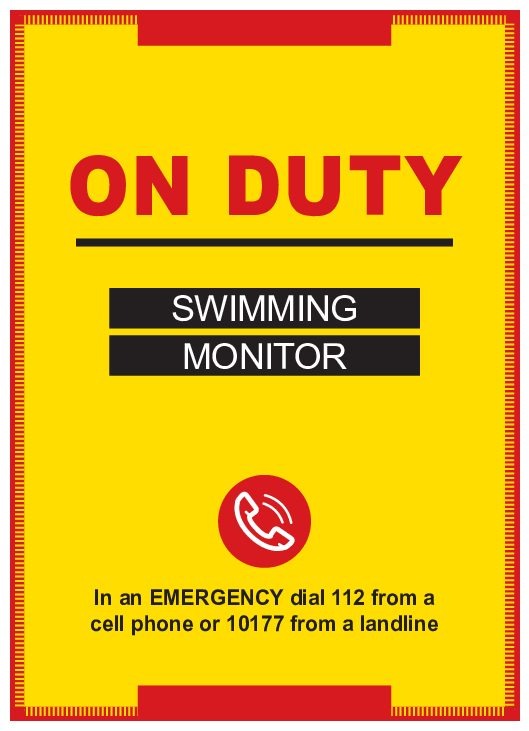
“We encourage people to print it out, add a lanyard or tie it on a loop of string for the designated swimming monitor to wear it around their neck. The person who is “on duty” should do nothing other than watch the children while they are in the water,” said Ingram.
ALSO READ: Laptops stolen during burglary at Nelspruit Primary School
He said the tag should be passed to another responsible adult after half an hour to make sure that there is no lapse of concentration from the person who is “on duty”.
The statement also said it is important that those supervising the children know who to call for help and how to do bystander CPR.
The swimming monitor tag has emergency numbers printed on the front. On the reverse side are infographics on how to do bystander CPR.
“Drowning can happen in seconds. A more widespread understanding of what signs of swimming distress and drowning behaviour actually look like would help to save lives” said Ingram.
Seven warning signs that someone is drowning:
1) Struggling to keep their face above the water in an effort to breathe – head is low in the water, tilted back, and mouth is at water level.
2) Their body is in a vertical or upright position. No supportive kick, appearing as if they are bobbing.
3) Has arms extended to the side pressing down for support.
4) Might continue to struggle underwater, but isn’t making any headway, often facing the nearest point of safety, for example land, a person, shallow water, a buoyant support toy or a boat.
5) Panicked or wide eyes – the eyes appear big, glassy and empty, unable to focus;
6) Inability to respond to the question: “Are you okay?”
7) Silence
To view and download the swimming monitor ID tag, visit, NSRI here:
ALSO SEE: IN PHOTOS: Laerskool Bergland welcomes grade ones