New vaccine an important tool to end malaria in Africa
"We hope to eliminate the disease in Mozambique, Zimbabwe, Zambia and Angola by 2030. Especially Mozambique and Angola require assistance to reduce their cases," said Maharaj.
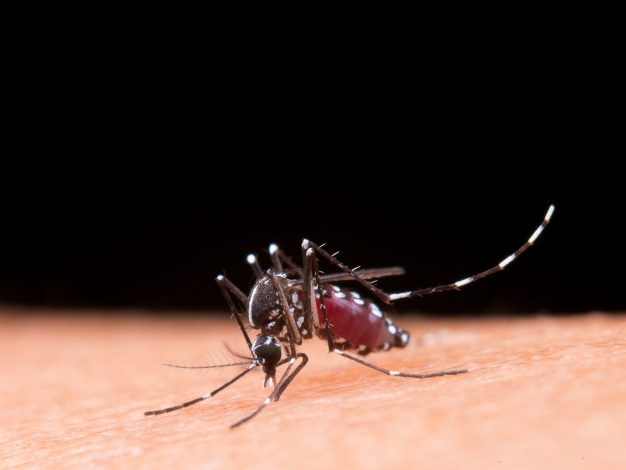
The recently approved malaria vaccine will possibly not reach South Africa.
Speaking at a discussion about the development of malaria vaccines hosted by the Human Sciences Research Council in partnership with the Malaria Research Unit at the South African Medical Research Council (SAMRC) on November 17, Prof Rajendra Maharaj, director of SAMRC, said that though the goal for researchers in Africa is to eliminate malaria in South Africa, Namibia, eSwatini and Botswana by 2025, the roll-out of the vaccine is not recommended in South Africa, as most local cases lie within the age group 14 to 34 years.
“We hope to eliminate the disease in Mozambique, Zimbabwe, Zambia and Angola by 2030. Especially Mozambique and Angola require assistance to reduce their cases,” said Maharaj.
He said the newly approved RTS,S vaccine is another tool in the toolbox that can be used to fight the disease. “We cannot use the RTS,S vaccine as a standalone intervention and throw the other interventions away. We need to integrate the vaccine with other malaria control and preventative activities.”
ALSO READ: Lily Mine inquest hears from surveyors in Nelspruit Magistrate’s Court
According to Maharaj, the vaccine targets children under the age of five, an age group that is especially vulnerable to the disease. About 50% of the mortality rate in Africa due to malaria is of children under the age of five. He said the vaccine targets p. falciparum, the organism that causes malaria before it infects the liver.
It is over 34% effective in children over a four-year period, in which they require four doses.
“If you are administering the vaccine at a health facility, it requires the caregiver to take the children on several occasions to receive the vaccine. The people in these areas are relatively poor, which creates problems administering the vaccine.”
Dr Jaishree Raman, senior medical scientist at the National Institute for Communicable Diseases, said September marks the start of malaria season in South Africa, as the climatic conditions are more conducive for mosquito breeding. “Case numbers generally increase from September, peaking in January and then again after the Easter break. These peaks are generally associated with increased movements of people around Christmas and Easter.
We are seeing that cases this year are slightly higher than last year, which in part is due to the relaxation of national and international travel restrictions.”
ALSO READ: Locals thoroughly enjoy themselves at farm market
Raman said Mpumalanga reported fewer than 200 cases in both September and October this year, with most cases detected in the Nkomazi area.
Maharaj said thanks to these interventions, malaria cases in South Africa have been brought down from over 60 000 in 2000 to less than 8 000 last year.
Do you have more information about the story?
Please send us an email to editorial@lowvelder.co.za.
For free breaking and community news, visit Lowvelder’s website: Lowvelder
For more news and interesting articles, like Lowvelder on Facebook, follow us on Twitter or Instagram