GRIP beneficiaries left in the lurch: 90-day pause affects Mpumalanga-based organisation’s funds
The organisation has had to temporarily let go of 24 staff members and those who are still working are doing so on reduced salaries.
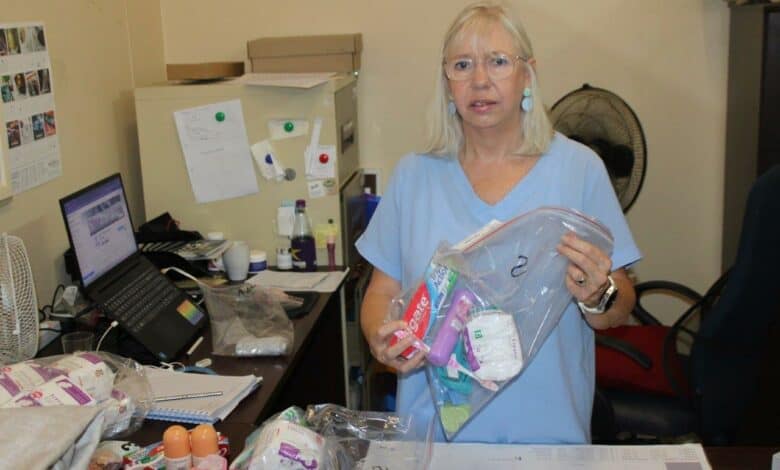
The recent 90-day pause in funding by the United States Agency for International Development (USAID), under the directive of the new US administration, has placed extreme financial pressure on various healthcare sectors and NGOs in South Africa.
This 90-day pause has hit a local organisation, that assists thousands of gender-based violence (GBV) survivors in various areas of Mpumalanga, hard.
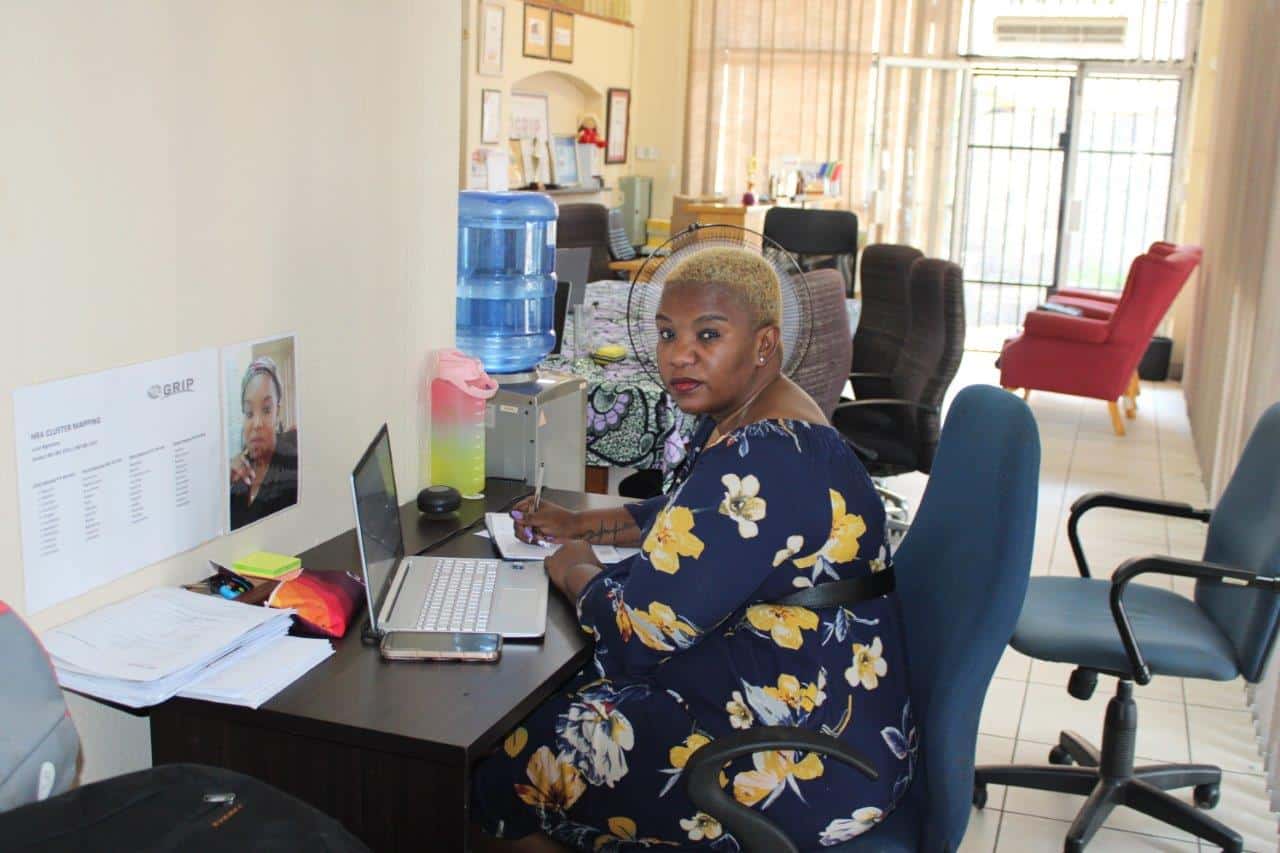
GRIP renders services to thousands of survivors of rape, sexual assault and domestic violence. The freeze affects R1.7m in funding. Due to this, the local intervention programme has had to temporarily let go of 24 staff members. Those who are still working are currently receiving a reduced salary. The sudden loss of the USAID funding has left GRIP’s five Hospital Trauma Care Rooms in the province without financial support.
The sudden loss of the USAID funding has left GRIP’s five Hospital Trauma Care Rooms in the province without financial support.
ALSO READ: Fetakgomo Tubatse mayor pays condolences to family of soldier killed in DRC
The GRIP’s CEO, Tarryn Lokotsch, said these care rooms are a lifeline for GBV survivors. They provide crisis intervention, medical care and legal support when victims need it most.
Due to this 90-day pause the frontline workers are fighting to keep these doors open.
“These are the people who hold the hands of survivors in their darkest moments, ensuring they get the care, dignity and justice they deserve.”
In past years, USAID and its flagship initiative, the President’s Emergency Plan for Aids Relief (Pepfar), have been assisting with funding. GRIP would receive the funds through the Networking HIV and Aids Community of Southern Africa (Nacosa). There are many other South African NGOs that fight against gender-based violence, HIV/Aids and TB, that are affected by this, too.
Lokotsch said GRIP has been receiving a significant amount of funding. “The money that we receive from Nacosa funds two programmes – the prevention programme and our GBV response programme. They are interlinked and are referred to as the Dreams Programme by Nacosa and Pepfar. With these programmes we educate the community. Then there is the response side, in which we respond to any active violence.”
She said GRIP has been providing prevention programmes in the Bushbuckridge, Thaba Chweu, Chief Albert Luthuli and eMkhondo municipalities.
“The prevention side of things is completely frozen right now. We are unable to continue or self-fund the programme, because the cost is too high. This is because we give beneficiaries refreshments and pay transport, because we take the service to the community. This programme has been suspended for 90 days.”
The Hospital Care Rooms that are affected by this are in the Tintswalo, Matikwana, Carolina, eMkhondo and Lydenburg hospitals.
“These hospitals are very busy; we see a lot of rape cases. In the last three months, we attended to 300. If we were to close these care rooms, we are concerned about what will happen to the victims. As GRIP, we are trying to self-fund these programmes. This is because we have a responsibility to the community that we serve. If we do not have first responders and social workers, there is a big gap. For the sake of stakeholder relations, the community and the work that we have done, using some of our savings to keep the care rooms open is a risk I am willing to take,” she said.
ALSO READ: City of Mbombela CFO’s legal battles continue
For these care rooms to stay open, the first responders all have to work on reduced salaries. They are working on a stipend basis, and management are going through significant reductions in salaries. Lokotsch said they are grateful for the funding they receive from other donors, although she noted that GRIP cannot move specific funds around to cover other items.
“There are funders that fund specific sectors and we cannot move those funds to others. It is not about reshuffling things; we have to report back on how we spend the funds.”
She also said GRIP wants the Lowveld community to be aware that it needs their help to keep these affected services going. Lokotsch said they are grateful that they have received Pepfar funding in the past. She said despite what is happening now, the fact remains that for the past years Pepfar funded these services and it should be acknowledged for that.