Researchers rediscover ‘lost’ gecko species in Blyde River Canyon
These geckos were never lost and are still thriving on top of the Three Rondavels.
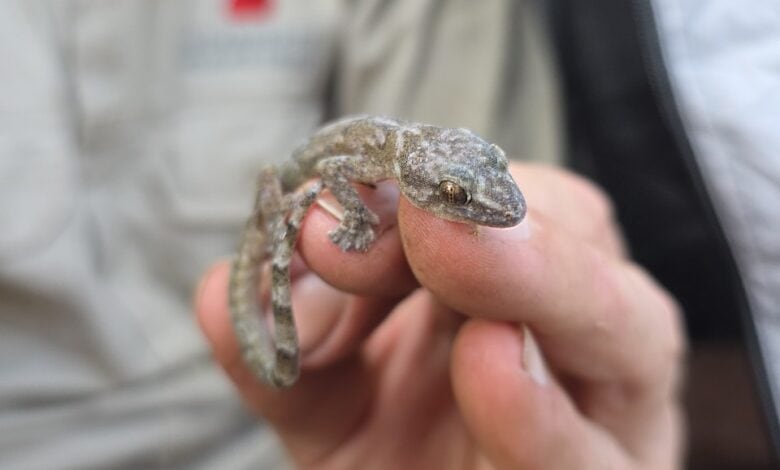
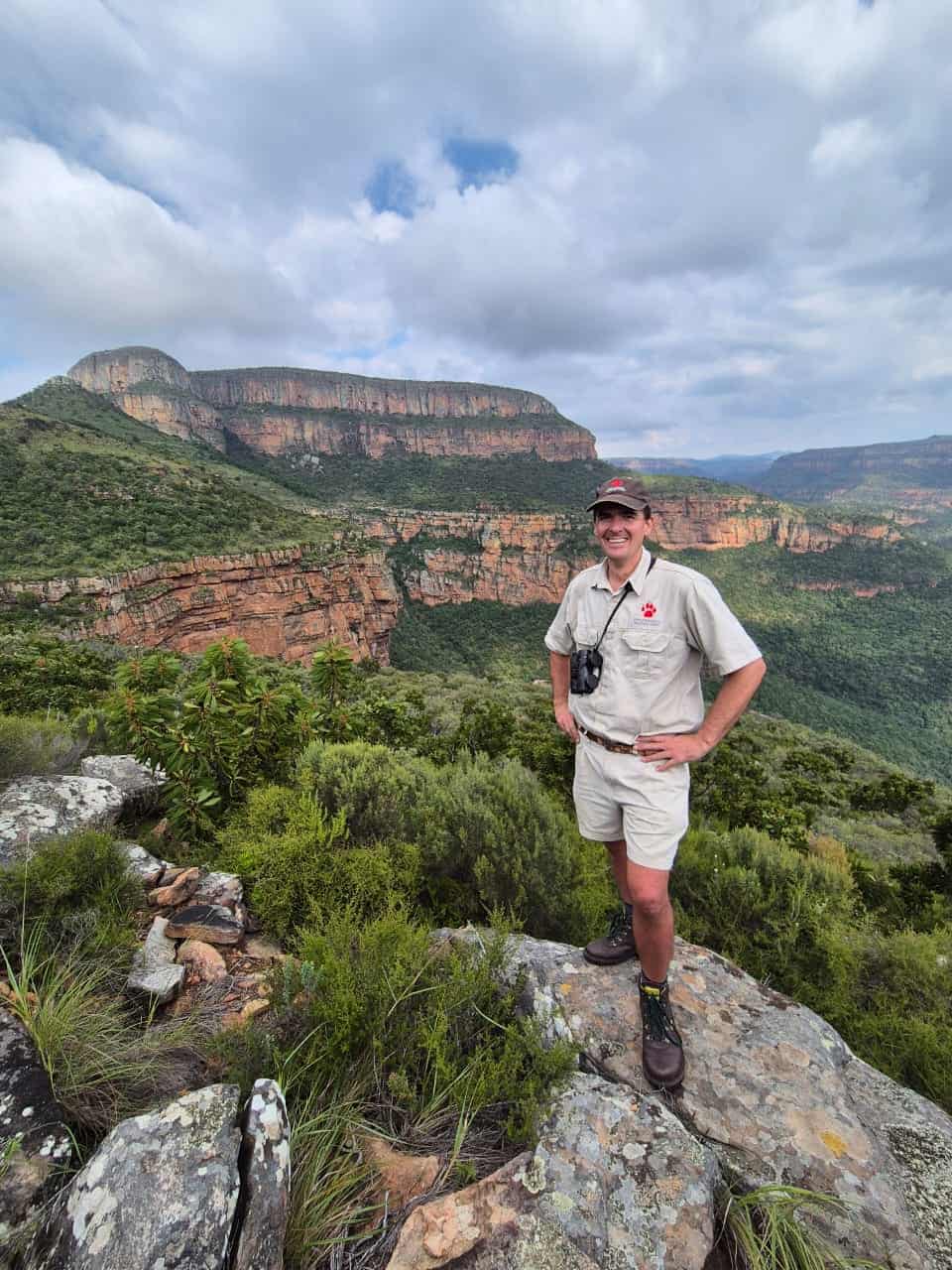
After more than three decades, the Blyde River flat gecko (Afroedura rondavelica) has been rediscovered by researchers Dr Darren Pietersen and John Davies of the Endangered Wildlife Trust.
This particular gecko species was first discovered by Dr Niels Jacobsen in December 1991 when two male specimens were collected on one of the three rondavels in the Blyde River Canyon. Also known as a rondavel rock gecko because of its habitat, this species has only been found on these specific rock formations.
The reason the species was categorised as ‘lost’ is because after 1991 it hasn’t been seen or recorded again and, therefore, was listed as data deficient in the most recent IUCN Red List of Threatened Species assessment.
The species has, however, continued to thrive on top of the rondavel where it was originally discovered.
ALSO READ: A war to protect a species
The process of rediscovery was not easy and it took about six years before the two researchers could even think of going to the rondavel. “It took a long time, because we had to get the necessary permits from the Mpumalanga Provincial Reserve and get applications approved before going to the rondavel,” Pietersen explained.
The trip is also a complicated one since the area at the top of the Three Rondavels is remote and can only be accessed by aircraft. After the trip got postponed four times, due to bad weather conditions and a rejected application, the team could finally plan their expidition.
“We met in Louis Trichardt and drove up to Mariepskop to meet with a pilot, Dr Jana Meyer of the Mpumalanga Tourism and Parks Agency. Hope for Wildlife assisted with a helicopter ride to the rondavel. It was a 15-minute flight and we had to jump from the helicopter to the ground,” Pietersen said.
After they arrived they set up a campsite and familiarised themselves with the vegetation in the area.
At 23:30 they spotted the first gecko under a rock formation ideal for habitation by the creatures. “We couldn’t believe it. It was amazing to have found them,” Pietersen shared. This species only exists on this specific rondavel and they usually live under specific rock types and on cliff faces.
ALSO READ: 70 bird species identified on outing
They are easy to spot since they are between 10 and 12cm long. The researchers collected tissue samples to do a genetic analysis and learn more about them as a separate gecko species. The reason why this species only exists on these rondavels is still unknown.