Lydenburg municipality passes unfunded budget despite concerns
Despite the objection of opposition parties, the unfunded budget was tabled and accepted by majority votes.
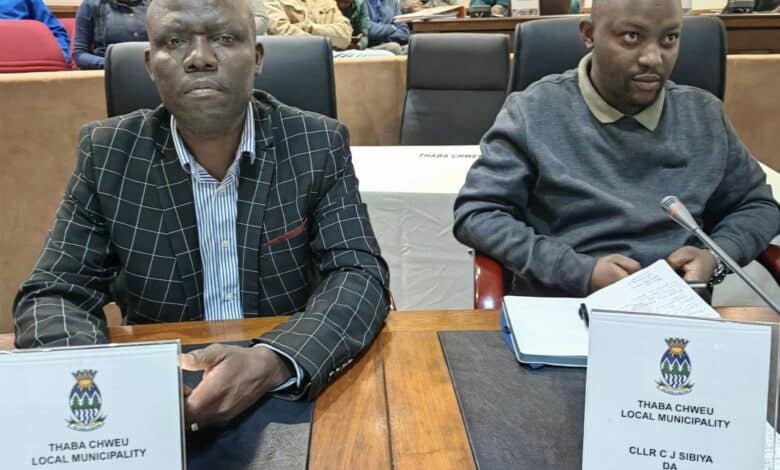
The Thaba Chweu Local Municipality (TCLM) once again passed an unfunded budget through its administrative processes by means of a majority of votes.
Despite the DA, EFF and FF Plus taking a firm stance and voting against the unfunded budget, the implementation of the 2025/26 budget will proceed.
This unprecedented step to implement the budget was made after a much-opposed presentation during a recent council meeting held on May 30.
According to DA councillor, Comfort Sibiya, the ANC in TCLM has passed an unfunded budget in contravention of the Municipal Finance Management Act (MFMA) for over six consecutive financial years.
During the presentation of the 2025/26 Integrated Development Plan (IDP) budget, the DA raised concerns about the proposed budget.
The DA stated that the IDP public participation consultations did not achieve their desired results. This was confirmed by the municipality’s own admission regarding the low attendance rate at these consultative meetings.
Sibiya also said the administration failed to table before the council its consideration on all objections and submissions made by residents and ratepayers as required by legislation.
Also read: Thaba Chweu blames Lydenburg’s potholes on ongoing rains
“The lack of evidence for approval of electrical tariffs by the National Energy Regulator of South Africa is a big concern as this means the municipality might have passed a budget with tariff increases that were not approved by the regulator.
The 70/30 split to debtors’ accounts on all electrical purchases will have a devastating effect on our already poor communities and might escalate the issue of illegal connections. Currently, the community as a whole is already struggling to keep the lights on because of sky-high electricity prices.”
Sibiya said the 2025/26 cost reflective tariff assessment indicates that all revenue services are not cost reflective. Revenue losses were stated as follows: water losses, resulting in R22.7m, waste water management of R39.7m, electricity at R133.4m and a further R35.6m for waste management services.
“The projected increase of employee-related costs of 6% is above the salary and wage increase as per the bargaining council agreement. The tabled budget projects and reflects the fact that the municipality’s short-term assets are not enough to cover the municipality’s short-term liabilities.
“A 5.1% allocated budget for repairs and maintenance is also way below the norm of 8%. These will harm service delivery to our communities.”
Sibiya stated that only about 35.5% of the capital budget is allocated towards the renewal and upgrading of existing assets.
“This allocation is below the normal benchmark of 60% that is recommended by the MFMA to ensure adequate maintenance to prevent breakdowns and interruptions to service delivery.”
He said that the Provincial Treasury’s budget assessment has estimated that the municipality will have a budget deficit of R325.1m.
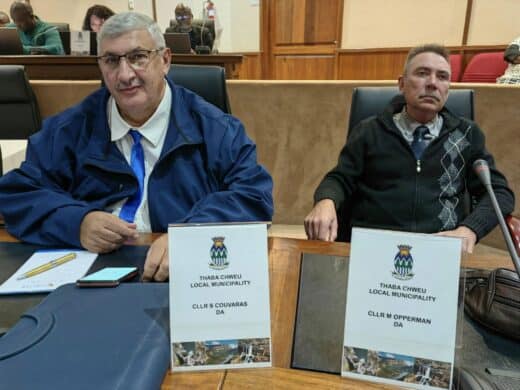
During the presentation of the budget to council, the DA councillor, Marius Opperman, affirmed Sibiya’s concerns and said that the DA, EFF and FF Plus reject the budget for several reasons, but mainly because it is unfunded yet again.
Despite the objections raised by opposition parties, a vote was held and the budget as it stands was approved.
The DA said that it will continue to play an oversight and monitoring role to ensure accountability for spending and all other expenditures.