Poachers target indigenous clivia colonies in Lowveld
Poachers are targeting more than wildlife - Mpumalanga’s clivias are at risk of extinction.
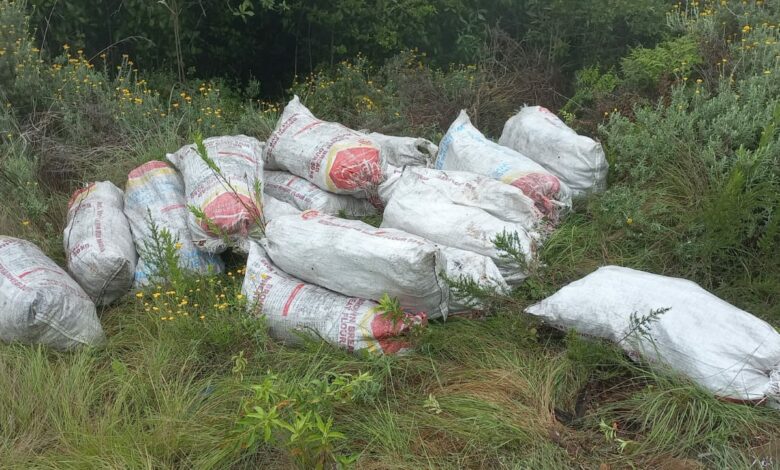
Poaching in South Africa doesn’t end with game and rhino horns. Clivia miniata – commonly known as clivia or wild bush lilies – is a sought-after indigenous plant species at risk of becoming endangered.
While looking for snares with his dog, Jessie, on the Long Tom Pass on September 3, Jaco Klopper of the South African Bush-Warrior Association came across a large number of bags containing clivia and ferns. Klopper spotted five individuals nearby, who fled after realising they had been seen.
ALSO READ: WATCH: Tswale grazes freely after two decades in captivity
He said that poaching of protected plants becomes more prolific during the rainy season, when the ground is soft and added that clivias are currently more valuable than rhino horn.
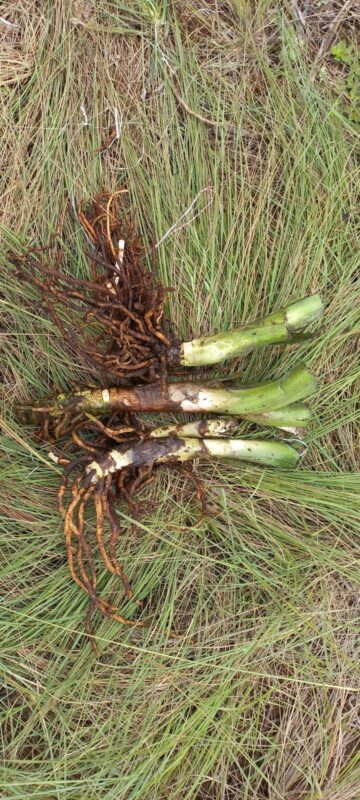
The chairperson of the Mpumalanga Flora Union, Willem Cloete, said these plants are becoming more endangered and efforts to curb poaching should focus on the buyers who export the plants, rather than the poachers.
ALSO READ: Youth Forum plants indigenous trees in White River
Cloete noted that there was a clivia colony in the Eastern Cape that sadly no longer exists and that the Lowveld colony is close to extinction. These flowers are used as pendants and for interior purposes in Asia.
According to Klopper, plans are under way to stop the illegal harvesting of clivias by joining forces with other organisations.