Wildlife Rescue: Drought-hit Marloth Park executes mass game relocation
The relocation marks a turning point for Marloth Park, offering hope for ecosystem recovery.

More than 1 000 wild animals were relocated in October as part of an urgent effort to restore balance in the drought-stricken Marloth Park, a holiday town and wildlife sanctuary in the Lowveld.
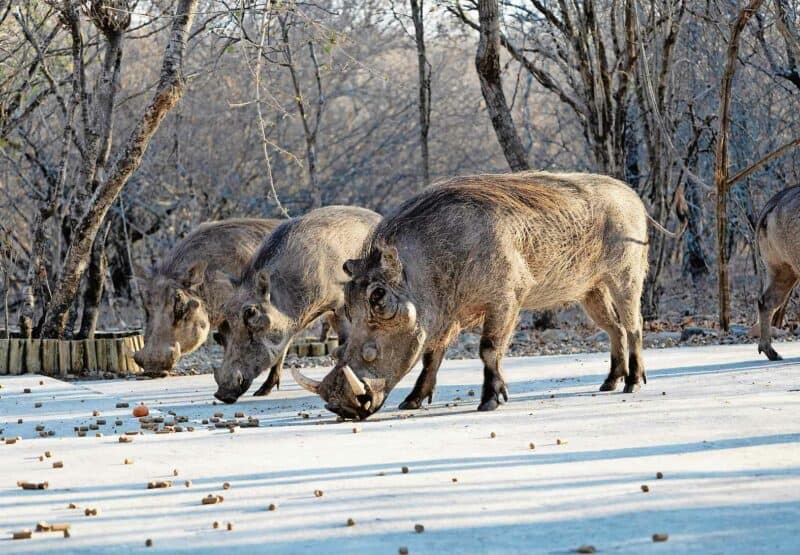
For years, Marloth Park has struggled with severe overpopulation. The 3 000ha reserve could no longer sustain its wildlife, leaving grazing lands barren and forcing animals to rely on food supplied by residents and nearby farmers.
ALSO READ: Marloth Park animal culling saga remains unresolved
The consequences were devastating. Thousands of animals died from starvation, malnutrition and disease.
Court interdict halts hunting
The crisis was compounded in 2017 when culling was suspended after a residents’ group successfully obtained a court interdict to halt all hunting and culling in the park.
With no population control measures in place, numbers soared and the ecosystem collapsed.
ALSO READ: Marloth Park Ratepayers Association threatens more legal action to stop animal culling
In November 2024, the Mpumalanga High Court ordered the municipality to urgently implement humane population management.
Since June 2025, large-scale relocations have been under way, and the impact is already visible. Monthly deaths, which previously exceeded 100, dropped to 43 in October.
The relocation
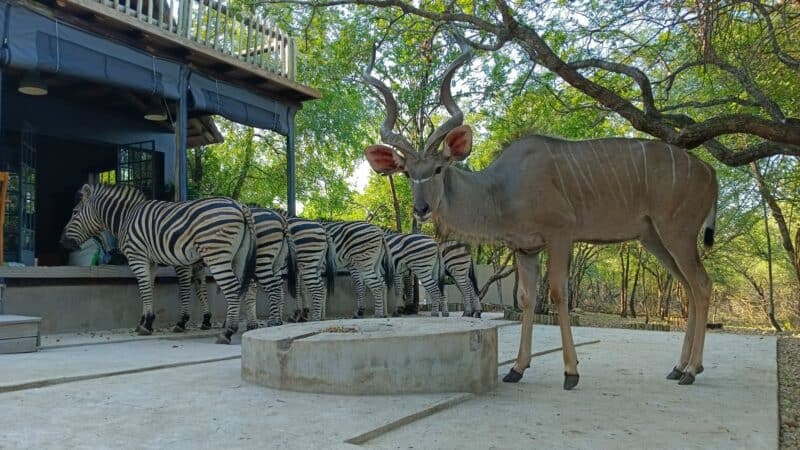
That month alone, 20 giraffe, 45 zebra, 40 blue wildebeest and 80 bushbuck were moved to reserves near Hoedspruit. Lionspruit, a neighbouring reserve, has absorbed some of the relocated animals, while others have been placed in off-site sanctuaries.
ALSO READ: Marloth Park game must be culled – NSPCA
Additional relocations included 600 impala (573 off-site and 27 to Lionspruit), 150 kudu (128 off-site and 22 to Lionspruit), and 150 warthog (149 off-site and one to Lionspruit).
Turning point
The operation marks a turning point for Marloth Park, offering hope that the reserve can recover from years of ecological strain and provide a sustainable environment for its wildlife once again.