Kruger Park’s K9 unit expands to 53 dogs
The Kruger National Park has expanded its K9 Counter-Poaching unit to 53 highly trained dogs, strengthening efforts to track and apprehend poachers.
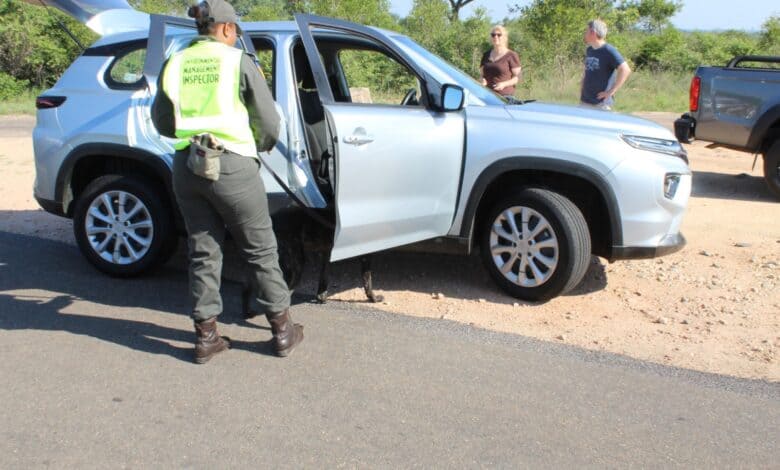
The Kruger National Park (KNP) is significantly escalating its battle against the poaching of rhino and other wildlife by bolstering its highly successful K9 Counter-Poaching unit.
It has increased its number of specially trained anti-poaching dogs to an impressive 53.
The decision to expand the unit is a direct result of the programme’s proven efficacy.
According to the KNP’s spokesperson, Rey Thakuli, the successes achieved in catching several poachers in the act and apprehending others who fled the scene provided compelling evidence to justify the move.
“We have had a lot of success, and these dogs have caught several poachers in action. Their presence is a substantial return on our investment as the dogs play a huge role in the park’s conservation efforts,” he said.
ALSO READ: KNP tackles rhino and bushmeat poaching on multiple fronts
The unit employs a specialised, two-tiered approach, utilising different breeds for distinct tactical roles. Hound dogs work in packs and are primarily used for tracking and following scent trails over long distances. These animals do not bite, focusing instead on leading rangers to poachers. Attack and biting dogs are trained to deal with aggressive and armed poachers. Their role is to apprehend and neutralise any immediate threat posed by dangerous individuals.
All of the dogs are trained to smell guns, rhino horns, bushmeat, and any other illegal items not allowed in the park.
ALSO READ: More incursions in KNP, less rhinos poached
“While the dogs are proving invaluable, they represent a significant financial commitment. The cost to train one of them from a young age is estimated at a minimum of R100 000. This underscores the KNP’s long-term commitment to a highly trained canine force as a cornerstone of its anti-poaching strategy,” Thakuli said.
Dog handlers are well trained and equipped with the necessary skills to handle and protect them, especially when they are deployed in the challenging and often dangerous wilderness environment.
This holistic approach, combining expert handlers with a specialised, expanded dog unit, is critical for the continued advance of counter-poaching operations within the vast expanse of the park.