Authorities scramble to avert Senteeko dam collapse
The Senteeko Dam was constructed for agricultural irrigation in the Barberton Valley
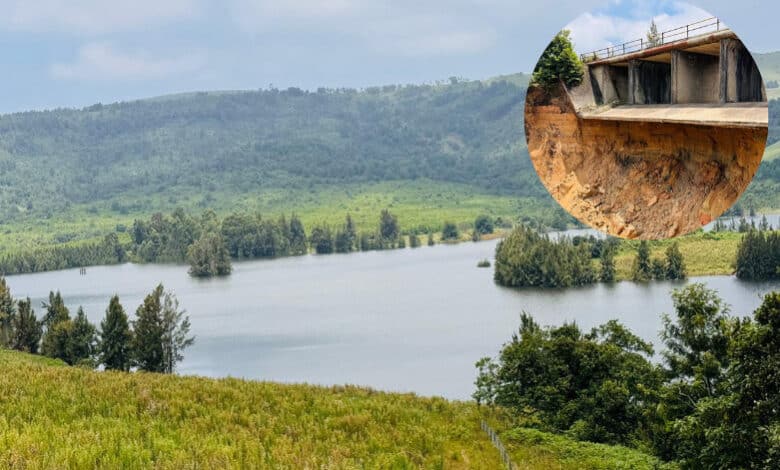
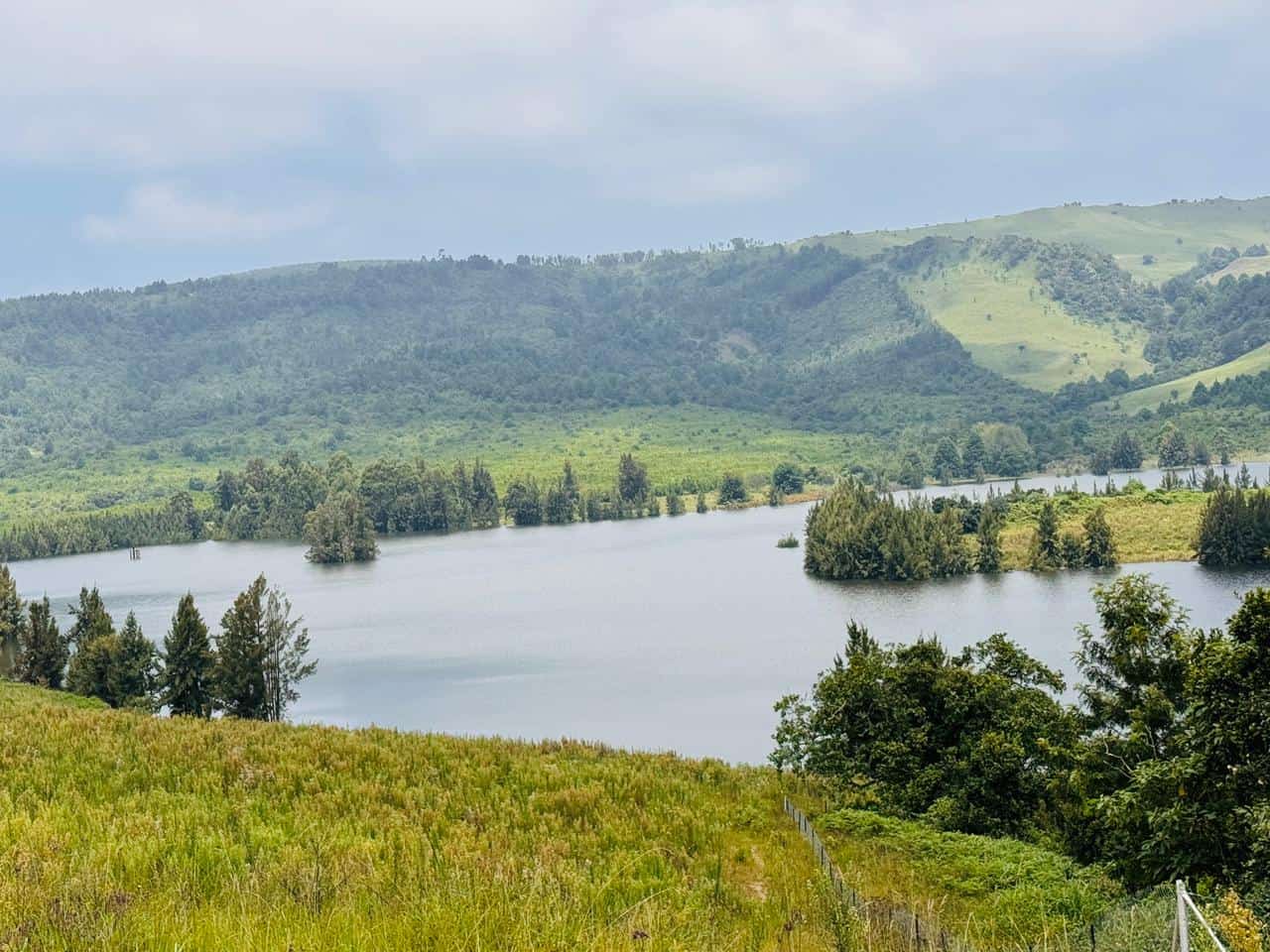
Senteeko Dam, officially registered as My Own Dam with the Department of Water and Sanitation (DWS), recently dominated news headlines as authorities scrambled to prevent a possible structural failure.
Located near Barberton, within the City of Mbombela, the dam wall’s deterioration poses a significant threat to the surrounding region.
The dam is privately-owned and managed by the Shamile Communal Property Association.
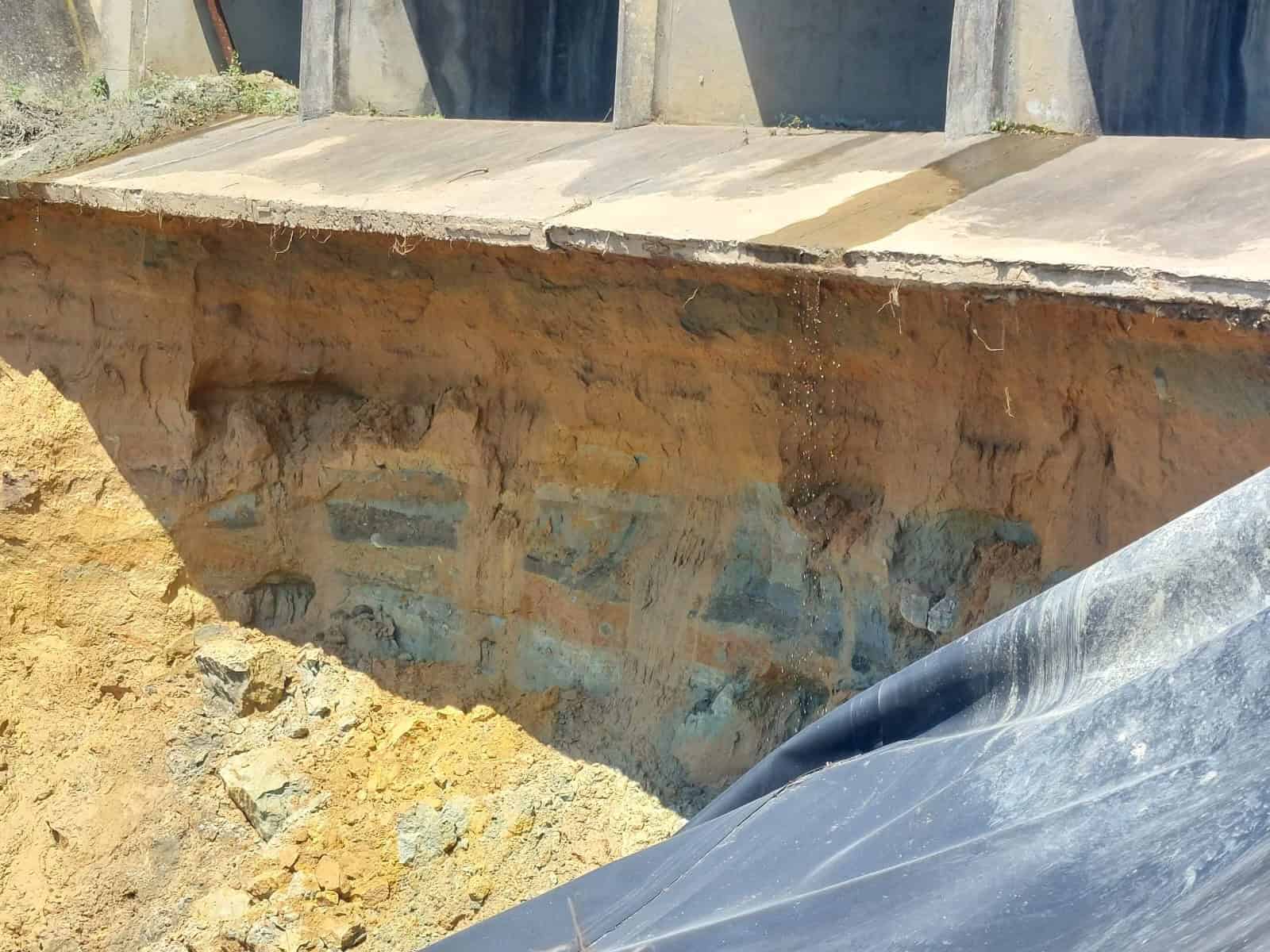
Built in the 1960s to support the historic Senteeko Tea Estate near Barberton, the dam had its concrete spillway channel replaced by a high-density polyethylene liner in 2011/12, following erosion.
Its primary purpose has always been to provide water for agricultural irrigation in the Barberton Valley.
As an earth-filled embankment dam with a concrete spillway, it was designed to capture and manage the flow from the Kaap River.
While it has served local farmers for years, recent extreme weather events have tested the limits of its aging infrastructure.
ALSO READ: Senteeko Dam still unstable despite drop in water levels
The wall is 26m high and it is classified as a medium-sized dam.
It can store about 1.8 million cubic metres of water. The spillway suffered severe and irreversible deterioration due to heavy rainfall in late December.
This led to advanced undercutting and erosion, threatening the stability of the entire structure.
The first warning of the possible failure of the dam was issued by the De Kaap Irrigation Board on January 20 and confirmed by the DWS.
The department dispatched a team of dam safety engineers to assess and closely monitor the dam on January 22.
The head of the DWS’s specialist dam safety unit, Wally Ramokopa, said if the dam’s wall was to fail completely, a massive surge of water would follow the landscape’s natural drainage.
Disaster management teams have mapped out high-risk zones and assessed the environmental and agricultural impact should the dam breach its wall.
Not only would it cause excessive topsoil erosion and siltation, but would also strip fertile soil and dump huge amounts of sediment into river systems, potentially suffocating aquatic life. Local farmers would be left without a reliable water source for the remainder of the growing season, potentially leading to crop failure and job losses in the sector.
Ramokopa sought to allay fears among the public, stressing that only residents within the floodplain would need to evacuate.
ALSO READ: Senteeko Dam collapse risk remains despite drop in water level
“We don’t have densely populated communities downstream. There are no townships, towns or villages directly in the flood path. People in Barberton should not panic as they are far from the floodplain. The people who would be affected should the dam fail are those using its water for irrigation purposes,” he said.
The dam owner is responsible for its maintenance and repairs.
“This is a privately-owned dam. It does not belong to government. However, any work carried out must be authorised by the DWS because we issue licences for dam construction and repairs,” Ramakopa explained. “If repairs are required, the appointed professional person employed by the dam owner knows they need to design the work properly and submit the plans to the department for approval.”
He concluded by saying that, for now, the priority is to avoid the dam’s failure and protect lives. Officials will engage with downstream land users about long-term stability.