Rescued KNP rhino Satara becomes a mother 12 years later
Orphaned in Kruger National Park, rhino Satara has become a mother, marking a conservation milestone and symbol of hope.
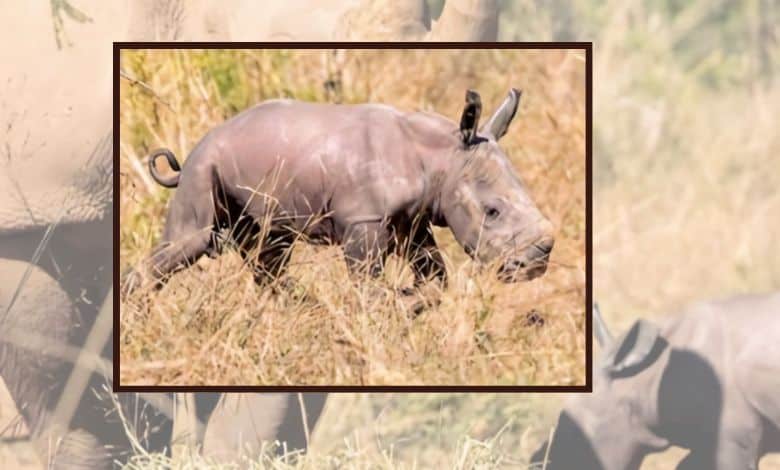
More than a decade after she was rescued as a traumatised orphan in the Kruger National Park (KNP), a white rhino named Satara has become a mother herself.
Twelve years later, her story stands as a remarkable conservation milestone and a symbol of hope in South Africa’s fight against rhino poaching.
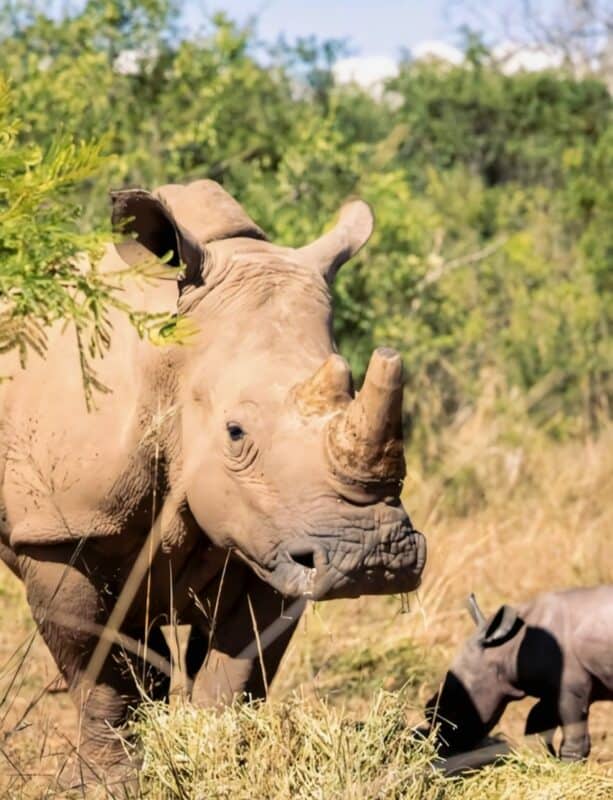
Satara was the first white rhino orphan rescued from the KNP after poachers killed her mother. She was taken in and rehabilitated by Care for Wild Rhino Sanctuary, where she was hand-raised.
She arrived at the sanctuary in 2014 during the height of South Africa’s rhino poaching crisis.
Founded by conservationist Petronel Nieuwoudt, Care for Wild has since grown into the world’s largest rhino sanctuary, rescuing and rehabilitating orphaned rhinos from the Kruger and surrounding reserves.
Like many orphaned calves, Satara’s survival was far from guaranteed.
ALSO READ: WATCH: Vet shares inspiring story of black rhino that survived poaching attempt
Rhino calves are highly dependent on their mothers for milk, protection and emotional bonding for up to four years. Conservation organisations estimate that only a small percentage of orphaned calves are found alive in time to be rescued.
After years of rehabilitation and rewilding, Satara was eventually released into a protected reserve in the Lowveld, where rehabilitated rhinos are given the opportunity to live naturally and breed safely.
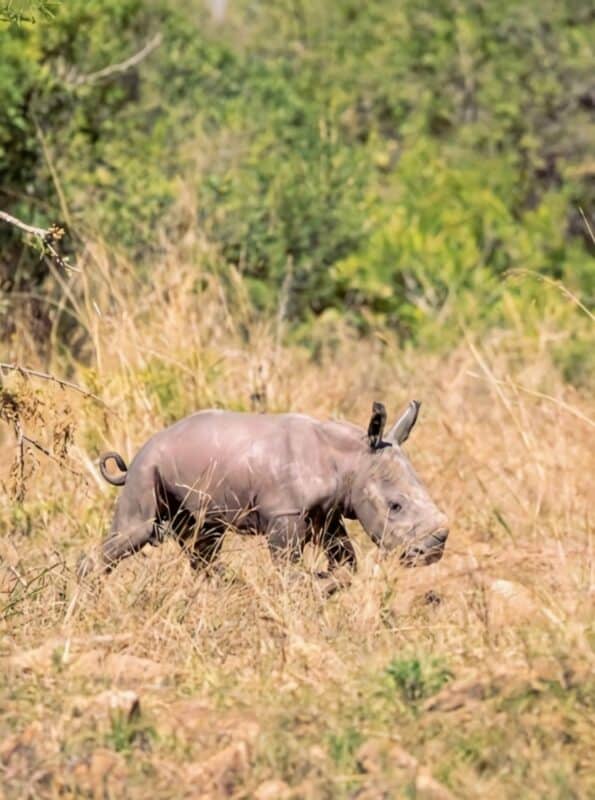
Now, twelve years later, Satara has welcomed a healthy calf of her own.
The milestone has been celebrated by conservationists and wildlife enthusiasts, with images of Satara and her newborn captured by Black Bean Productions spreading widely on social media.
Her story represents more than a single birth – it is evidence that orphaned rhinos can recover, return to the wild, and contribute to rebuilding South Africa’s rhino population.
In a striking twist of timing, news of Satara’s calf emerged the day after the reported killing of suspected rhino-poaching kingpin Joseph “Big Joe” Nyalungu.
The contrast could not be more symbolic; while poaching continues to take lives, Satara’s newborn calf represents resilience, survival and a future that refuses to disappear.