Project Blood Orange: R5.8m in assets seized from alleged rhino poaching syndicate
An investigation into rhino horn trafficking allegedly involving former game rangers is yielding results.
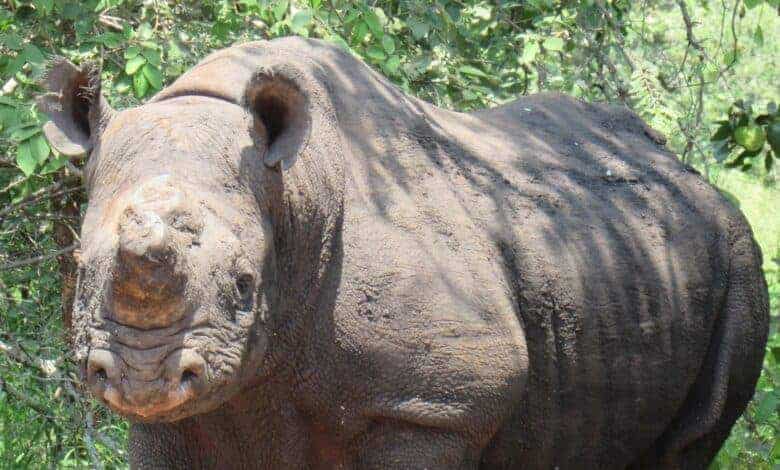
The multi-million-rand empire of an alleged major rhino poaching syndicate operating in Mpumalanga is reportedly being dismantled.
In the wake of an 18-year prison sentence handed down to Francis Kipampa, the Hawks (the Directorate for Priority Crime Investigation) and a network of state and private investigators have secured a preservation order over four high-value properties, reportedly worth around R5 860 000.
Kipampa recently pleaded guilty in the Middelburg Regional Court to charges relating to rhino horn trafficking, money laundering and running a sophisticated poaching syndicate.
ALSO READ: Decade-long rhino poaching trial set for this week
A co-ordinated, multi-agency investigation led to the arrest of 16 suspects. These include Kipampa, two former game rangers and several of their relatives.
Kipampa’s 15 co-accused are currently awaiting trial on a number of charges.
The breakthrough in the investigation came at Kipampa’s residence, where authorities reportedly discovered a vehicle fitted with a hidden compartment. Members of the Hawks’ Serious Organised Crime Investigation Unit were subsequently led to KaBokweni to recover six rhino horns.
This recovery sparked the establishment of a multi-disciplinary operation known as Project Blood Orange.
The team is represented by SAPS Crime Intelligence, SANParks, the Financial Intelligence Centre, the Asset Forfeiture Unit, and includes international partners like the United States Fish and Wildlife Service.
ALSO READ: Second Mpumalanga government official arrested on charges of murder
Major General Nico Gerber, the provincial head of the Hawks in Mpumalanga, praised the team’s efforts: “Project Blood Orange showcases the power of financial forensic investigations in exposing the activities of corrupt rangers who shared crucial information with rhino poaching syndicates.”
He added that the project came at a great cost to the [Hawks] in Mpumalanga: “It claimed the life of a dedicated and skilled investigator who was tragically assassinated on his way to work on 17 March 2020.”