Illegal ‘pet jackal’ euthanised after suffering from deadly virus
The jackal reportedly lived with a Mbombela resident before it was diagnosed with the deadly virus.
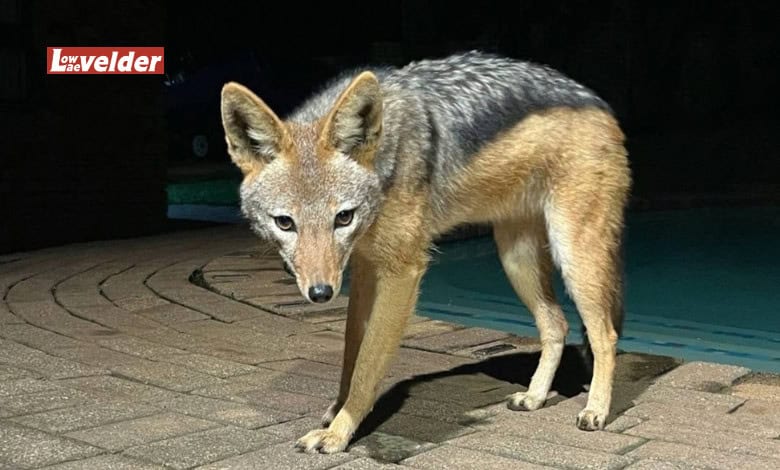
An eight-month-old black-backed jackal known as ‘Lady’ was euthanised on Saturday, 6 June, after being diagnosed with canine distemper virus.
ALSO READ: Kaapsehoop Conservancy tackle wild horses’ safety
She had reportedly been kept as a pet by a resident in Steiltes when another concerned resident contacted the Nelspruit SPCA on May 26 after the jackal escaped and was found in his garden.
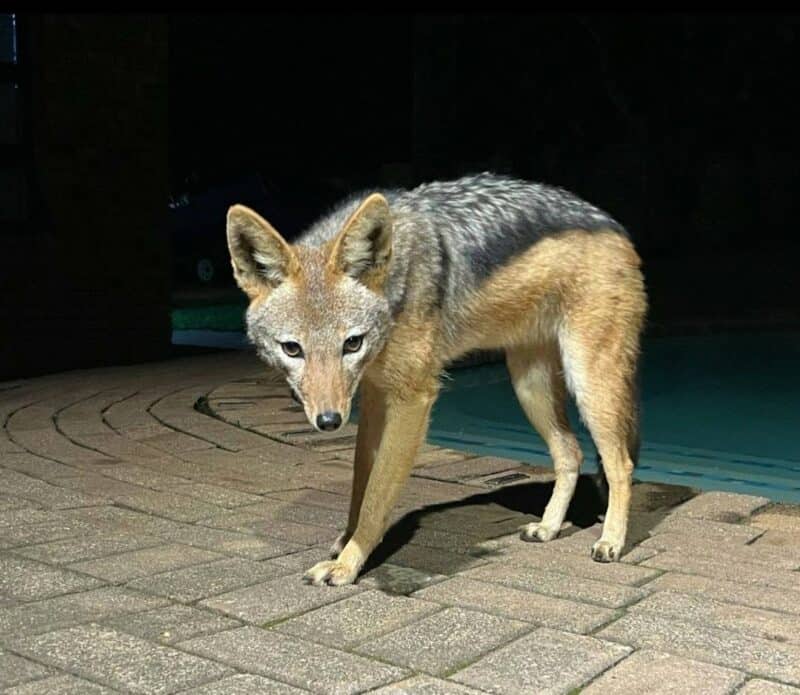
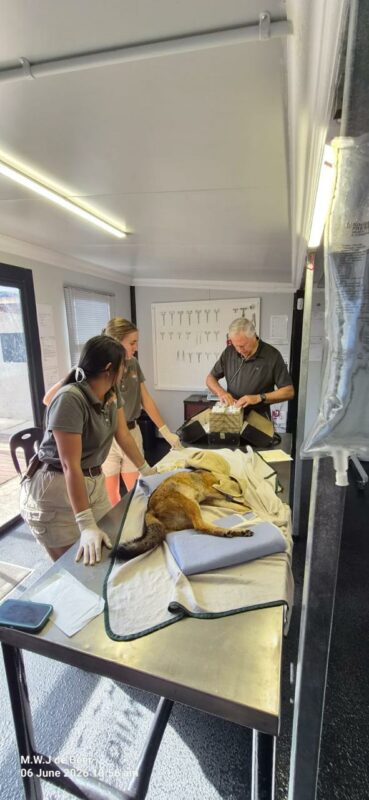
Lady was safely captured and taken in for examination. “She was assessed by our veterinarian, who administered Bravecto for parasite control as well as a rabies vaccination,” the SPCA inspector, Lize Pienaar, said.
ALSO READ: Herd of Kaapsehoop wild horses found after sudden disappearance
Lady was then transferred to the Wild and Free Wildlife Rehabilitation Centre for further treatment and to be released back into the wild. She, however, never made it back into the wild.
The centre’s founder, Deidre Joubert, reportedly received a phone call from the resident who threatened legal action to get his ‘pet’ back.
“He said his dogs miss her,” Joubert said.
Photographs seen by Lowvelder show that the jackal had been living alongside the resident’s dogs.
Joubert reported the matter to the Mpumalanga Tourism and Parks Agency, which confirmed that the resident did not have a legal permit to keep the animal. Lady’s health, however, deteriorated and, after 10 days, the rehabilitation centre’s veterinarian, Dr Peet Venter, diagnosed her with the deadly virus.
“She had lost her appetite and was paralysed,” Joubert added.
According to Joubert, the virus can develop over a period of up to six months before obvious symptoms appear. “Wildlife and domestic animals should not live together,” she reiterated. The source of the infection remains unknown.
ALSO READ: Nearly 2 000 chickens abandoned outside Mbombela
Residents of the area who own pets are advised to ensure their animals’ vaccinations are up to date and to monitor them for symptoms. Dogs should receive a 5-in-1 booster. Should a dog show any symptoms, it should be tested immediately by a veterinarian.
Venter explained that canine distemper symptoms usually start with eye or nose discharge, fever, lethargy and appetite loss. It then progresses to vomiting or diarrhoea and respiratory disease, and in some dogs later develops into a neurological disease.