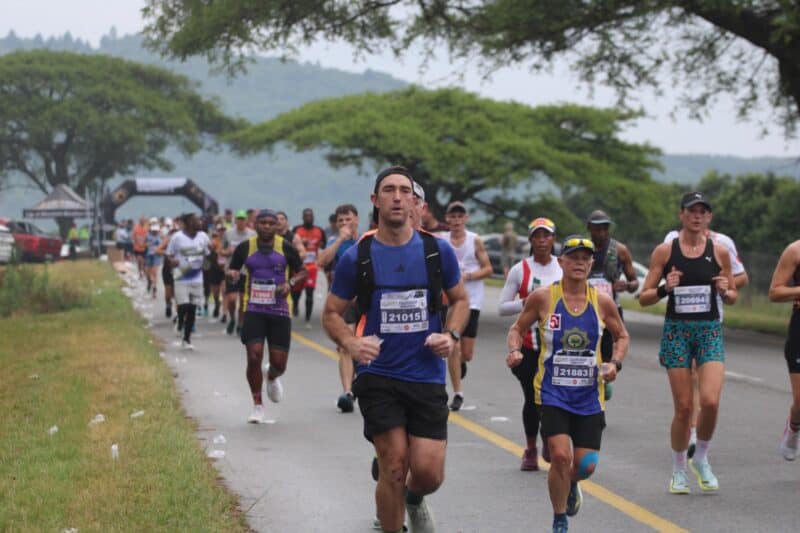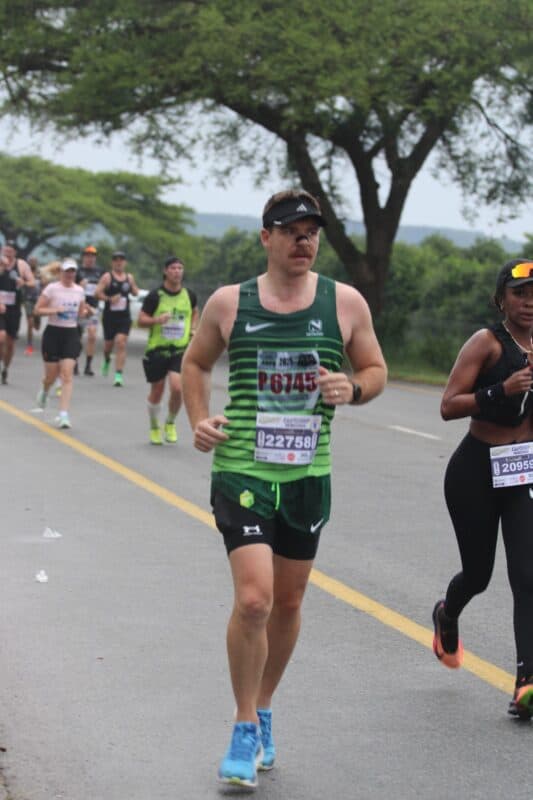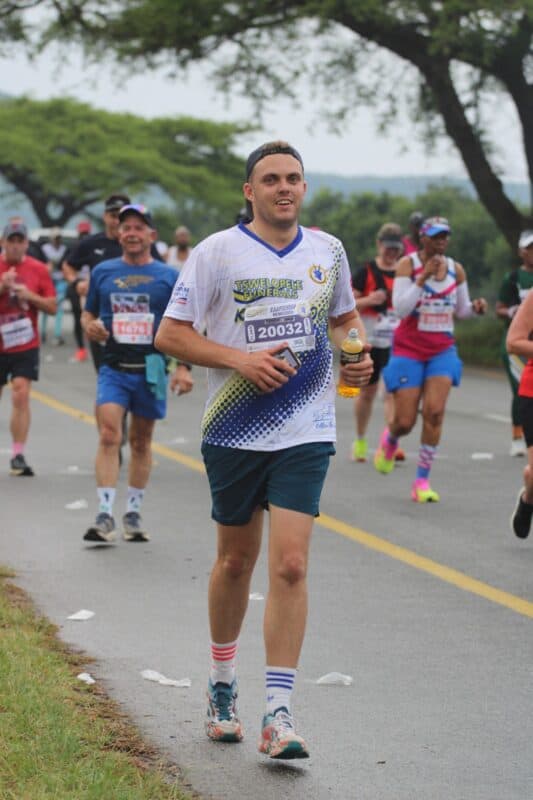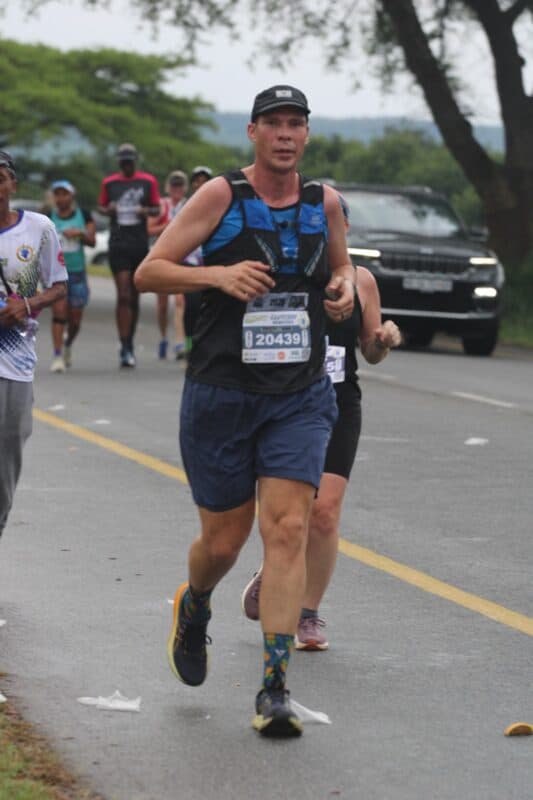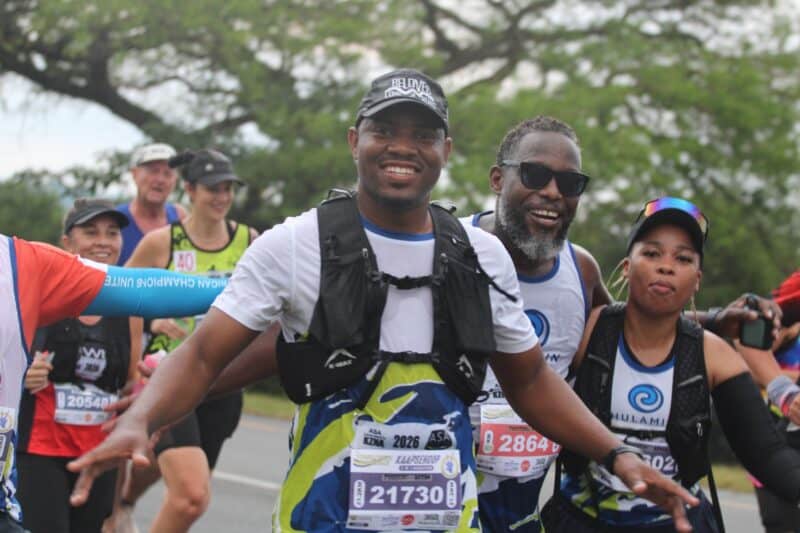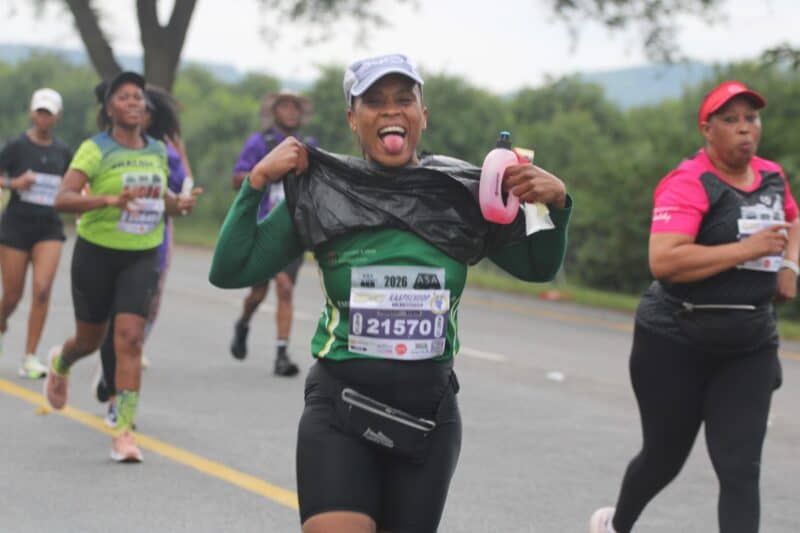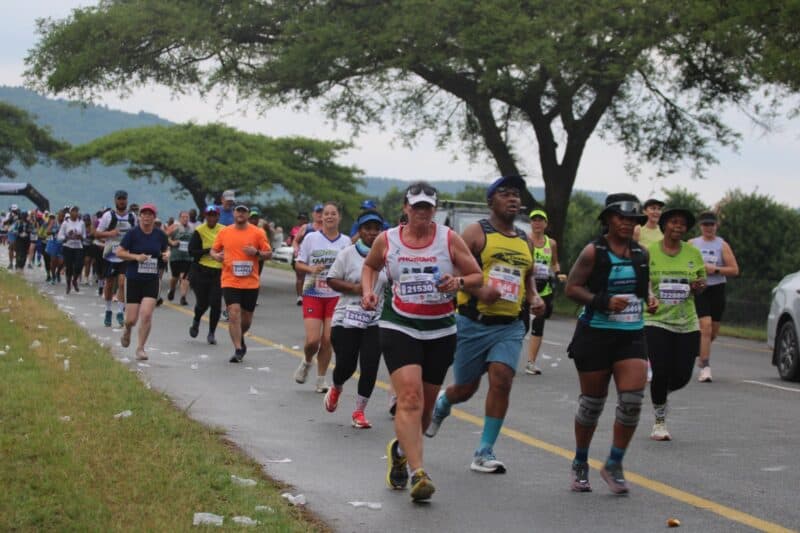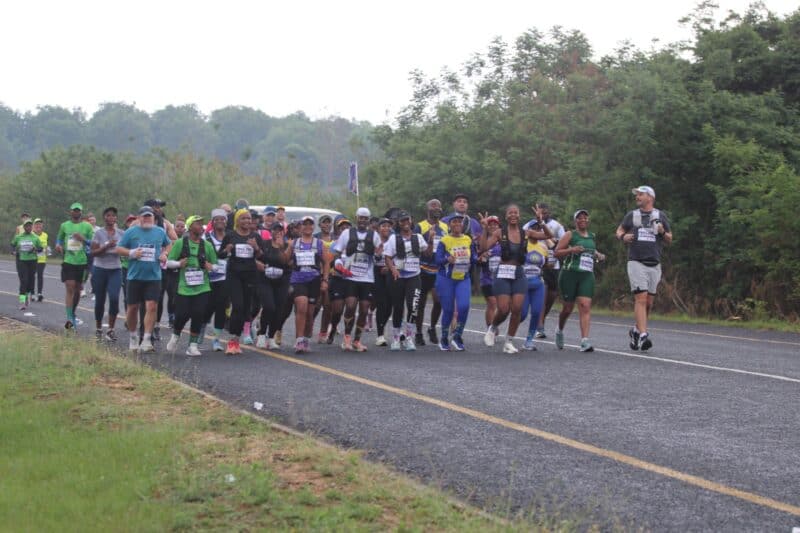
Runners flag safety and traffic woes after 2026 Tswelopele Kaapsehoop 4-in-1 Marathon
More than 8 300 athletes crossed the finish line in Mbombela, but hour-long delays, missing medals, and trucks near the starting area marred the race experience.
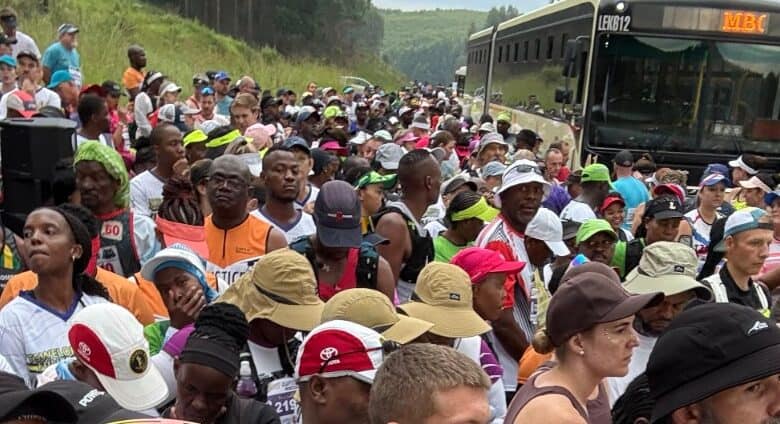
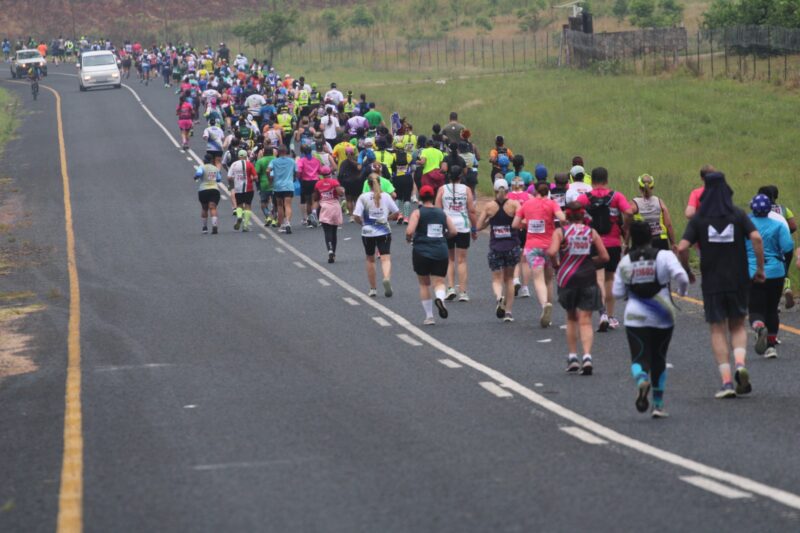
More than 8 300 runners faced hour-long traffic gridlocks, delayed race numbers, and start-line safety risks alongside moving heavy vehicles at the 2026 Tswelopele Kaapsehoop 4-in-1 Marathon on November 7.
On paper, the 2026 Tswelopele Kaapsehoop 4-in-1 Marathon demonstrated the remarkable scale and prestige that have long made it a premier qualifier for the Two Oceans and Comrades Marathons.
With 8 389 runners crossing the finish line and elite icons like George Kusche and Mbuti Mollo gracing the field, the hard work of the event organisers and volunteers was evident.
However, alongside these achievements, several operational challenges emerged that deserve urgent and thoughtful attention.
For many participants, the race day experience fell short of its usual celebratory vibe, introducing unnecessary stress and safety risks – ranging from hour-long traffic gridlocks and bib delivery delays to dangerous start-line crowding near moving heavy vehicles.
Addressing these critical hiccups constructively will be vital to preserving both the reputation of the event and the safety of its running community.
ALSO READ: Runners honour Antonie van Zijl along marathon route
Elite athletes shine in Mbombela
Since its inception in 1985, the Kaapsehoop Marathon has grown steadily to become a cornerstone of South Africa’s road running calendar.
Serving as an essential qualifying event for both the Comrades Marathon and the Two Oceans Marathon, the 2026 edition drew high-calibre talent to Mbombela.
Notable figures in attendance included Comrades winner Kusche and Mollo, who placed third in the 2026 Comrades Marathon.
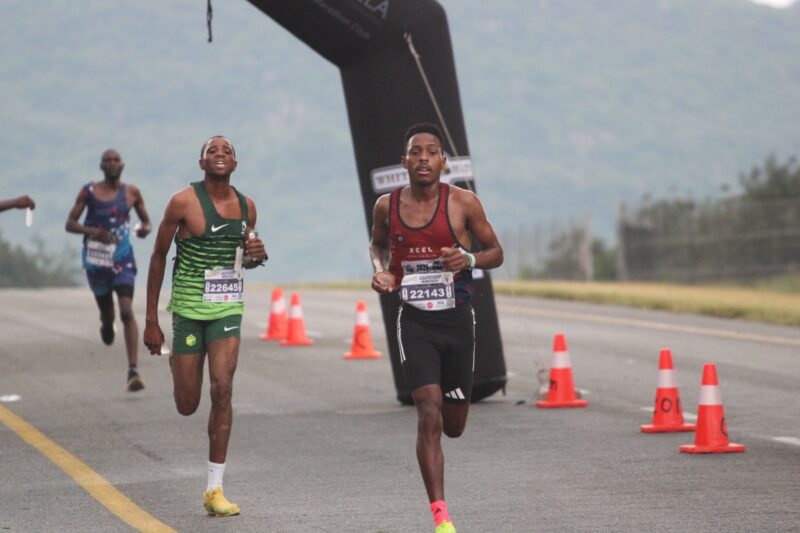
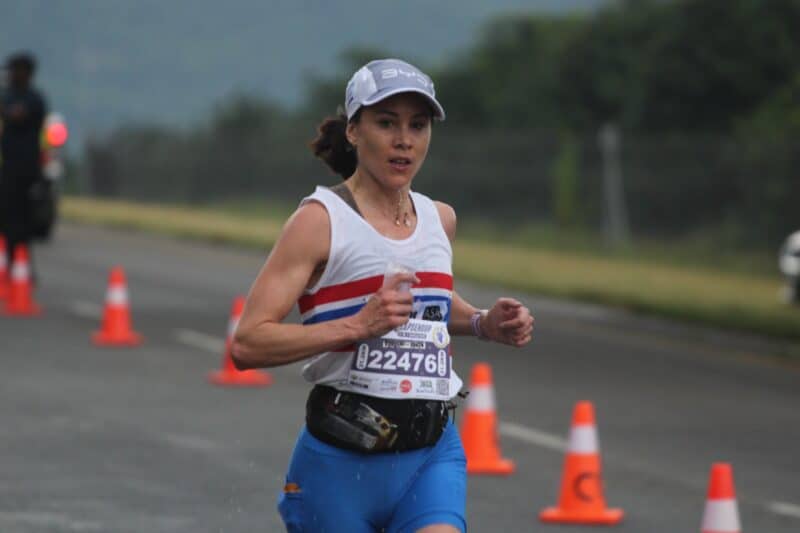
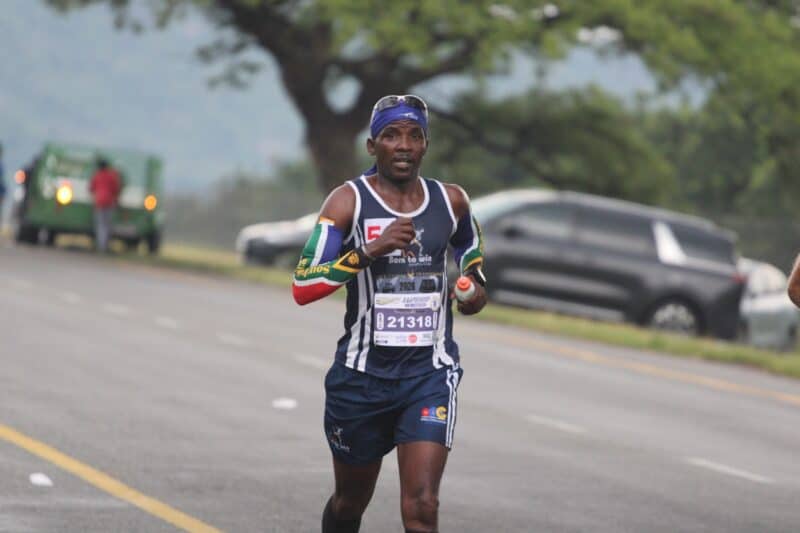
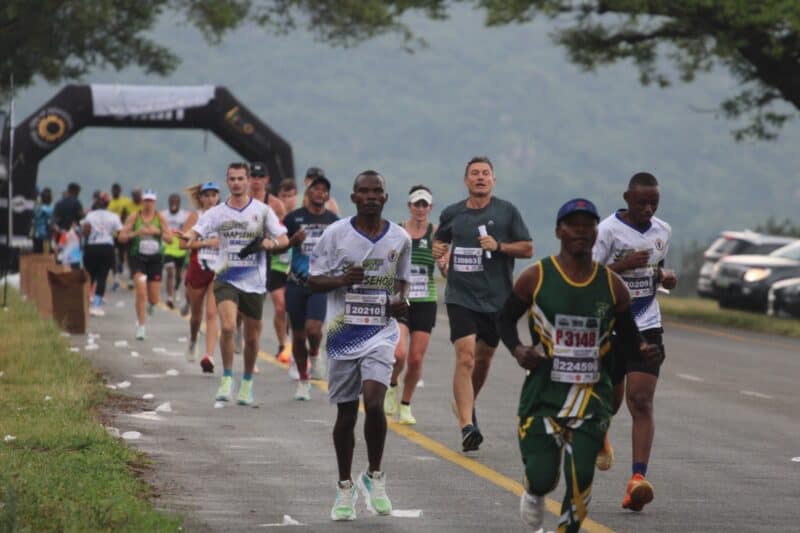
Competitive racing across the 42km, 21km, and 10km distances produced impressive athletic performances despite challenging weather conditions.
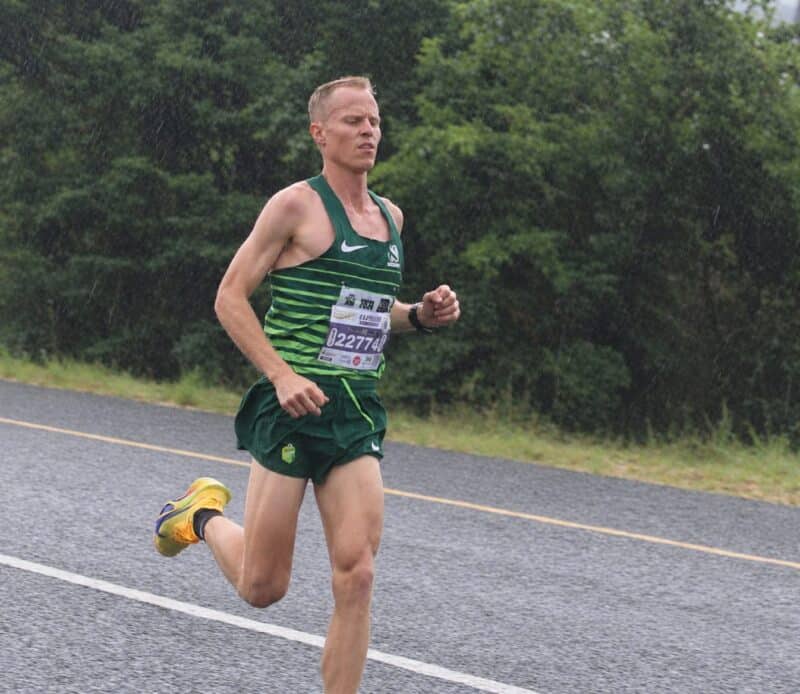
In the flagship 42km marathon, Pule Sibeko secured victory in 02:16:57, holding off Ntokozo Nkonyane by just six seconds.
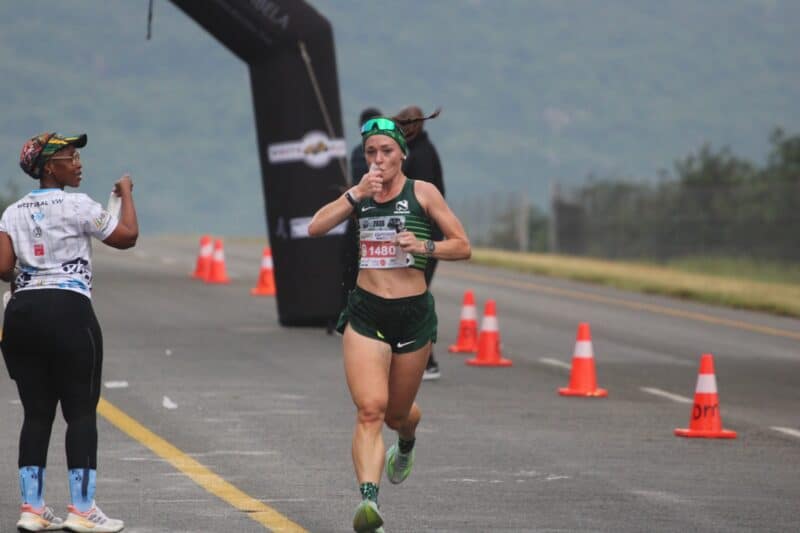
In the women’s marathon, Jenet Mbhele delivered a decisive performance, taking top honours in 02:43:01 ahead of Nobukhosi Tshuma.
ALSO READ: Uplands College twins win silver at 2026 Summer Youth Olympic Games
Traffic and start-line perimeter breakdowns
While the athletic outcomes reflected the determination of the runners, the overall participant experience was marred by significant logistical breakdowns.
Analysis of runner feedback points to systemic friction points across transport, site control, registration and post-race amenities.
A primary concern reported by participants was severe traffic gridlock leading to the event starting points, as insufficient traffic management left runners stranded in vehicles for more than an hour, causing widespread late arrivals.
Shuttle buses transporting athletes to starting locations were similarly delayed.
Furthermore, the official race start was delayed without prior communication to athletes, heightening pre-race anxiety.
Logistical concerns escalated at the half-marathon starting area due to an absence of active perimeter control.
Private vehicles, shuttle buses and even timber trucks operated in direct proximity to gathering runners without designated pedestrian barriers.
When the race start was announced abruptly, shuttle buses and light vehicles remained on the roadway, forcing participants to begin their run alongside heavy traffic.
ALSO READ: Mbombela swimmers secure spots for provincial championships
Bib delays, storm confusion, and missing medals
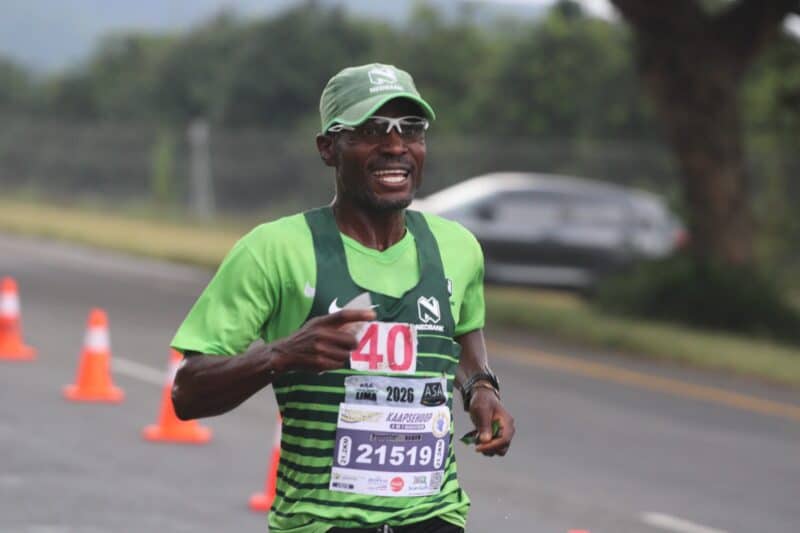
Administrative difficulties affected participants prior to race day. Multiple runners experienced delays in bib distribution and booking confirmations, with several athletes receiving official confirmation and race numbers only days before the event.
Unfavourable weather conditions, including a thunderstorm before the race, tested event management. Participants reported receiving no clear guidance or contingency communications regarding weather protocols.
At the finish line, logistics fell short when medal supplies were exhausted, leaving a portion of 21km finishers without medals upon completing the race.
ALSO READ: 36 Lowveld women take to Nelspruit padel courts for cancer awareness
Organisers promise investigation
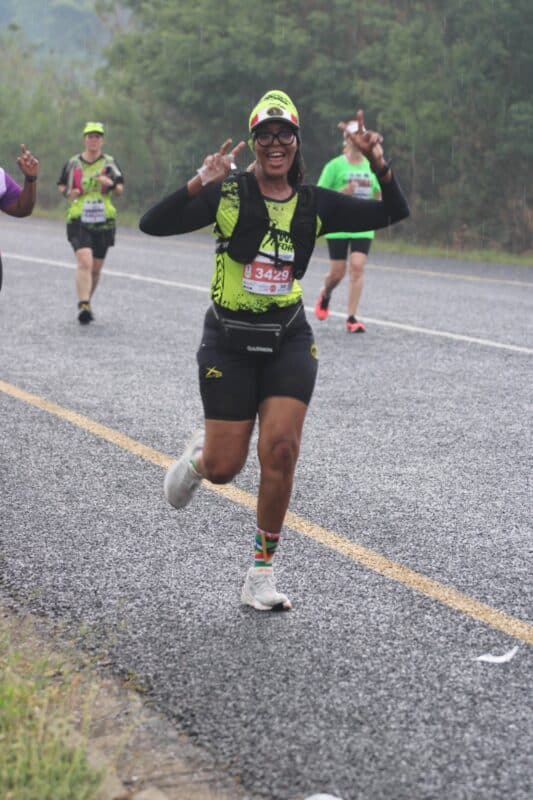
In response to participant concerns, the Nelspruit Marathon Club issued an official press statement on November 10 addressing the event’s operational complexities:
“Nelspruit Marathon Club acknowledges that organising an event of this nature involves the co-ordination of numerous independent stakeholders, authorities and service providers. The club cannot comment on behalf of independent service providers or make assumptions regarding services delivered under their respective operational responsibilities. We will, however, investigate any concerns brought to our attention. We sincerely apologise for any inconvenience experienced by participants. We appreciate the patience and understanding shown by the community.”
The official acknowledgement reflects a willingness to review race operations.
Photo Gallery