
Did you know?
Most consumers would like peace of mind that the products we use daily are not harmful to the environment. Here are some facts about Sappi’s good business journey, which everyone should know:
• Carbon is one of the most harmful greenhouse gases which contributes to global warming. But did you know that the carbon absorbed by plants during photosynthesis is ‘locked up’ in the wood and paper products during its lifetime? And in Sappi’s case, while growing and before harvesting, the commercial plantations absorb 12,5 million metric tons of carbon every year. That is roughly equal to the carbon dioxide produced by
120 000 Boeing 747 flights from London to Johannesburg – or five per cent of all aircraft in the world in a year.
• Sappi plantations release more than eight million tons of life-giving oxygen annually. Good for you and good for the planet!
• The high rate of carbon absorption by Sappi’s plantations means that, if taken from cradle to grave – in other words, taking both the carbon absorption from the plantations and the emission from manufacturing processes into account, they absorb more carbon than they emit. Sappi used the Forestry Industry Carbon Assessment Tool (FICAT), a greenhouse-gas inventory calculating process,
co-developed by some of the main pulp-and-paper industry bodies worldwide, to establish this.
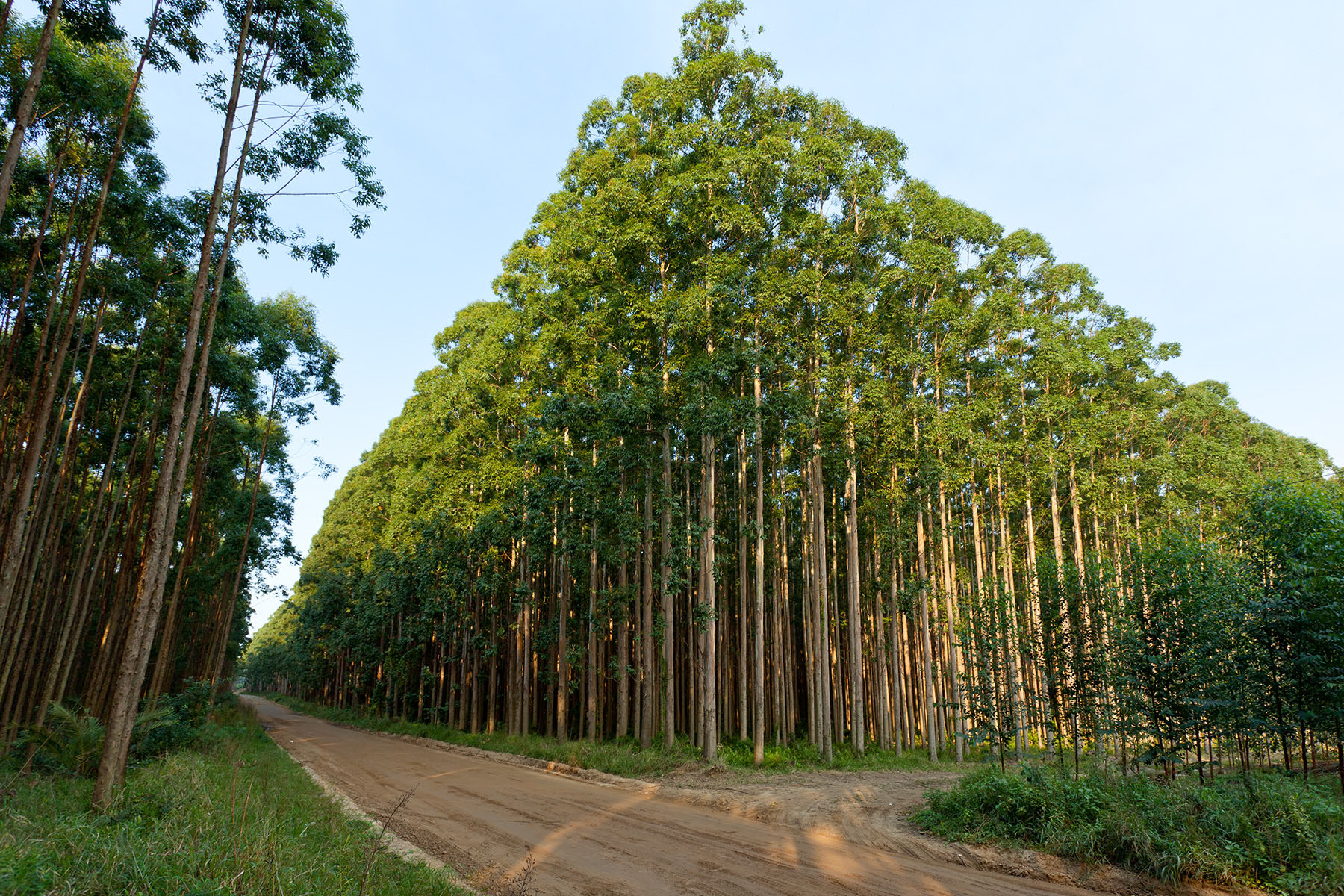
• Many consumers are rightly concerned about the deforestation of tropical forests which contributes from 17 to 20 per cent to the world’s greenhouse gas emissions. However, harvesting in Sappi’s plantations is not equal to deforestation; it does not use indigenous trees to produce paper. In Sappi’s plantations harvested trees are replaced and consequently the process of absorbing carbon dioxide continues as the new trees grow on average. Sappi plants 1,2 trees for each one harvested.
• More than a third of Sappi’s land is managed in its natural state for conservation purposes, such as managing natural habitat for species conservation.



