
Book review: The Puppet Boy of Warsaw
For various reasons, World War II novels do not count among my favourites. Maybe it’s because of the often graphic content, the haunting cries of human pain and suffering and the disquieting realisation that something just as horrible is constantly on the verge of happening. But The Puppet Boy of Warsaw by Eva Weaver is a well-written and inspiring novel, a must-read.
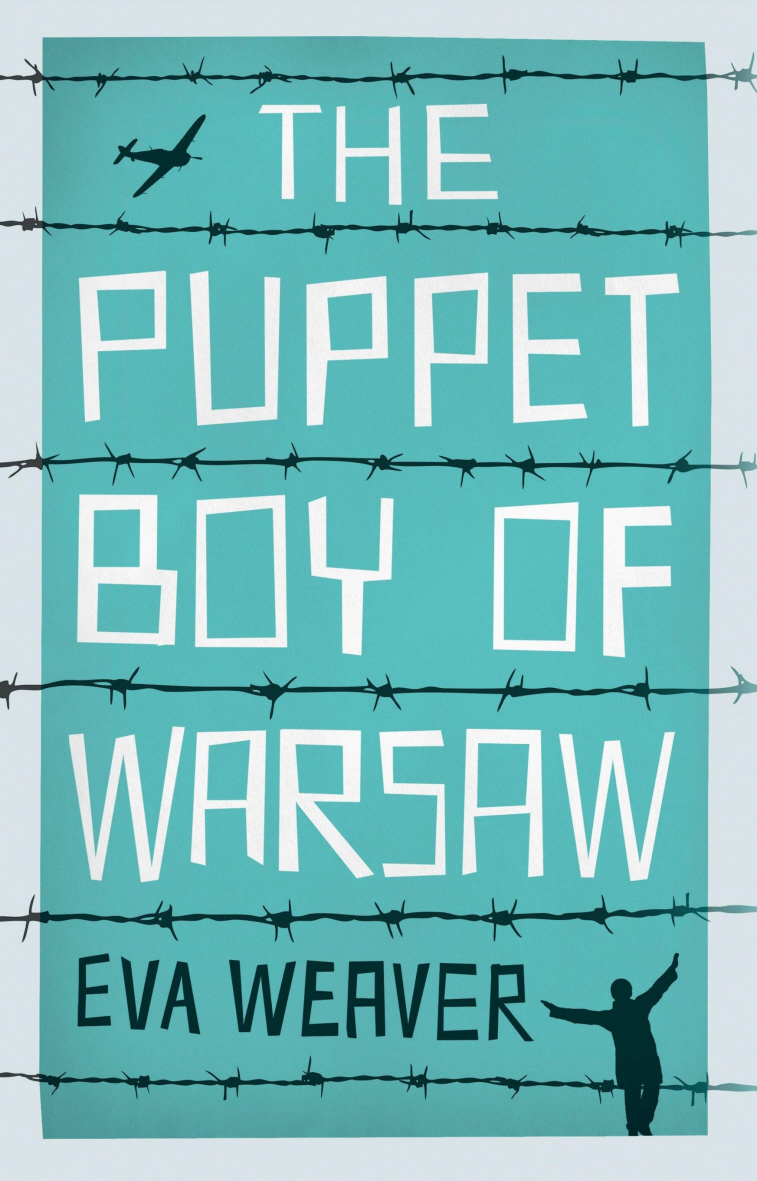
Book review:
The Puppet Boy of Warsaw by Eva Weaver
Rating by Goodreads: 4.03/5 (www.goodreads.com)
For various reasons, World War II novels do not count among my favourites. Maybe it’s because of the often graphic content, the haunting cries of human pain and suffering and the disquieting realisation that something just as horrible is constantly on the verge of happening. The Reader, The Boy in the Striped Pyjamas, The Pianist and Sophie’s Choice are examples of disturbing Holocaust novels.
Now and again a truly inspiring WWII story appears in print. The Book Thief by Marcus Zusak immediately comes to mind, but I’m sure that there are many more good examples.
I have just finished The Puppet Boy of Warsaw – a WWII/Holocaust novel I reluctantly read on my mother’s insistence. And it took me by storm. I could not for the life of me put it down.
The reader is not spared the monstrosities and the story of the initial stigmatising, gradual, growing oppression and the eventual genocide of the Jews, is told without using euphemisms. For this reason, it is not for the faint-hearted.
Throughout the book the author succeeded in absorbing me into the desperate fight for survival. I could literally taste the fear and feel the hopelessness of the dire situation in which the Jews found themselves. But punishment and extreme suffering were not limited to them. After the war, many German soldiers previously stationed in Warsaw, were sent to Russian labour camps or the Gulag in Siberia.
The book has many themes and facets. But the one thing I will always remember is the author’s very successful illustration of the fact that every single situation has many different viewpoints. This is accentuated, in my view, in two ways: Firstly different people’s stories and impressions are told and described by a puppet’s journey. The puppet stays the same, but the viewpoints change as the owner changes. Secondly Mika’s grandfather not only left him puppets, but also an interesting coat. It coat has many hidden pockets and is a treasure trove of secrets. The content depends on the pocket you “visit”.
The puppets were made by Mika’s grandfather before the Jews were banned to the ghettos of Warsaw. After he was killed by German soldiers for no good reason, Mika inherited them and the Prince puppet became his best friend and partner. He cherished it and in return the Prince helped him to bring hope and fun to extremely desperate times. He regularly visited the most cramped corners of the ghetto, a children’s hospital and an orphanage to lift broken spirits with his puppet shows.
But then a German soldier, Max, discovered his talent and he was forced to entertain bored soldiers once a week at their barracks. Later Max saved his mother and aunt from the dreaded Treblinka extermination camp. In return and out of gratitude, Mika gave his beloved Prince to the soldier. From then on the puppet accompanied him on his horrible journey to Siberia, became his only friend in the Russian Gulag and escaped with him back to his hometown, Nuremberg. The Prince later travelled with Max’s granddaughter to New York, where Mika then lived with his daughter and grandson.
The roles of the puppets and the Prince in the lives of the two main characters are illustrated in the following quotes:
Mika told his grandson: “Before I met your grandma, I still occasionally put on my old pocket coat, and in those first lonely weeks, the puppets gave me company – only they knew the full extent of my losses. Every so often I would take them out: the monkey and the crocodile, Hagazad and the fool. I didn’t touch the soldiers. I never wanted to see them again. I could never bring myself to play with the puppets again, only laid them out next to each other or held them in my lap – my sad little family’.”
Just before Max died, he entrusted the Prince to his son, Karl, with the following words, “Karl, I want to give you this dear friend of mine. Please treat him well. He might not look like much, but he’s my companion, a witness to all my trials. This puppet has more life in him now than I do. Let him be a comfort to you and Mara.”
The Puppet Boy of Warsaw by Eva Weaver is a well-written and inspiring novel, a must-read.
A more complete discussion of the book can be found at bookkunkiesanonymous.blogspot.com.



