
Reflections of my misspent youth
I did a quick mental calculation. It had been close to 60 years since my feet last strode this pavement. They were smaller then of course...
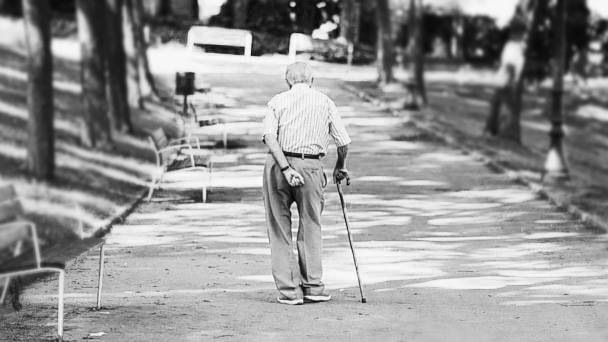
Had the day been kinder the strange feeling of apprehension I felt as I entered the street might not have been there. As it was, the sky above was overcast and the blustery wind threatened rain. I turned up the collar of my raincoat and pressed on towards number 14, at the same time marvelling that nothing had changed, not even the weather.
I did a quick mental calculation. It had been close to 60 years since my feet last strode this pavement. They were smaller then of course, much smaller, and I wore boots, kiddies lace-up boots at the tender age of seven. Crossing the road, I slowed my pace to a dawdle as I passed the “Sally Army” Home for Wayward Girls. I`d found out about the place years later from a fellow scholar. Built in red brick it stood four stories, with white sash windows that were never opened and an iron fire escape at either end of the building. Poor girls.
Twenty more steps and I stood outside 14 Walton Street. The double-fronted Victorian house sported a cellar with two floors above plus an attic in the roof. My heart began to beat faster. Not through any physical effort on my part, it could only have been with excitement. I was elated. At 75 I’d made it back to the place of my birth. I stood for some time looking up at the front door. Unmoved, it still looked the same. Two colourful stained glass panels and a blackened brass knocker and letterbox.
The bay window to the left of the front door had its curtains open. Standing on tiptoe I peered in. The memories came flooding back. 1932. I was eight years old, and the man in the cycle shop on the corner made wireless sets. Ours arrived complete with headphones, cat’s whisker and crystal the night my dad was taken off to hospital. Wrapped in a blanket and doubled up with pain his curiosity got the better of him. Staggering across the parlour, he stopped to peer at the tiny wooden box with its large centred tuning knob. Turning to my ma he spoke the last words I`d ever hear from him. “So that`s a wireless set, Emma?”
He died in hospital. Heavily embalmed, Dad’s body lay in state in our front room for over a week. The heavy perfume from countless wreaths and bouquets pervaded every square inch of the house. I got sick from it, and even now I find it hard to enter a florist shop. That kind of memory dies hard. When the time came to say goodbye, Ma brought a footstool for me to stand on. Leaning into the depths of the satin-lined coffin, my lips barely touched his wax like forehead. “Goodbye, Daddy.” I shivered.
The bay window to the right of the front door was our parlour. Living room I suppose you`d call it in modern times. I chuckled to myself remembering the time when my sister and I lost the half crown Ma had given us in the fire. We were fooling around with it as Mr Goldby emptied the last sack of coal into the cellar. It lay bright among the hot ashes. Did we panic. Goldby helped retrieve the coin and cooled it down in the scullery sink before putting it in his pocket. We really were little tykes.
I kissed my first girlfriend in that parlour too. A disaster. I thought plying her with sweets might have softened her up. Alas, she threw up on the carpet, ruining any chance of getting to know her better. My first lesson in love perhaps? The wooden-slat fence I climbed on to watch the world go by had gone. Replaced by a diamond-mesh security-type palisade. Standing on the middle batten of the old wood fence, we kids watched in awe as the airship R101 flew a few hundred feet overhead. Its huge envelope of helium gas cast a shadow that hid the entire road from the sun. Of course we had no idea that the airship, on its maiden voyage, was heading for disaster. It crashed into the French countryside on October 6, 1930 with only six survivors.
Still the childhood memories tumbled through my mind. I turned to walk from the house when I noticed an odd windowpane. The putty holding the glass in place had been applied without a hint of professionalism. My dad was no handyman, I guess he did his best. Then I remembered my friend Dixon. His boot, never laced, had flown from off his holey-socked foot and crashed through that pane of glass, landing fair and square on the parlour table. Terrified, Dixon and I fled the scene. Later my dad had leathered me for being a ruffian. Kicking jam tins up and down our street was damn near a mortal sin to him.
In those days I had loved Dixon with a passion that was almost immoral. He was my friend, confidante and hero all in one breath of delicious expectancy. Both around seven years of age, our backgrounds were as far apart as the poles of the earth. He, the son of a coal heaver from Liverpool, and myself the son of a respectable dairy farmer, with a shop in the High Street and strawberry jam for tea.
The London County Council School we attended afforded me the kind of freedom that my adventurous soul longed for. Indeed, Dixon epitomised everything that I was not.
Puny and undernourished to the extreme, the lad was beautifully obscene. His constant repertoire of foul language was unsurpassed. The obscenities that rolled off his tongue kept me in raptures indeed, he could match most seagoing sailors, and even Muff Jessop, our village idiot, wasn`t in the running. Dixon weathered the English winters wearing tattered hand-me-down trousers and holey misfit jerseys. These, with a pair of steel-studded boots, never laced, with tongues that lolled out like a couple of hounds at a race meet.
On those frosty winter mornings his badly chapped lips would bleed from the open sores. Without complaint, he`d wipe them on his sleeve, and utter the F word which seemed to fend off most of life`s trials and tribulations. As my admiration for him grew, slowly but surely, and with a little help from the devil I became the boy that I wanted to be. Dixon was also the best pisser in our school. Something I envied most of all. For a two-penny bag of sherbet he would demonstrate his prowess by urinating over the dividing wall that separated us from the girls’ ablution block. All of eight feet high, it was no mean feat for the pint-size urchin that he was.
The day I invited him to my home remains in my memory forever. My mom and dad just happened to be in conversation with the Rev Isherwood, our local minister. Our sudden appearance at the doorway all but gave my mom a touch of the vapours, and the curious look on my dad’s face clearly indicated all was not well. My beloved friend stood at my side in all his glory. Despicably dirty, snotty nosed and mud-caked knees, torn trousers and those special boots with the lolling tongues.
My dad gagged on his mid-morning sherry. “Get out,” he roared. “Get out you.. you… you ruffians.” We got out of course. Our visit was not entirely wasted, however. The two half-smoked dog ends that Dixon skillfully stole from Dad’s ashtray soothed our frayed nerves as we sat smoking beneath the laurel bushes at the bottom of my garden. Later that day we appeased our disappointment by following old Mr Paulfrey`s horse and cart. Collecting horse manure was our only source of revenue. Carrying our bucket, we had gone a good two miles before the old mare obliged. The fresh mounds of dung steamed in the keen late-afternoon air. Using bare hands we joyfully scooped it up and carried it back to the council allotments, where the gardeners of the town would gladly give a penny for our trophy.
Closing my eyes I offered a prayer for my best friend ever. I heard that he`d died on the battlefields of Torbruk during WWII. A hero? I very much doubt it. The front door of number 14 suddenly opened and I found myself staring into the dark eyes of an Indian woman wearing a traditional sari. “Ere, wot you staring at mate, are you lost or summink?” Rudely hurled back to the real world I turned and walked away.



