Penryn’s hockey boys show true character
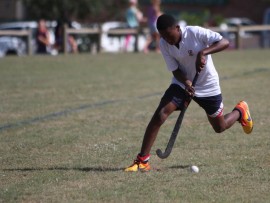
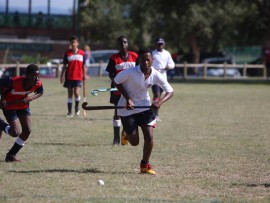
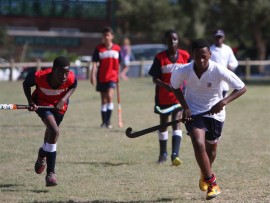
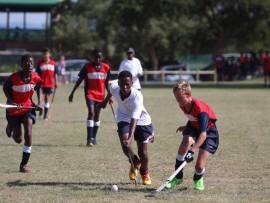
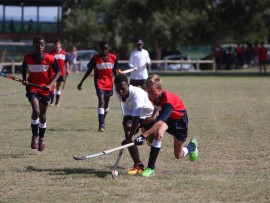
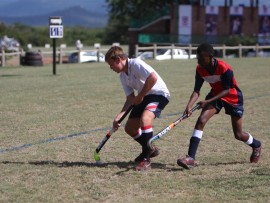
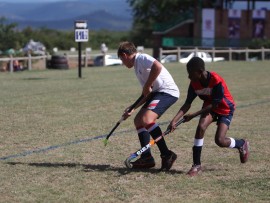
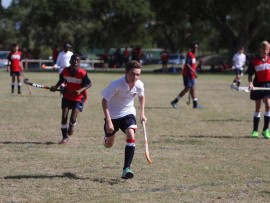
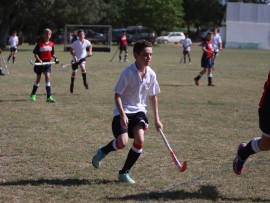
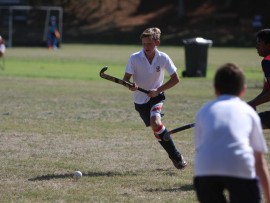
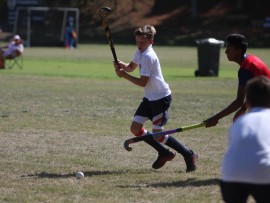
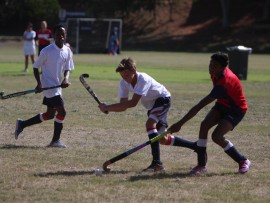
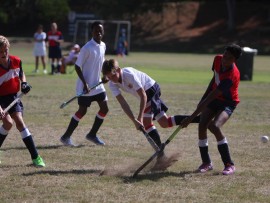
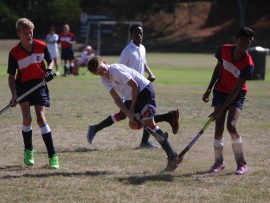
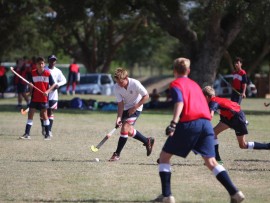
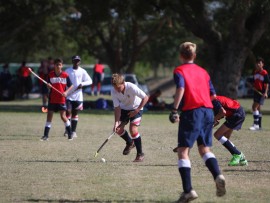
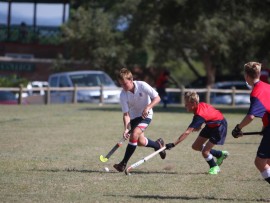
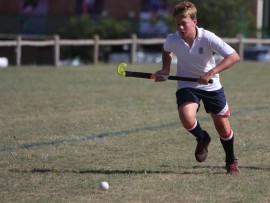
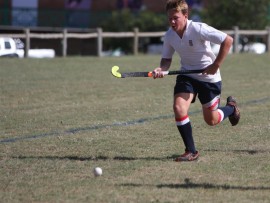
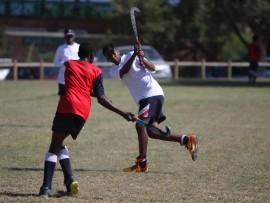
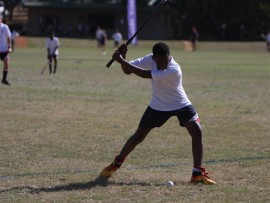
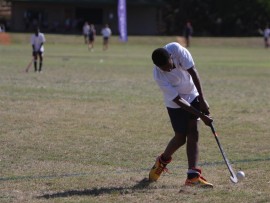
The hockey boys of Penryn College only lost one out of five games played with the boys first team at the end of the whistle drew three-all against Cornwall Hill College this past weekend.
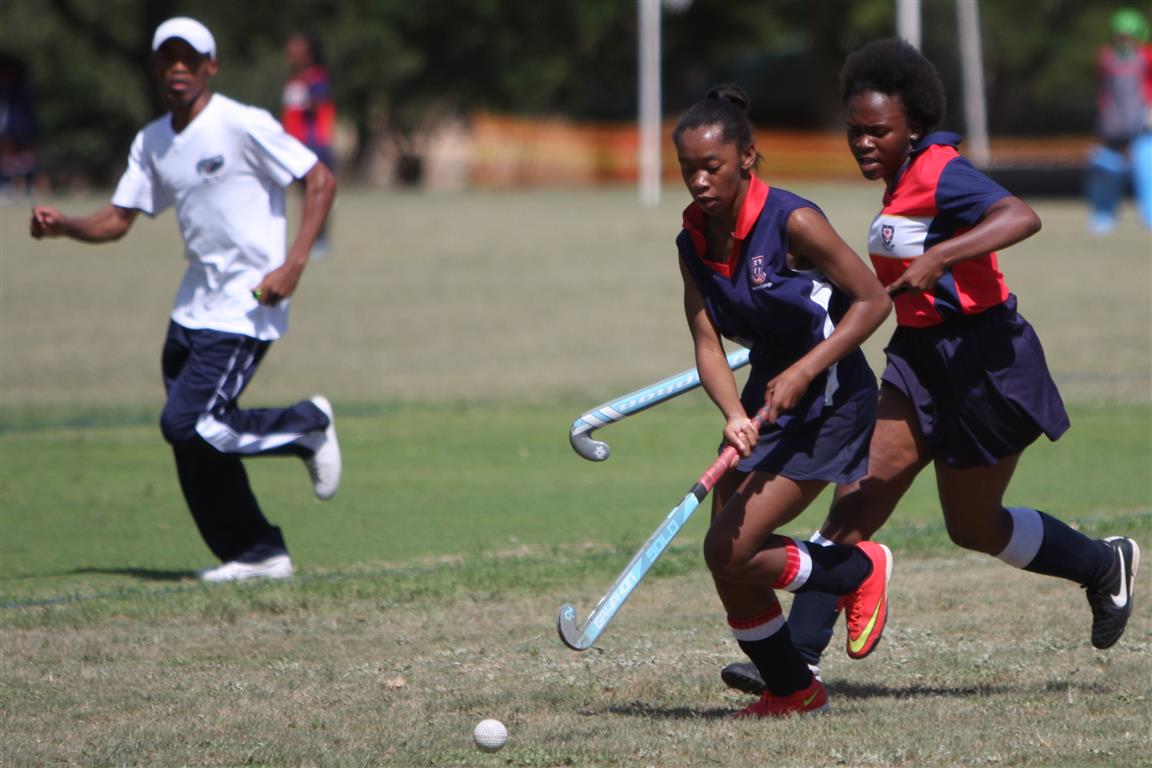
Penryn’s Liam Short, Hadrick Coertze and Sean Bellis was the goal scorers. “It was a tough first game of the season. We used the game to finalise the selection for the upcoming independent schools festival to be held at St Davids. We are very proud of the boys – they showed character to come back to equalize,” said head coach Misty-Jane Reingruber.
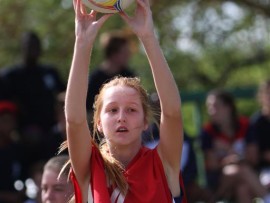
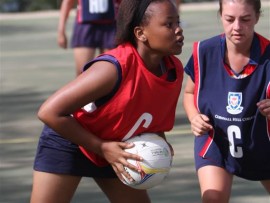
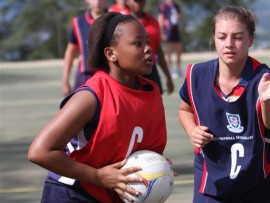
The first-team netball was very unlucky to lose their game against the visiting side 30-4. It was a close game between the u/16 B’s and u/14 A’s with Penryn winning respectively 8-7 and 11-9.
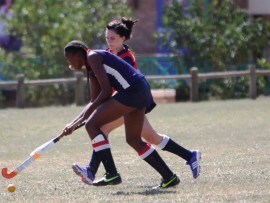
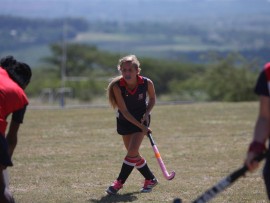
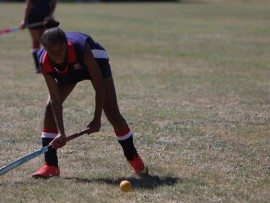
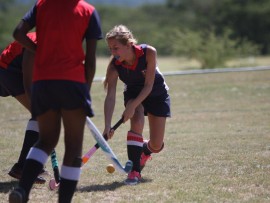
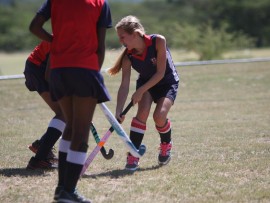
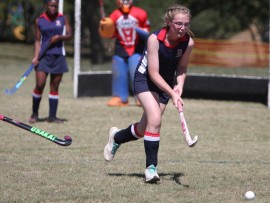
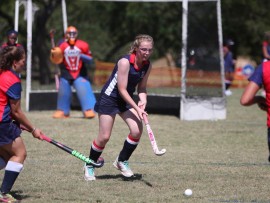
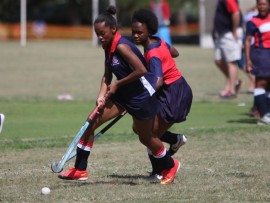
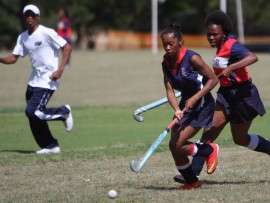
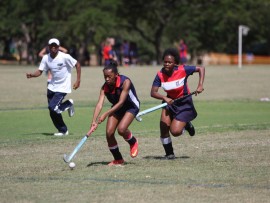
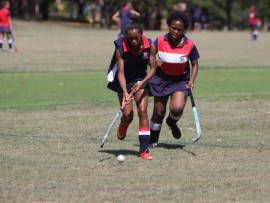
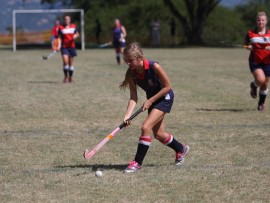
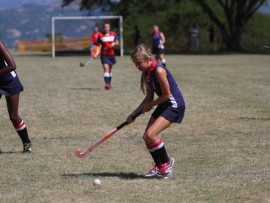
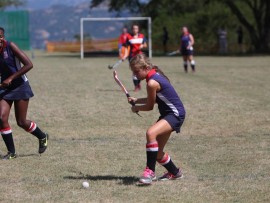
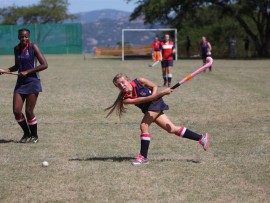
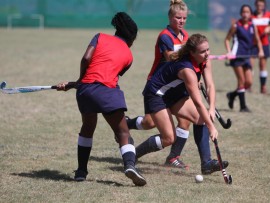
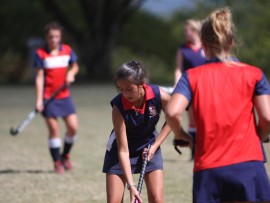
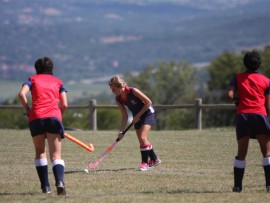
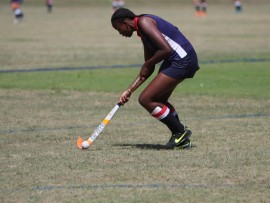
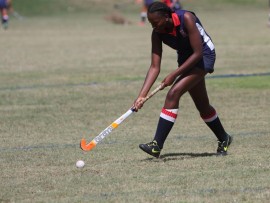
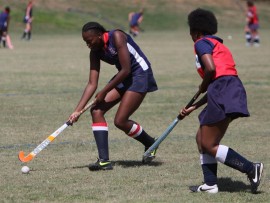
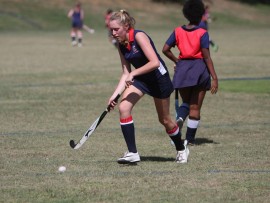
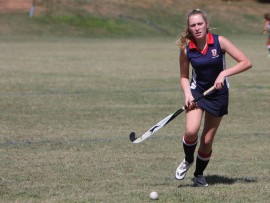
The girls first team hockey, also lost their game 0-3, but it is still early in the season. The second team beat Cornwall 2-0 and the u/16 B’s was also on the winning side beating the Pretorians 2-0.
This weekend Penryn’s rugby teams have the opportunity to showcase their schools with the u/14’s and u/16’s playing Lowveld High School and the u/15’s and Penryn 1st XV up against Komati.



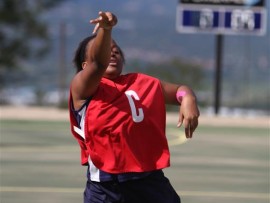
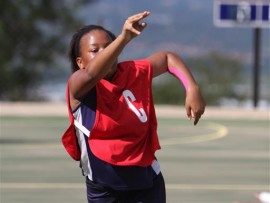
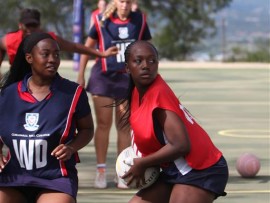
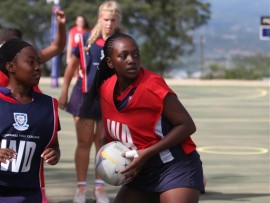
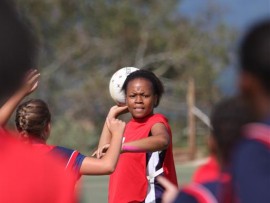
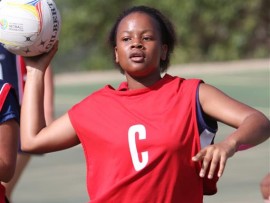
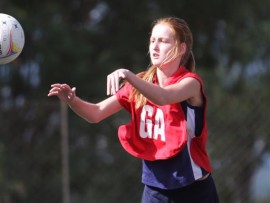
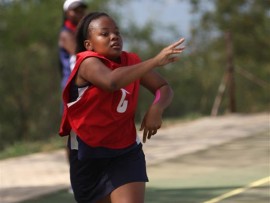
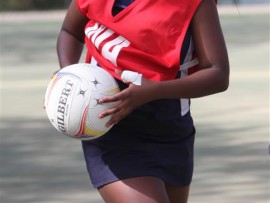
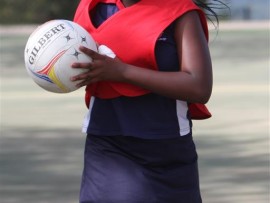
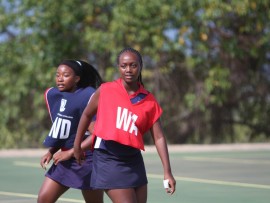
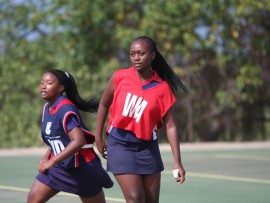
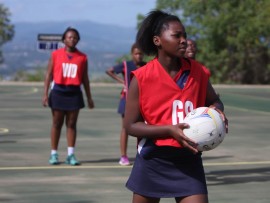
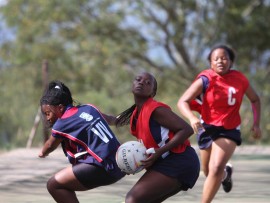
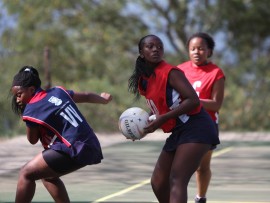
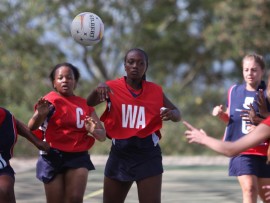
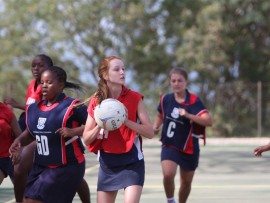
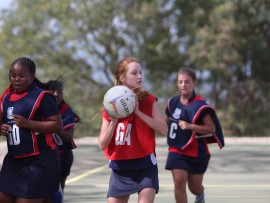
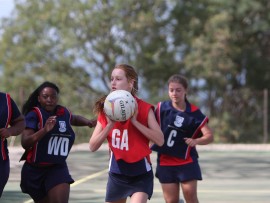
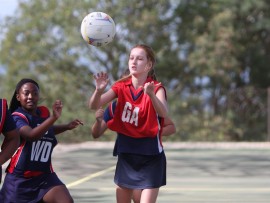
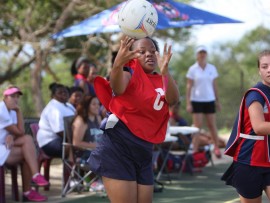
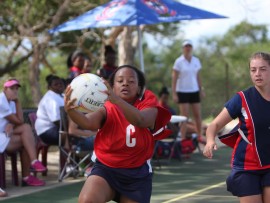

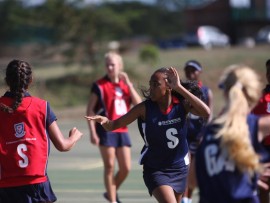
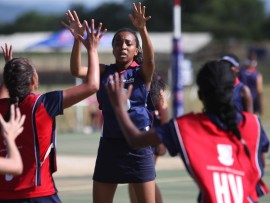
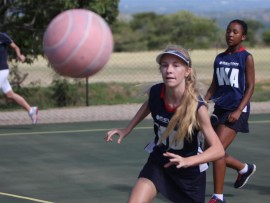
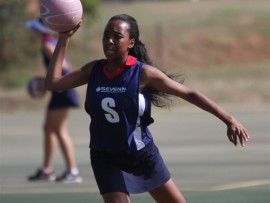
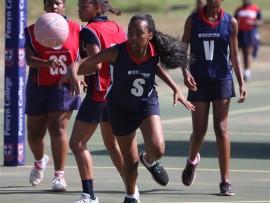
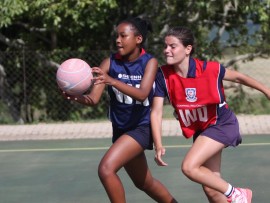





The International Netball Federation announced last year 17 new rule changes in netball which came into effect at all levels in January.
Netball from 2016 will be a quicker, less fragmented game but while attackers and fans are likely to be delighted, defenders may not be so enthused.
Outlaw-style injury time outs, eliminate unnecessary whistle-blowing, allow players to take a penalty without waiting for the offender to be out of play and let centre players have just one foot, not two, grounded in the centre circle, before a centre pass.
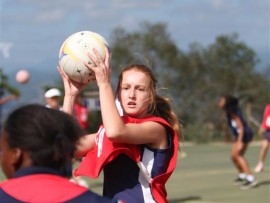
The other major change sees the spectacular defensive lift effectively banned, much to the dismay of defenders.
With the exception of the latter, the changes are clearly designed to speed up match play – with a view to attracting new fans to the game.
Change 1
All stoppages for illness/injury or blood on a player are now 30 seconds and the player concerned must leave the court.
For more serious injuries, umpires may extend the time for the player to leave the court.
Previously: The first stoppage in each quarter for injury/illness was two minutes
(per team) and the player could remain on court after treatment. The second stoppage was 30 seconds and the player had to leave the court. All blood stoppages were up to two minutes.
Change 2
For a centre pass, the centre must stand with at least one foot wholly inside the centre circle.
Previously: Both feet in the centre circle/not outside circle.
Reason: speed up play.
What does this mean in practice?
• Ensure one foot is entirely inside the centre circle (line is part of circle) – this foot is the ‘landing foot’
• Other foot may be in the air, in the centre circle or outside
• As soon as C has one foot in centre circle, the umpire will blow the whistle
• Players should be aware they need to position quickly after a goal
Change 3
Once a player taking a penalty pass is in the correct position, the player may either choose to play the ball immediately or wait for the infringer to stand out of play.
Previously: The player taking a penalty pass had to wait until the opponent was standing out of play.
A player who did not wait until the penalty was ‘set’ was penalised.
Reason: better options for the attacking team and speeds up play.
Note: three seconds is measured from the time BOTH players are in position.
What does this mean in practice?
• Once in position, the player may pass/shoot before the opponent is in place.
Alternatively the player may wait for the opponent to ‘stand out of play’ before playing the ball
• If the player chooses to play the ball immediately, the sanction (penalty) will not be awarded again unless the penalised player infringed further
• Players and coaches need to be able to assess the advisability in different situations of playing the ball before the infringer is in position
Change 4
A defender may not deflect a shot at goal on its downward path towards the ring (this includes touching the ball up through the net).
Previously: This was not covered specifically.
Reason: Innovative ways of defending a shot – lifting a player
What does this mean in practice?
• A defending player may be lifted to deflect a shot
• Touching/hitting any part of the goalpost (including the net) is not an infringement in itself, provided it does not cause the shot to miss (or it is used for balance/support)
• Deflection of a shot can be made during only the upward path of a shot towards the ring.
Change 5
Short pass: When a player passes the ball there must be sufficient space for an opposing player to be able to intercept the ball as it moves from the hands of the thrower to those of the receiver.
Previously: ‘at the moment’ the ball is passed there must be room for a third player to move between the hands of the thrower and those of the receiver’ did not s reflect the distance the ball travelled.
Reason: There must be a ‘reasonable opportunity’ for the defending team to intercept the ball as it is passed.
What does this mean in practice?
• If a player throws the ball against the goalpost and catches it again, this player is both the ‘thrower’ and the ‘receiver’.
Such a pass may be made but the throw must cover sufficient distance that it could be intercepted by a defending player
Change 6
The umpires work cooperatively and may appeal to each other for decisions.
Change 7
Rule 13 – Game Management
Structure for players, umpires and coaches:
• Caution – umpire advises player that a specified behaviour needs to change
• Official warning – umpire advises player that a further breach will result in suspension
• Suspension – player is suspended from play for two minutes
• Ordering off – player is sent from the court for the remainder of the match.
• Advancing a penalty – is now related to delaying play ONLY
Reason: A defined structure of actions for foul play provides clearer guidelines for coaches, players and umpires. ‘Good sportsmanship’ and player safety are foremost in these changes. Any official warning, suspension or ordering off is deemed to be made jointly and is binding on both umpires.
Change 8
A team may have up to five team officials. These will include a coach and at least one primary care person.
Previously: a manager was also specified.
Reason: provides greater flexibility for a team to decide the composition of its team officials.
Change 9
Players’ hair must be suitably tied back.
Reason: Hair may sometimes be a distraction and/or hazard to other players so must now be suitably tied back.
Change 10
If a team has fewer than five players when play is due to start, 30 seconds is allowed for additional players to arrive.
A similar rule applies if a team does not take the court when requested following a stoppage
Previously: 1 minute
• If the player/s arrive within 30 seconds, play starts. A penalty pass is immediately awarded in the centre third by the transverse line nearer to the goal end of the non-infringing team. The C ‘stands out of play’.
• If they do not arrive within 30 seconds, the team forfeits the match.
Change 11
This rule outlines the behaviour expected of team officials and bench players.
• Either umpire may hold time and notify team officials
or bench players regarding behaviour.
Change 12
The player taking a throw in must have at least one foot within 15cm of the line.
Previously: the player must place ‘one or both feet immediately behind the line.
Reason: to clarify the rule
• Stating a distance will provide a better guide for players and umpires to use.
Change 13
Delaying play (either accidentally or deliberately) is considered foul
play – in some cases it could affect the outcome of a match.
Thus a penalty pass is now awarded (previously was a free pass) and play is advanced.
Change 14
The umpire indicates a goal has been scored by raising one arm vertically.
Change 15
When the ball is out of court no whistle is needed unless it is unclear the ball is out.
Research indicates that eliminating whistles in the above cases should reduce the number of whistles in a match by more than 30%.
Change 16
The interval between fulltime and the start of extra time is now 4 minutes (was two minutes). Extra time is now be up to seven minutes- one min (change sides) – seven minutes in length.
Reason: This interval is consistent with other intervals and will allow better recovery and coaching.
Change 17
Although the rule regarding contact has not been changed the opportunity has been taken to clarify differences between ‘contact’ and ‘contest’ as well as to delineate what is ‘interference’.
• players may come into physical contact with each other as they strive for the ball.
• If they do not interfere with each other’s play or use their bodies to gain unfair advantage.
Source: International Netball Federation.