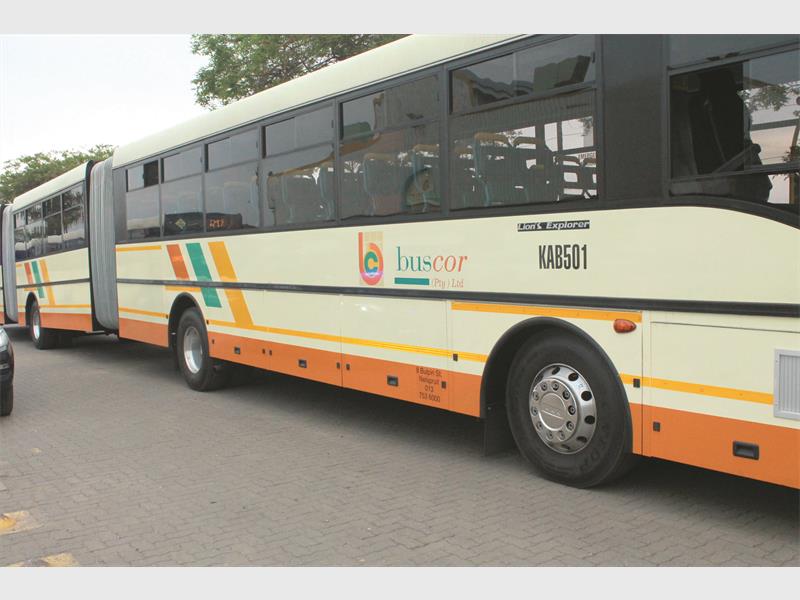
MBOMBELA – Shuttle owners put in place a lot of rules to manage passenger safety and driver behaviour, but most travellers do not know what their rights are when travelling on these shuttles.
Lowvelder was recently contacted by a concerned passenger who complained that she had an unpleasant trip on a local shuttle.
She alleged that the driver of the vehicle was on the phone throughout the journey to Johannesburg and most of the seats in it didn’t have safety belts. The passenger lost her father in a car accident and said the experience she had brought back sad memories. There were also uncertainties on the side of the passenger as the vehicle did not have the original branding of the shuttle service she had booked on.
According to Mr William Schmidt from Limetime Shuttle Service, passengers should be aware of their rights when travelling and they should ask their operators to show them all legal documents if they feel uncertain about a specific operator.
He added that the starting point for a shuttle company would be to obtain a valid operating permit as issued by the department of transport, without which a shuttle is deemed illegal.
Various laws govern transport and road safety in South Africa, of which one is the Road Traffic Act. The Act stipulates what an operator needs to comply with in order to be a legal operator.
Although rules may differ from one company to another, Schmidt said that the most common would be adherence to the pre-trip inspection before every trip.
“A driver is not allowed to leave the depot without doing an inspection. That will include but is not limited to checking the tyres, if lights are properly working, brake issues, vehicle glass and checking that wipers are in good condition,” Schmidt said.
Drivers should also be at the departure point no less than 45 minutes prior to departure time. This will provide sufficient time to do the detailed checks required and to replace a globe or other minor item if needed.
Schmidt added that drivers are not allowed to talk on a cellphone without a hands-free kit. They are also prohibited from making calls or text while driving. “They may only answer calls, using the hands-free kit, from the office that might be traffic- or passenger-related,” he said.
Schmidt also mentioned that passengers may refuse to travel if they suspect any driver of being intoxicated. He also said that most shuttle companies have a calibrated alcohol tester that they use for random testing of drivers. The limit for public drivers is less than normal drivers and is set at 0,02 per-cent blood alcohol content.
Drivers with a count above 0,00 per cent would be stopped from transporting passengers.