SPONSORED | World Water Day 2025: Glacier Preservation
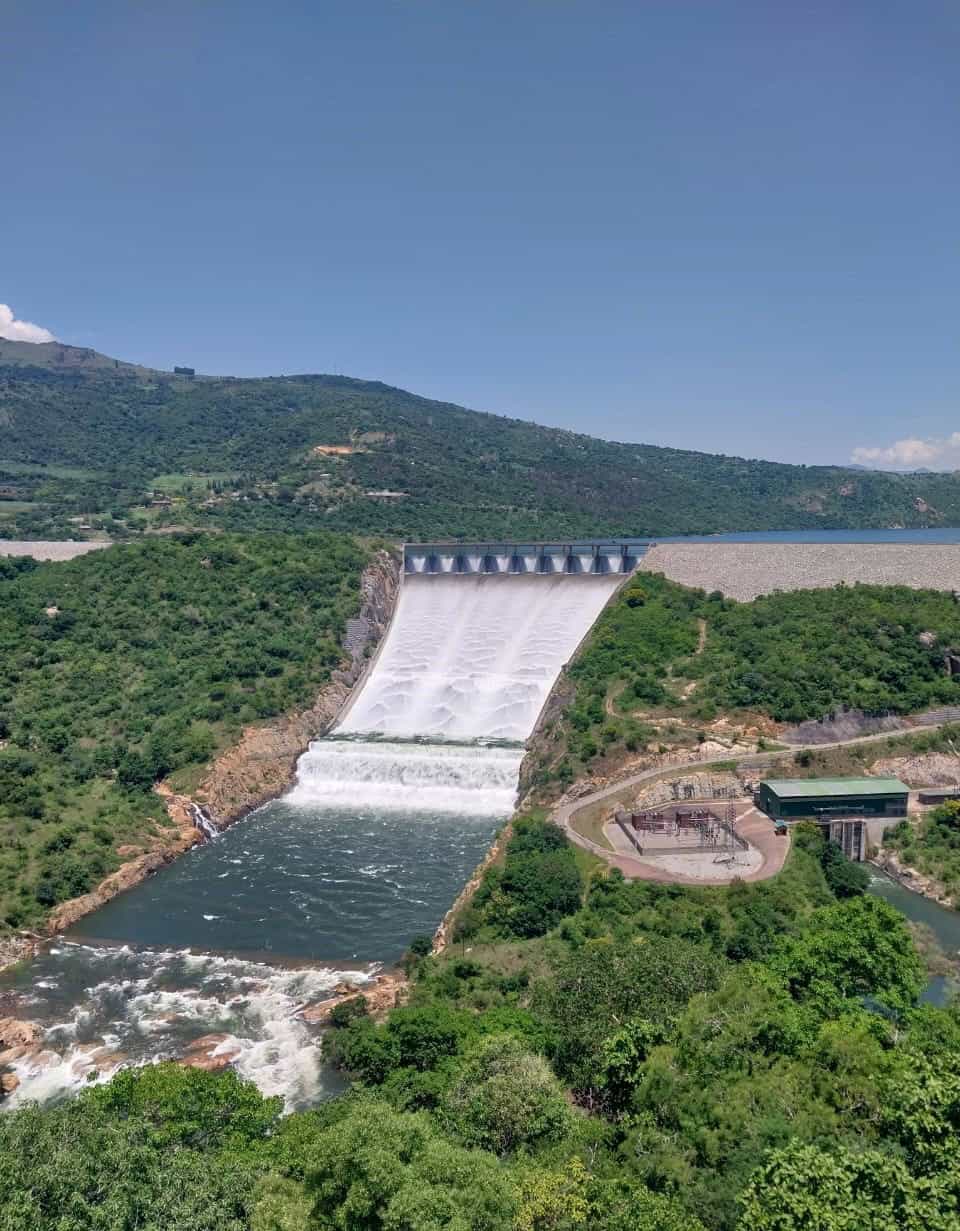
The Komati Basin Water Authority will be commemorating this year’s World Water Day on March 22.
The Komati Basin Water Authority (KOBWA) joins the global community in commemorating this year’s World Water Day, themed ‘Glacier Preservation’.
The purpose of this observance is to raise awareness about the vital role glaciers play in the climate system and the hydrological cycle. Additionally, it aims to highlight the economic, social, and environmental impacts that arise from the accelerated melting of glaciers.
Glaciers are massive bodies of ice formed by layers of snow that have accumulated over hundreds of years and become compacted into ice. They are a crucial source of fresh water, containing about two-thirds of Earth’s supply. They act as long-term reserves of freshwater, supporting ecosystems and human communities around the world. However, their rapid retreat poses a threat to water availability, threatening agriculture and increasing the risk of natural disasters such as floods and landslides. Glaciers play an important role in providing nutrients to rivers and the ocean. When they form, glaciers capture particles and dust that are rich in essential nutrients such as iron and nitrogen, which are crucial for growth and overall ecosystem health. These nutrients are vital to life. During the summer, as glaciers melt, they release these nutrients into rivers and the ocean, enriching the surrounding environments.
Additionally, glaciers play a crucial role in our ecosystem. Yet they are rapidly melting and disappearing. This loss makes the impacts of climate change more visible, highlighting changes that are often hard to perceive in other ecosystems. The melting of glaciers disrupts water flows, which can lead to serious consequences such as floods and rising sea levels, affecting millions of people. It is not too late to protect our glaciers. To achieve this, we must work diligently to slow down global warming which is the primary driver of climate change and poses the greatest threat to our planet’s ice. Therefore, it is essential to mitigate climate change and adapt to the loss of glaciers to safeguard communities and ecosystems. World Water Day 2025 focuses on glacier preservation, highlighting the urgent need for global action to manage the rapidly melting water sustainably, ensuring vital water resources for the future.
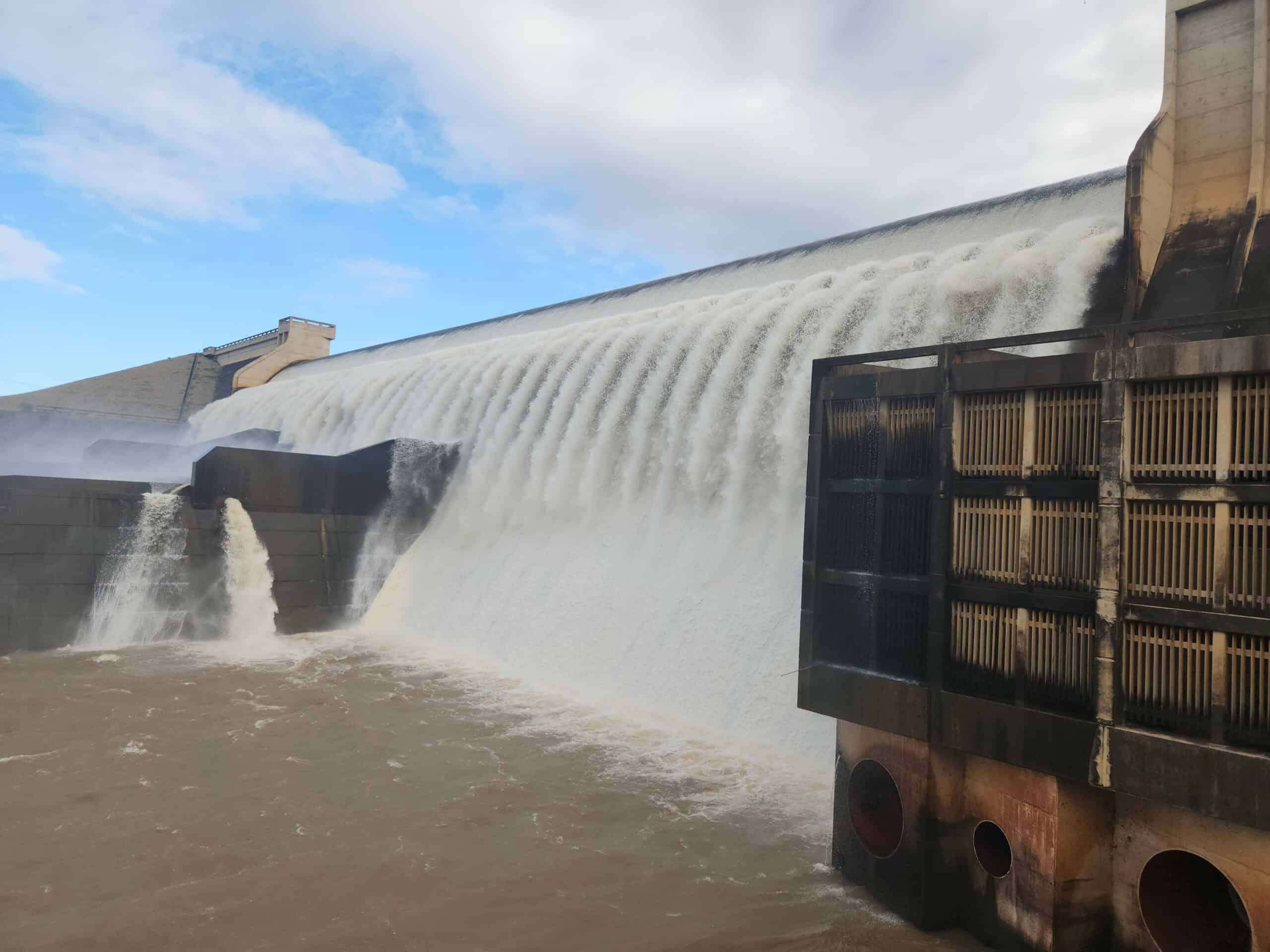
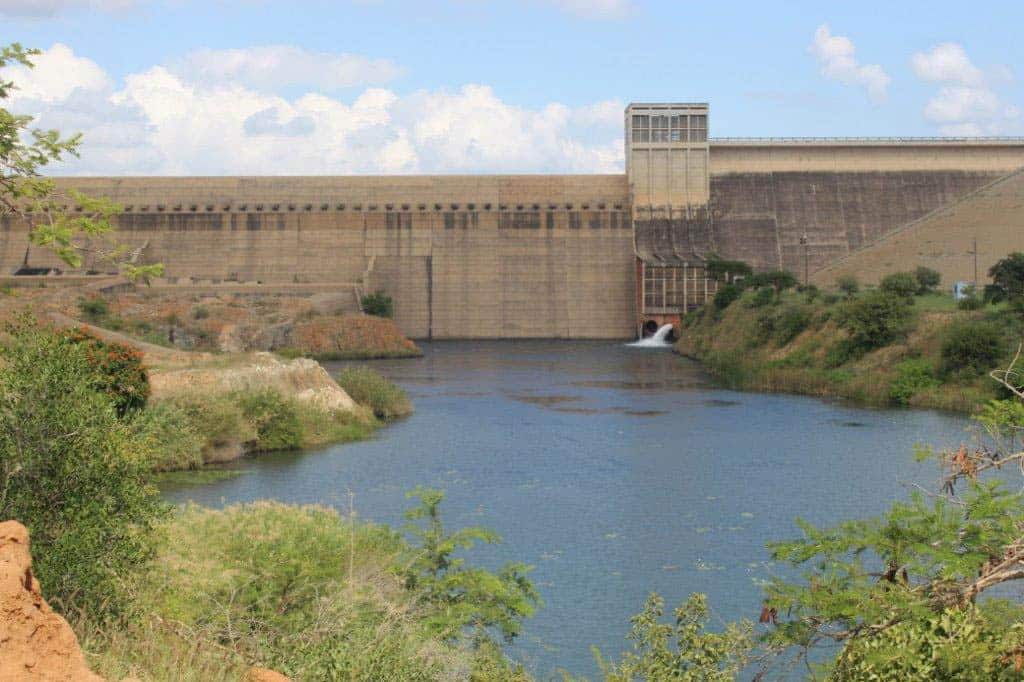
We at KOBWA are committed to protecting glaciers and urge everyone – policymakers, individuals and communities – to significantly reduce greenhouse gas emissions. This we do through working with our two Water Departments in the two Member States to facilitate the production of clean energy sources using the water stored in our dams. We also partake in the annual Arbor Month activities in which we encourage surrounding communities to plant trees which absorb the carbon dioxide which is toxic to the atmosphere. We also encourage the proper disposal of solid waste which, when burned, has negative impacts on the atmosphere and the ozone layer which protects Earth from direct sunlight. This can be achieved by transitioning to renewable energy sources, improving energy efficiency, reducing deforestation and practicing responsible consumption through the “reduce, reuse, recycle” approach.