SPONSORED | Spathodea campanulata: Biodiversity threat?
As part of their environmental responsibilities, the Riverside CID will be removing the African tulip trees located in the Greater Riverside Biodiversity Initiative.
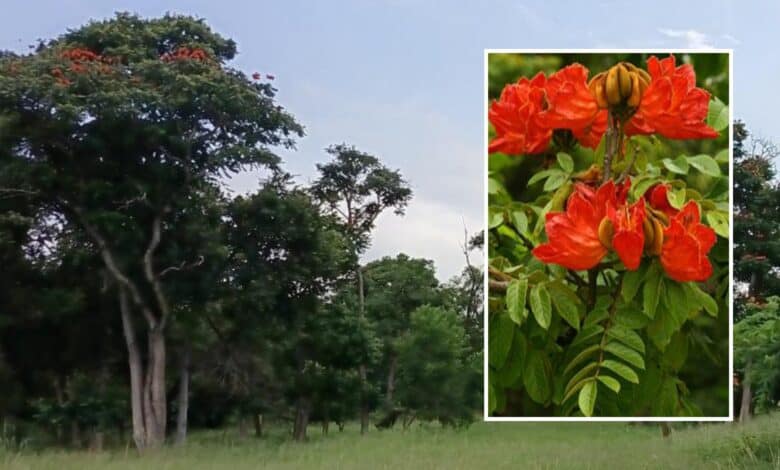
Spathodea, a genus in the plant family Bignoniaceae, includes the striking Spathodea campanulata, more commonly known as the African tulip tree or African flame tree. This visually arresting tree grows to heights of seven to 25 metres and is native to the tropical dry forests of western Africa. It has the dubious honour of being listed among the 100 worst invasive species globally.
As many Lowvelders and visitors will know, the African tulip tree ignites our urban and rural landscapes with vivid orange-red blooms during the spring, summer and autumn months. Yet, as is often the case with invasive species, its spectacular beauty masks a more troubling reality – these alien plants pose a serious threat to our indigenous ecosystems.
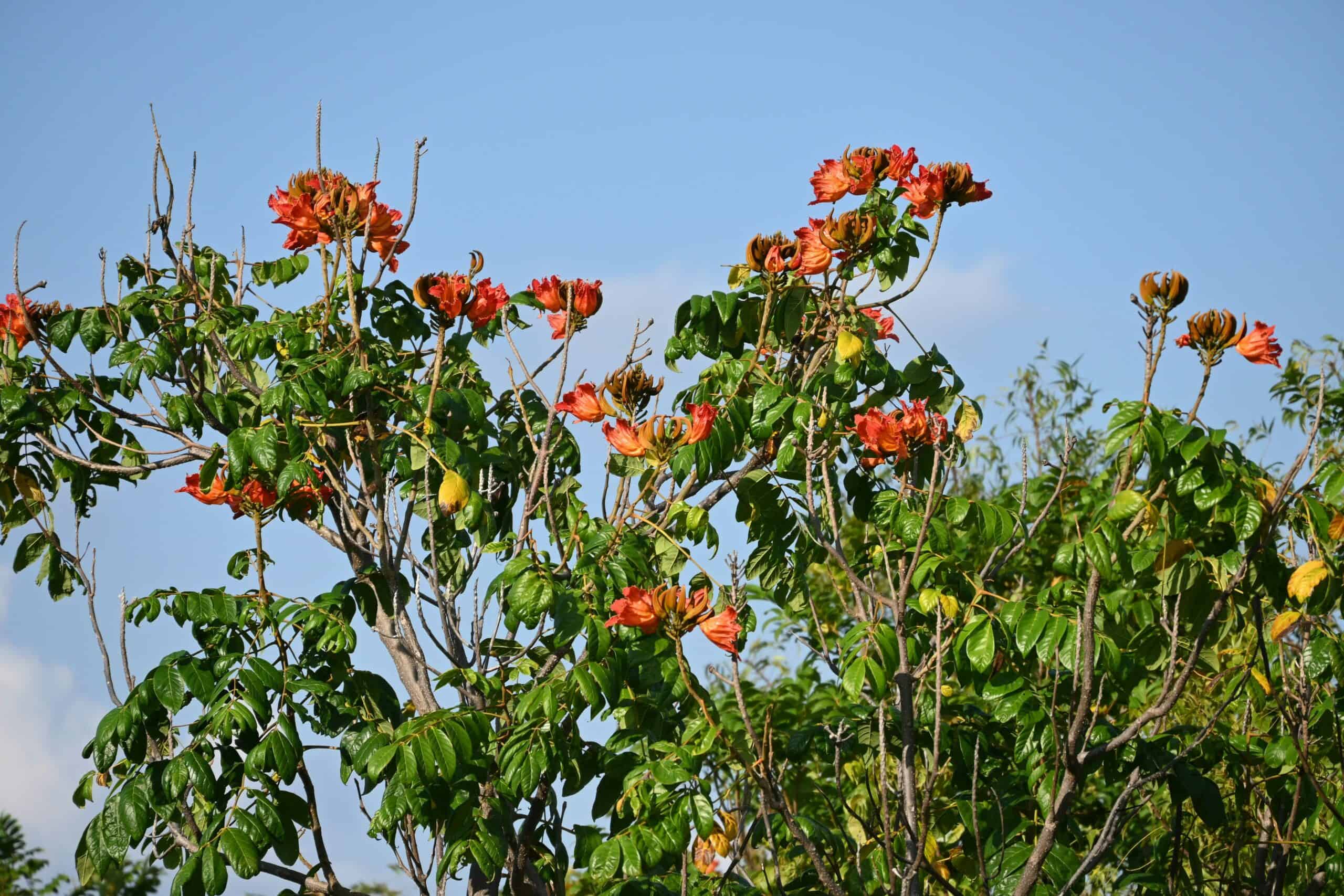
In South Africa, the African tulip tree is classified as a category 3 invasive species under the National Environmental Management: Biodiversity Act in KwaZulu-Natal, Mpumalanga, the Eastern Cape and Limpopo. Existing trees may be retained only if they are located more than 30m away from the 1-in-50-year flood line of watercourses or wetlands, and provided that all reasonable measures are taken to prevent their spread.
The trees in the adjacent images are located in the Greater Riverside Biodiversity Initiative and are visible from the R40 between Mbombela and Rocky Drift, opposite the multi-franchise vehicle dealerships. Situated within a wetland, these specimens have been flagged for priority removal by the Riverside City Improvement District (CID) management. This action is in accordance with their legal responsibilities and commitment to environmental stewardship.