


Petrol engine features maximised fuel efficiency at lower speeds and increased power at higher speeds.
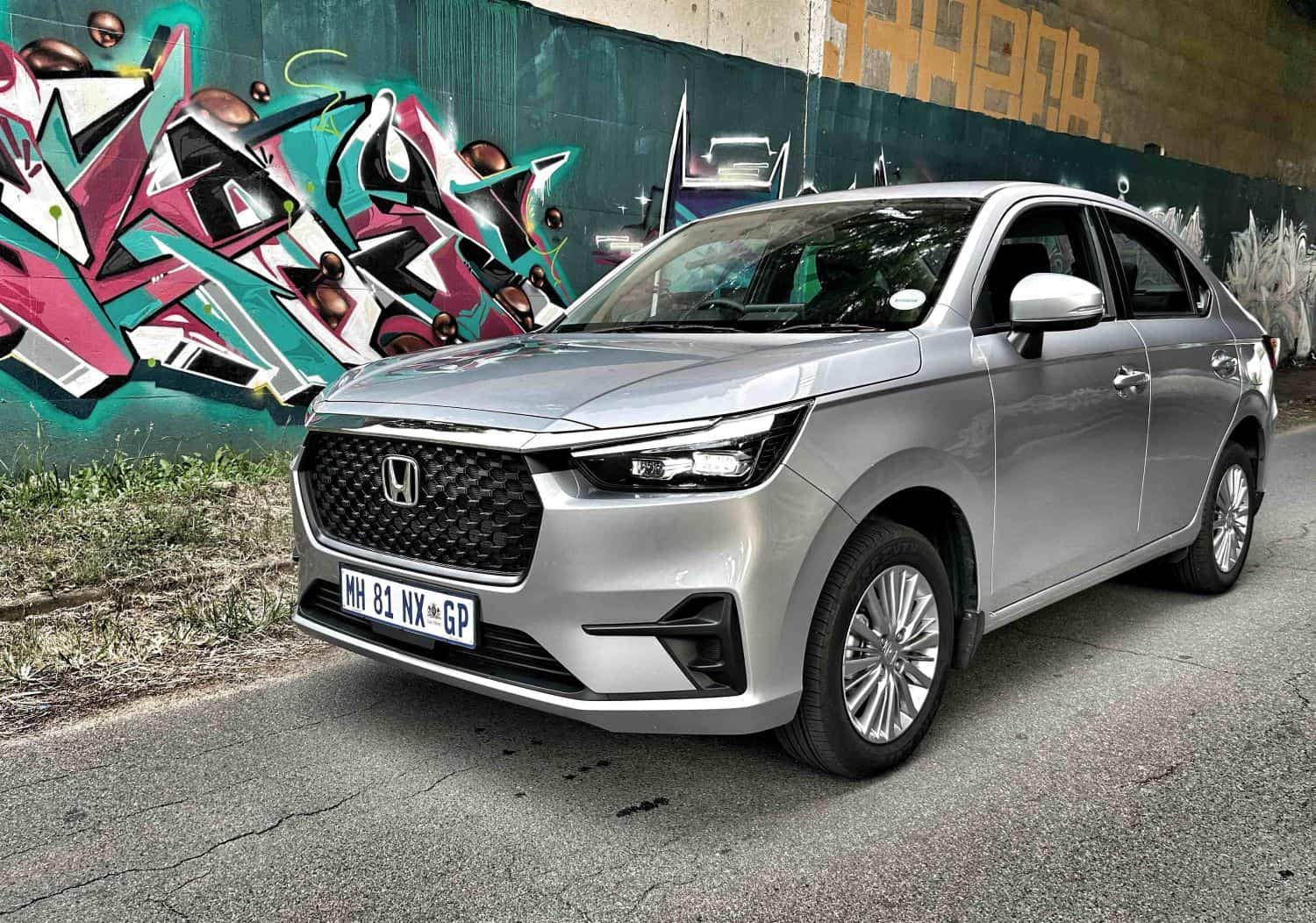
Our Honda Amaze Trend is clad in Lunar Silver metallic paintwork. Picture: Jaco van der Merwe


In the world of small capacity naturally aspirated engines, the 1.0-litre petrol mill has become the mainstay at the budget end of the scale.
Almost everyone playing in the space offers something that produces something in the region of 50kW of power and 90Nm of torque. Whether you minus one kilowatt here or plus two Newton metres there, those are the standard outputs across the industry for something for a 1.0-litre NA engine.
Whether or not it’s because of them having produced numerous Formula 1 championship-winning engines, the standards over at Honda are slightly higher. The smallest capacity engine found in the Japanese manufacturer’s range of cars is a four-cylinder 1.2-litre naturally aspirated petrol mill, which is exactly what powers our long-term Honda Amaze sedan.
ALSO READ: Honda Amaze shows why it’s a popular choice for e-hailing services
Honda Amaze’s clever engine
With 66kW at 6 000rpm and 110Nm at 4 800rpm this i-VTEC engine produces still won’t threaten any land speed records, but it is a massive upgrade from 50kW/90Nm. That is 32% more power and 22% more torque to be exact.
The i-VTEC is short for intelligent variable valve timing and lift electronic control. It is said to continuously adjust camshaft phasing in order to maximise fuel efficiency at low speeds and increase power output at high speeds. We can second that claim on both accounts.
Pulling away is not the most exciting part of driving the little sedan. But once on the move, it is quite surprising what the engine is capable of when revved high enough.
ALSO READ: Improved new Honda Amaze offers more without breaking the bank
Manual transmission works a charm
It’s fair to say that we have not been exactly taking the Springbok front row to practice in it, but mostly two skinny teenage girls to school every day. Yet letting it rev in a lower gear is much more rewarding than swopping cogs too soon.
Speaking of swopping cogs, the fact our long-termer is a five-speed manual adds to the joy, as we can safely guess the CVT will be a horrible alternative.
As far as economy goes, we averaged seven litres per 100km in the first two months. We think this is very acceptable number. It is possible to bring it down much closer to the claimed number of 5.5L/100km, but the drive will be a lot more boring.
Support Local Journalism
Add The Citizen as a Preferred Source on Google and follow us on Google News to see more of our trusted reporting in Google News and Top Stories.

