


Smallest mode in the Jaecoo range succeeds where its senior J7 sibling still falls short in certain areas.
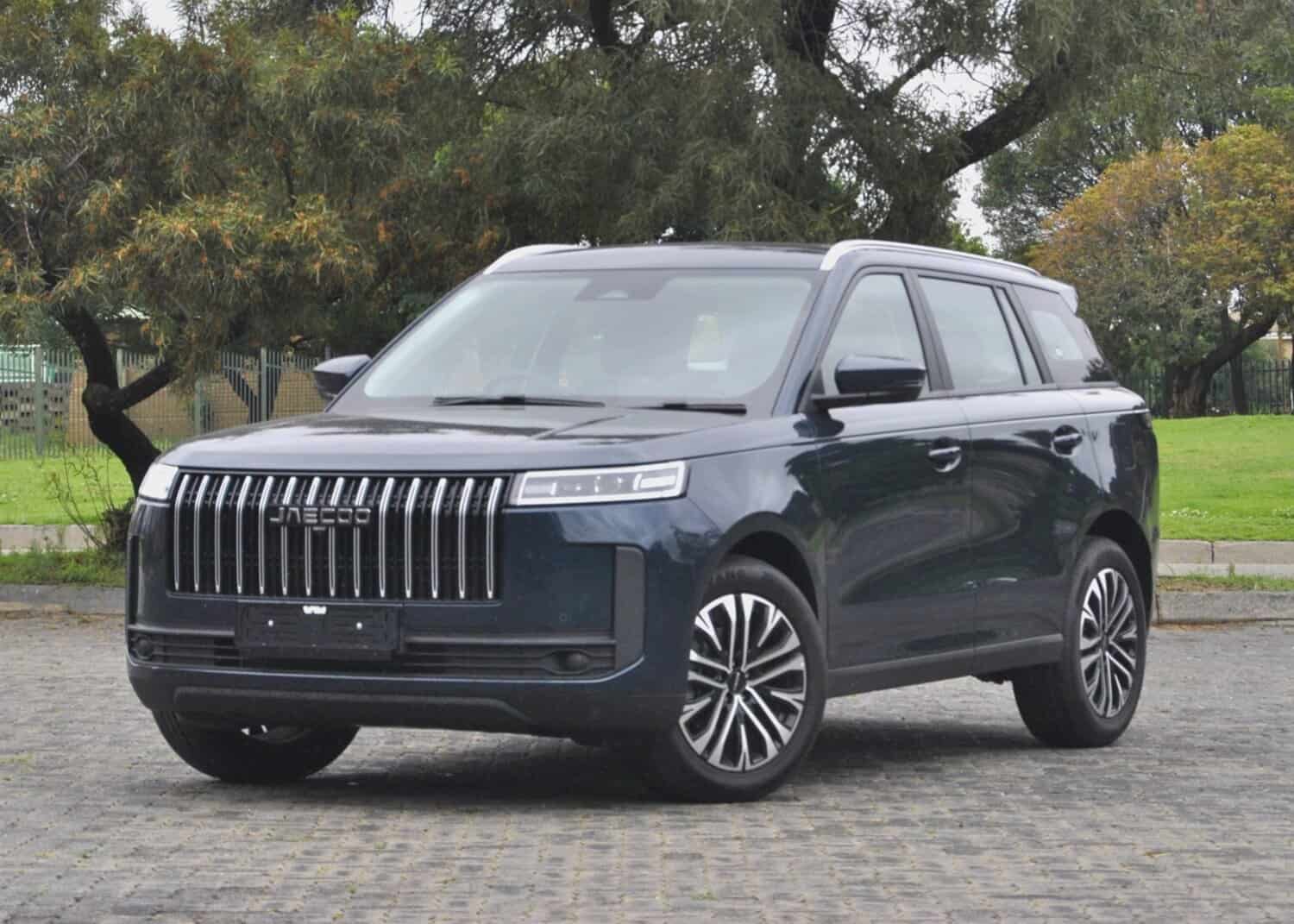
Although a step down from the J7, the Jaecoo J5 feels slightly better overall. Images: Charl Bosch


Similar to parent company Chery, Omoda & Jaecoo has increased its stake in the South African automotive landscape comparatively quickly since debuting with the C5 two years ago.
Already a success
Its entire product range currently comprising the C5, the newly launched C7 and C9, and on the Jaecoo side the J7, the latter’s unveiling of the smaller J5 in September came as the proverbial masterstroke
Limited to a single powertrain across all three available models, the J5’s pricing from R379 900 for the entry-level Vortex was, however, the biggest talking point considering its similar size and significantly more list of features than say the Toyota Corolla Cross.
ALSO READ: Jaecoo J5 introduced at whopping launch price of under R370k
The O&J brand’s second best-seller behind the C5, with sales of 816 units so far this year, the arrival of J5 for the weeklong stay involved the flagship Inferno priced at an almost too low R479 900.
An uptake of R100 000 on the Vortex and R40 000 more than the mid-spec Glacier, the Inferno’s sub-R500 000 sticker isn’t without substance as it comes equipped with not only more features than the Glacier, but almost equal to that of the base spec J7 Vortex priced at R519 900.
A situation that could be argued avails the admittedly slightly smaller and less powerful J5 Inferno as a better buy, the seven-day tenure saw it found lacking for little compared to the flawed C5 driven in 2023.
About those looks….
Aesthetically, Chery’s well publicised partnership with JLR, previously Jaguar Land Rover, comes to the fore most prominently in the J5 than in the J7.
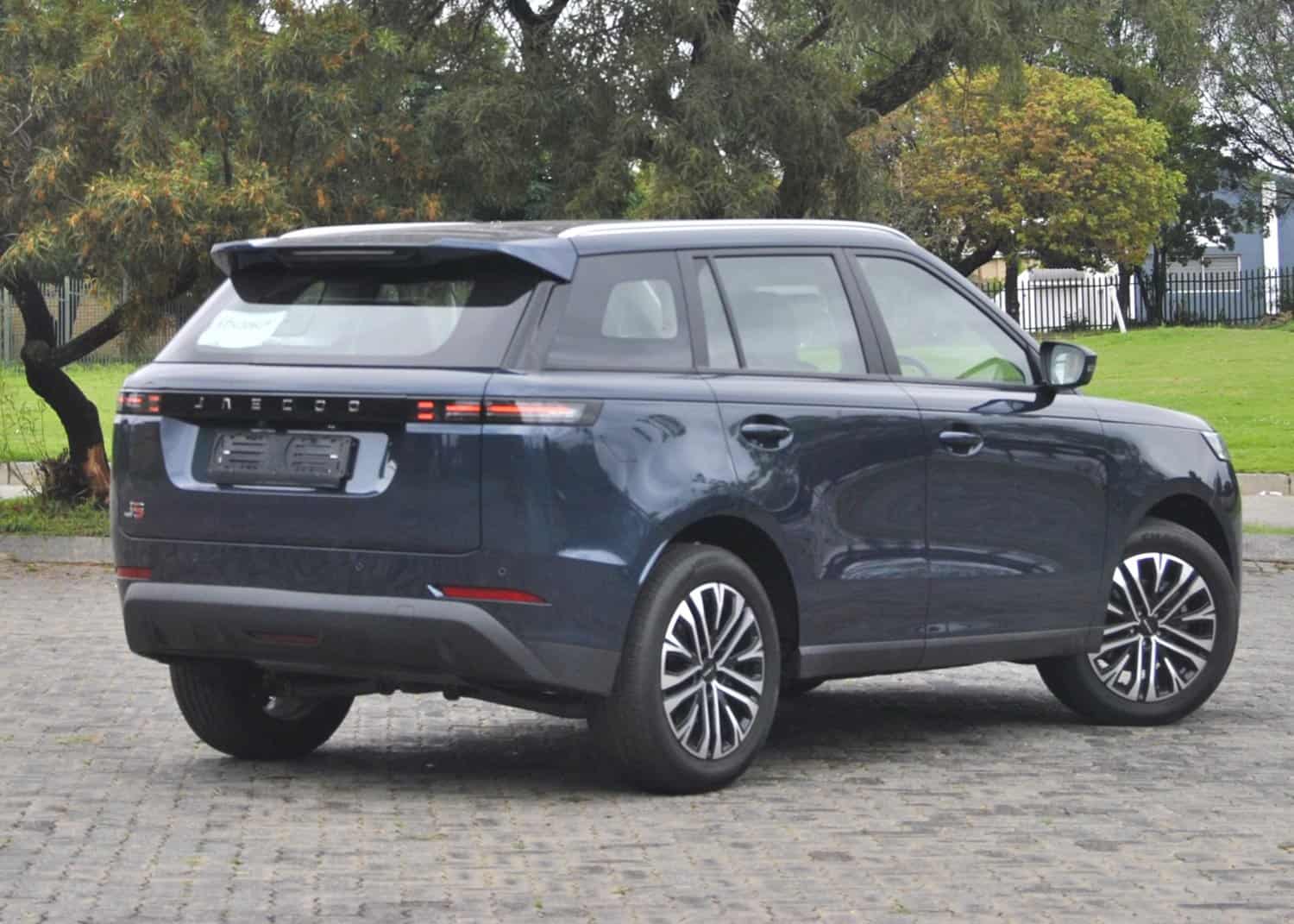
Styled to resemble the Range Rover Evoque and Velar, particularly when viewed from the rear and side, the J5 cuts a sleeker and less macho figure than the off-road devised J7 as insisted on from the beginning.
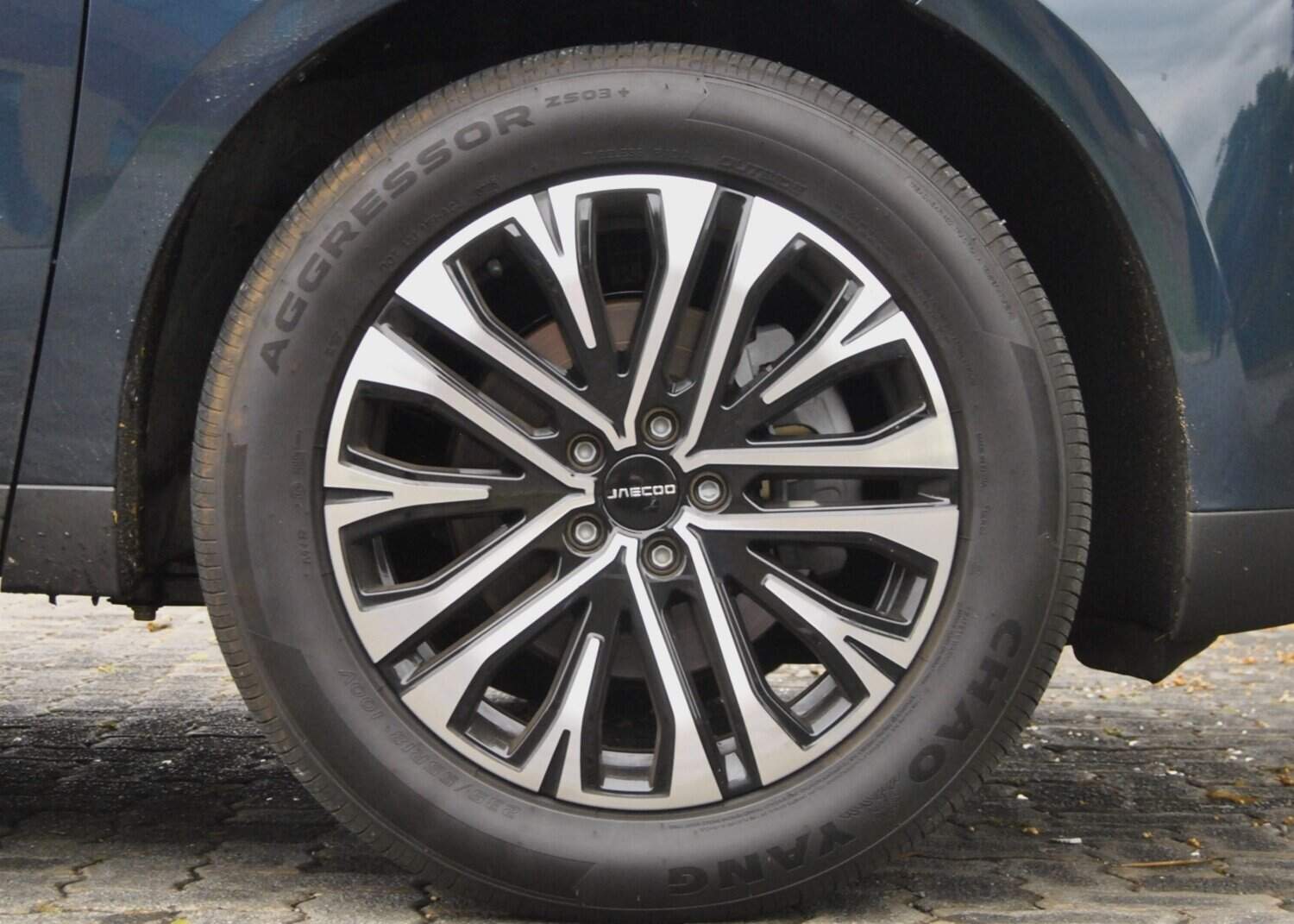
Finished in a colour called Deep Blue, the Inferno is mounted on 18-inch alloy wheels, and counters its sibling’s supposed lack of bulkiness by being more stylish and upmarket looking as per the vertical chrome slats on the grille and lack of black cladding around the wheel arches.
Identity of its own inside
Tugging open the door handle, which pop-out upon unlocking or in proximity to the sensor, sees the J5’s interior feature an identity of its own instead of sharing fundamentals with the J7.
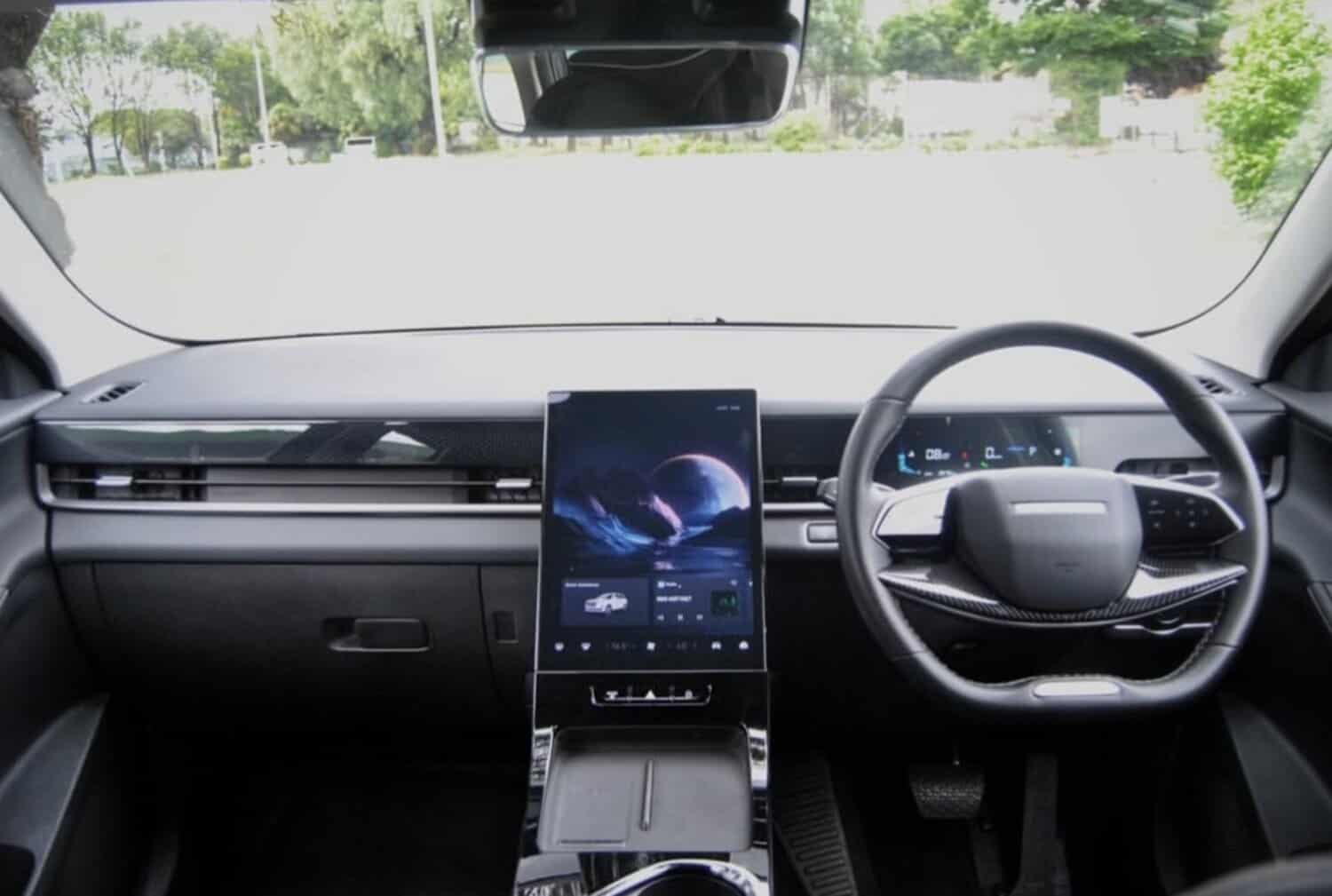
Besides the smaller 13.2-inch infotainment system versus the J7 Inferno’s 14.8-inch, the J5 sports a floating centre console with a wireless smartphone charging pad in place of the steering column-mounted gear lever.
Although still adhering to the minimalist design principle, most of the various functions remain within the system, though simplified and without the endless menus and sub-menus as on the J7.
Similar to the revised 12.3-inch Chery fitted to the updated Tiggo 7, the various functions have been grouped together instead of relying on an icon for each.
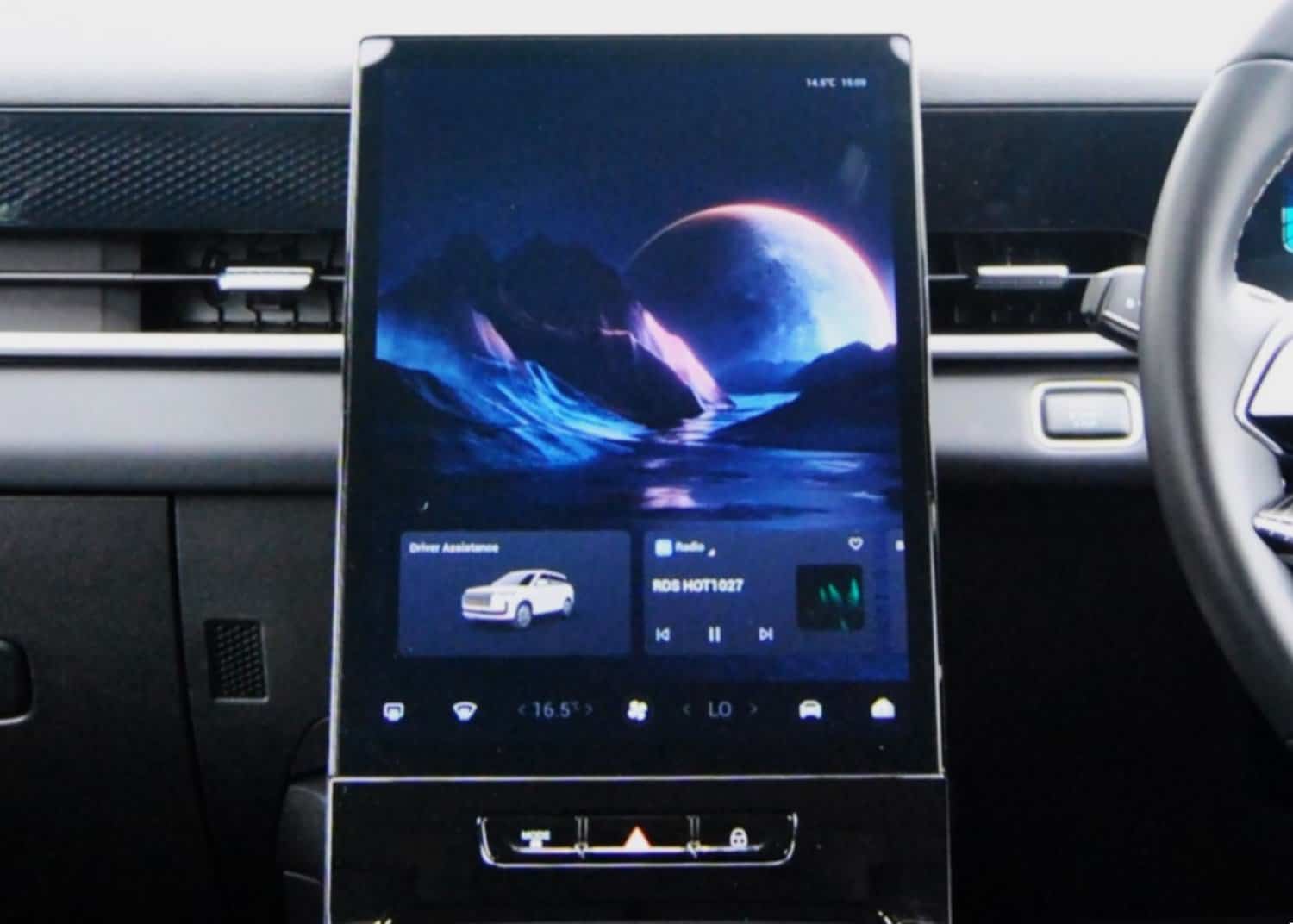
At the same time, the decent eight-speaker Sony sound system – with its rather gimmicky Karaoke mode – now comes with RDS, but retains the wireless Apple CarPlay and Android Auto, type-A and type-C USB ports.
Simplify
A further departure from the J7 is the eight-inch digital instrument cluster. Recessed into the dashboard itself rather than perched up in a freestanding position, the readouts are much easier to grasp and not obscured by the steering wheel.
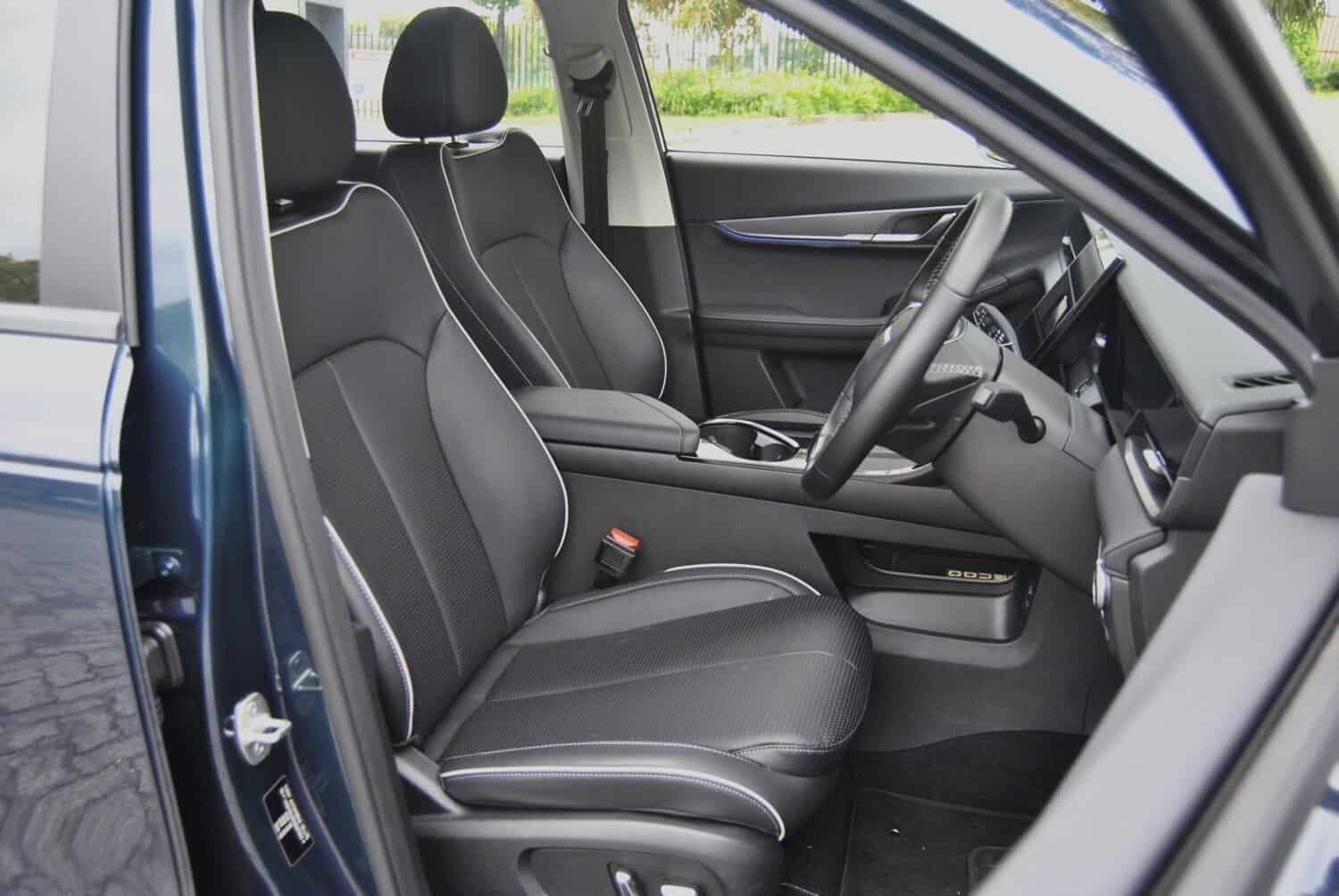
What’s more, the J5 lacks the height adjustability foible of the driver’s seat as on Tiggo 7, which means it now drops all the way to the floor.
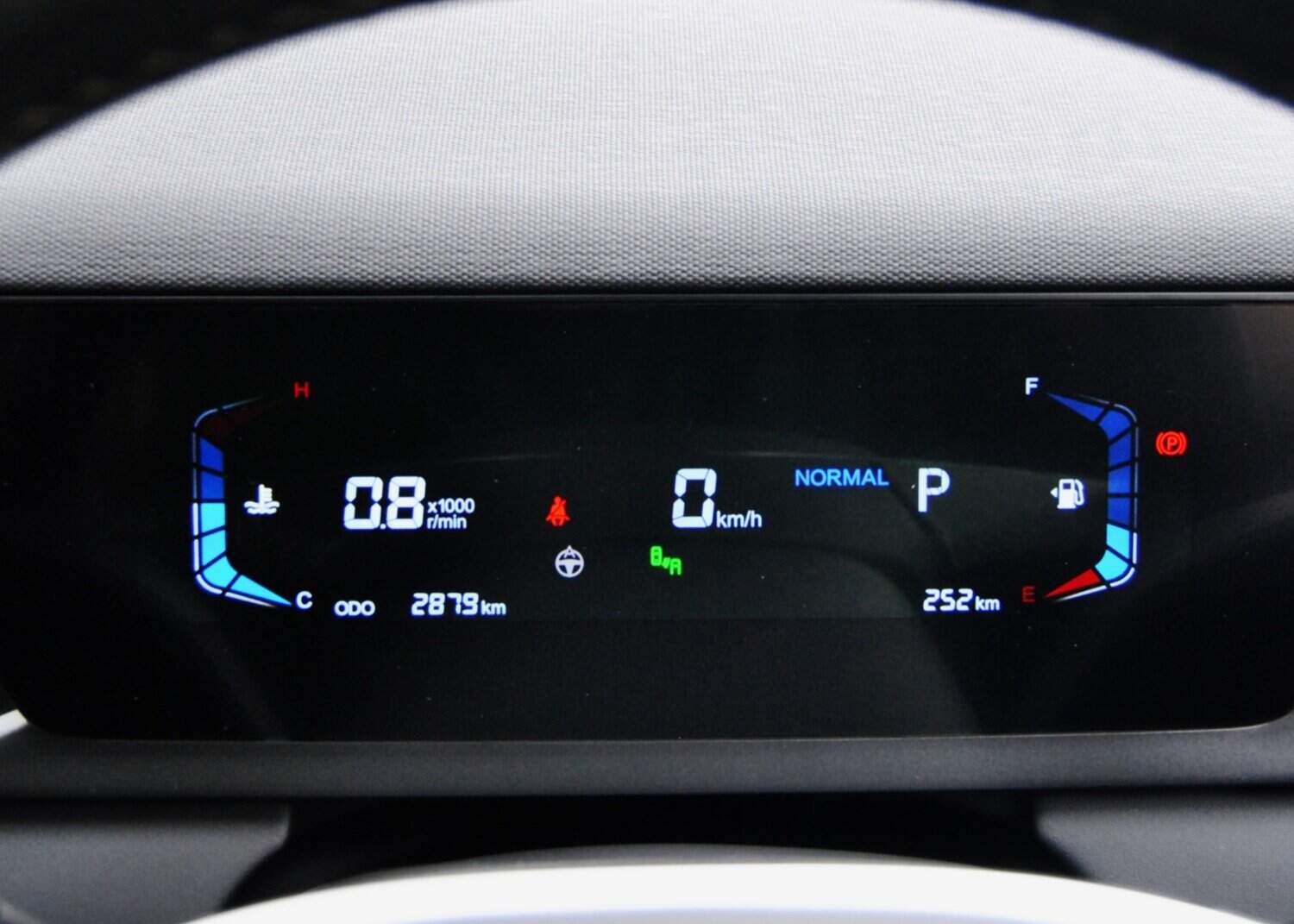
Being less adventure focused means the interior’s feels more upmarket than that of the J7, however, the excessive use of piano key black plastic on the console will require continuous cleaning and ultimately makes for an impractical touch.
At the same time, the haptic switches on the steering wheel lets the cabin down a bit more considering its supposed ease compared to the perceived complexity of the infotainment system.
Practical
Built quality is still premium, though, with soft-touch plastics and materials, and general well executed levels of fit-and-finish.
Seat comfort doesn’t hold back either, with soft but supportive chairs up front equipped with electric adjustability, but only ventilation function.
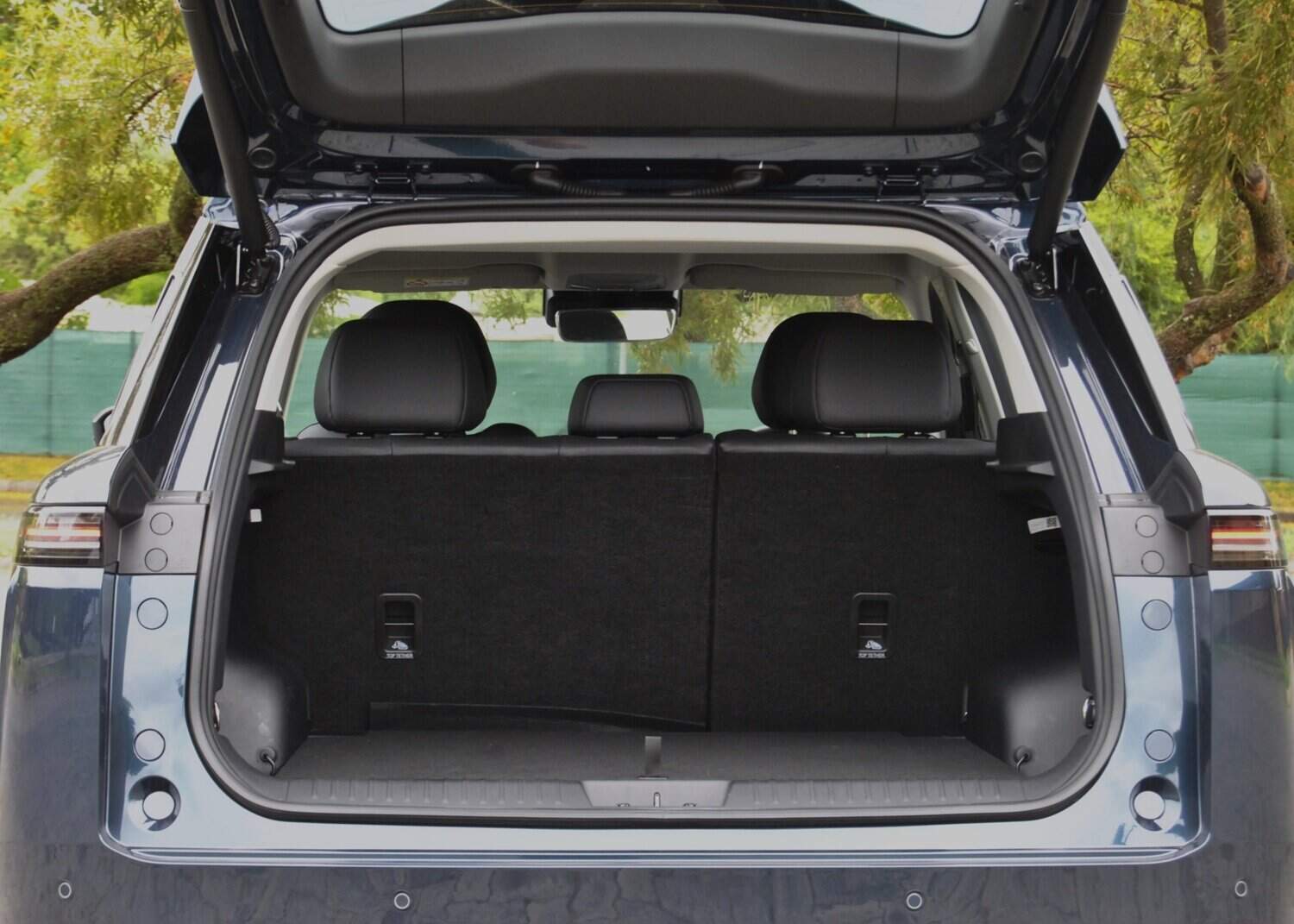
As has become the norm with Chinese vehicles, space isn’t found wanting as, on the practical side, opening the electric tailgate reveals a 480-litre boot.
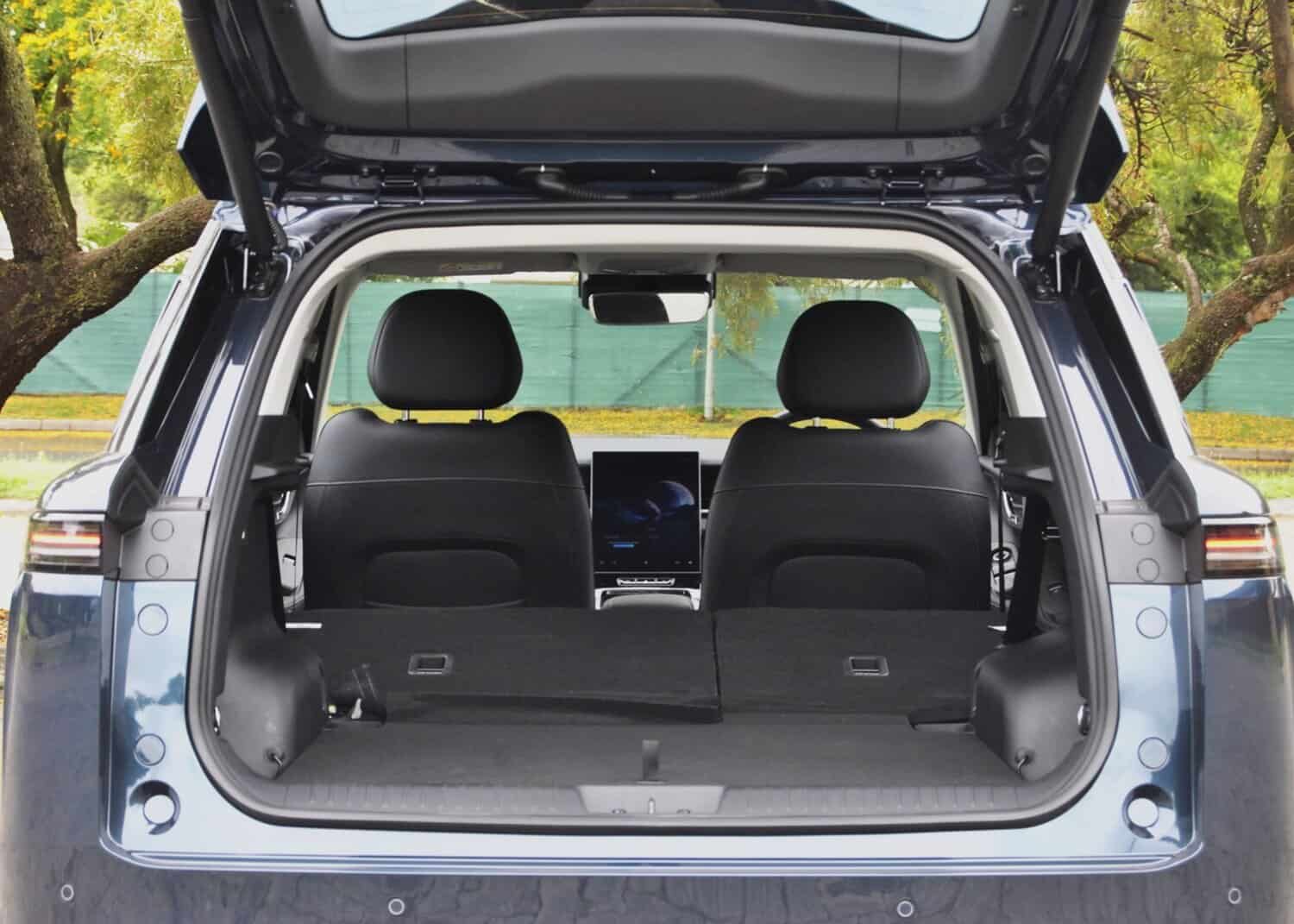
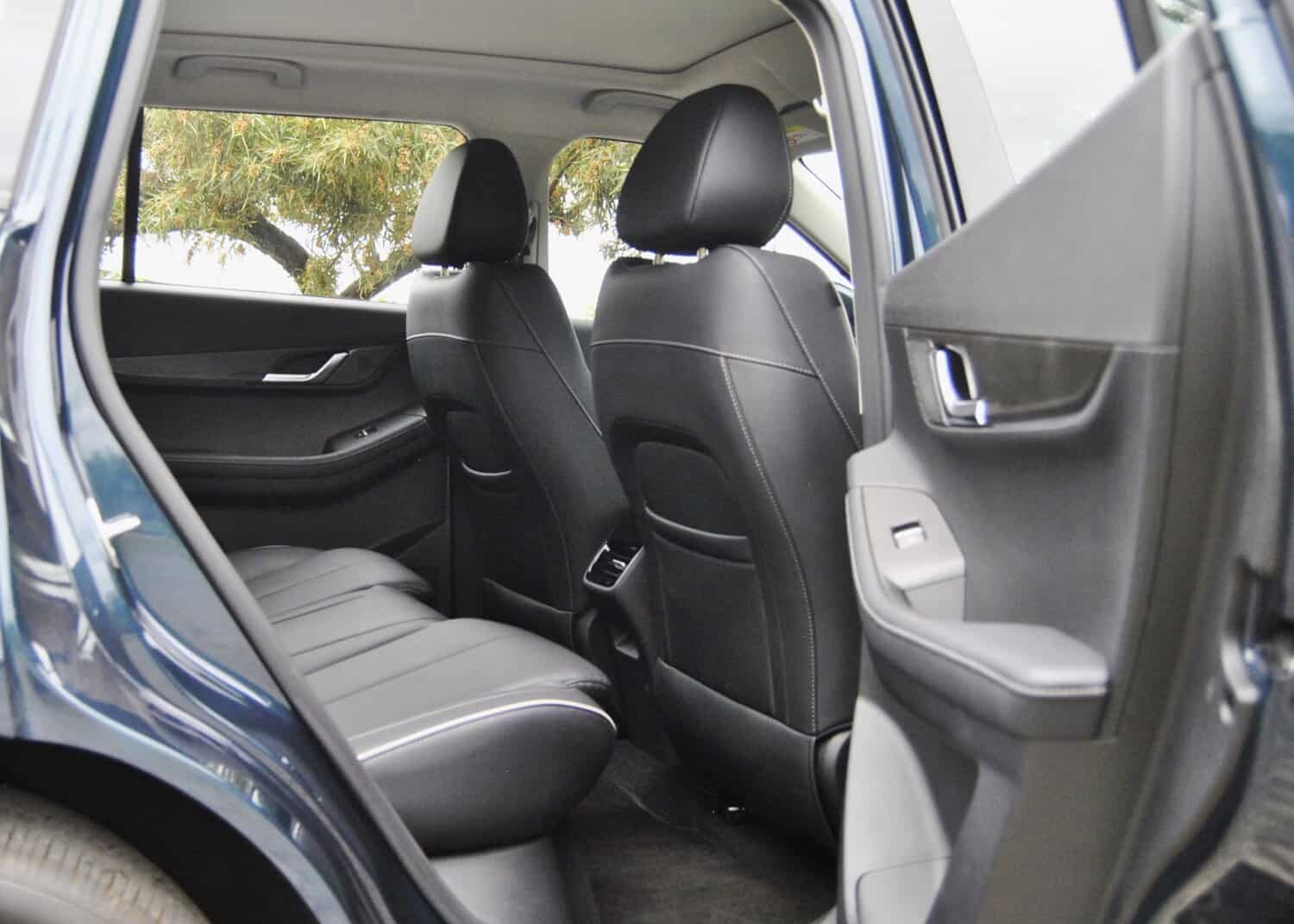
Tipping the rear seats forwards unlocks a total of 1 284-litres, which builds on the spacious rear quarters both on the legroom front, and headroom with no side-effects of the standard panoramic sunroof.
Powertrain impresses
As editor Jaco van der Merwe remarked during the launch drive, though, the J5 reserves its biggest surprise when on the move.
Based on Chery’s T1X platform that also underpins the J7, the J5 is powered by the equally familiar 1.5 T-GDI engine used in the Tiggo Pro 4, Tiggo Cross, Tiggo 7, C5 and all of the respective Jetour models.
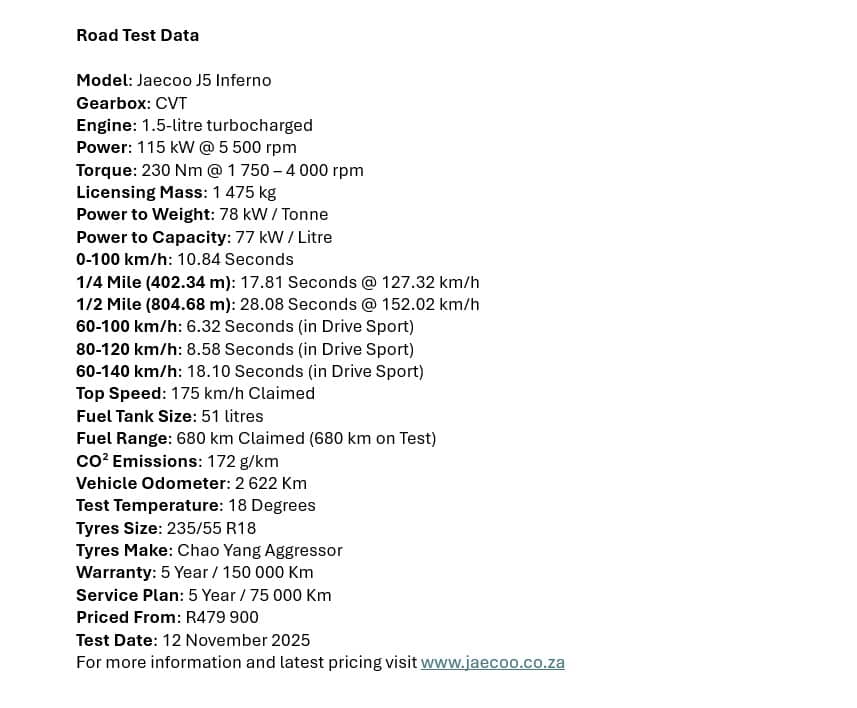
As in the C5, the setup produces 115kW/230Nm and is mated solely to a CVT.
Due to be joined by a hybrid next year, the setup is the exact opposite of the sluggish and mismatched feel experienced in the C5.
Aside from the engine being smoother and punchier in spite of having the same outputs, it also felt more flexible and nowhere as badly hampered by the gearbox as in the Omoda.
While the typical CVT drone remains, this only presents itself at higher speeds and quickly disappears once on the move.
Making the step-less ‘box even palpable is the almost complete lack of the usual throttle calibration programming issue found on most Chinese vehicles fitted with a dual-clutch transmission.
As standard, three driving modes are offered: Eco, Normal and Sport, as well as two settings for the steering, Comfort and Sport.
Despite sporadic spells in Sport mode, the combination of Normal and the Sport steering was selected throughout the weeklong stay.
Consumption ‘myth’
The latter offering a bit more feedback despite being heavier than the overly electric feel in Comfort, the other Chinese vehicle blemish, fuel consumption, was also partially addressed during the J5’s tenure.
Against Jaecoo’s claim of 7.5 L/100 km, the J5 ultimately recorded an indicated best of 7.3 L/100 km after the eventual 404 km stay.
Given the lack of quoted performance figures, the J5 was tasked being showing its strut at Gerotek, where it recorded an eventual 0-100 km/h sprint time of 10.8 seconds with Road Test editor Mark Jones behind the wheel.
Unsurprisingly, given the J5 being anything but a performance SUV, the run did highlight the improvement in brake response, but also worry about the completely unknown Chao Yang Aggressor brand of tyre the test unit featured.
Ride comfort is plaint and comfortable, and the cabin nearly devoid of wind or road noise seeping in.
Conclusion
As much as its success comes as no surprise based on its price, the Jaecoo J5 comes with added substance than simply relying on its sticker.
Although without the same adventure label as the J7, whose Inferno derivative comes with all-wheel drive as standard, the J5 is still better executed at flagship level, both inside and from a drivetrain standpoint.
Inclusive with a long list of warranties, Jaecoo’s smallest model, without doubt, adheres to the “bargain of the century narrative” but without feeling bargain-basement.
Road Test Data
NOW READ: Almost here: Jaecoo J5 showing itself in person in September
Support Local Journalism
Add The Citizen as a Preferred Source on Google and follow us on Google News to see more of our trusted reporting in Google News and Top Stories.

