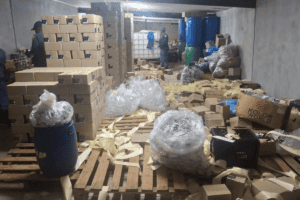
BMA acting commissioner said authorities in Malawi may be overwhelmed by the large number of citizens returning.
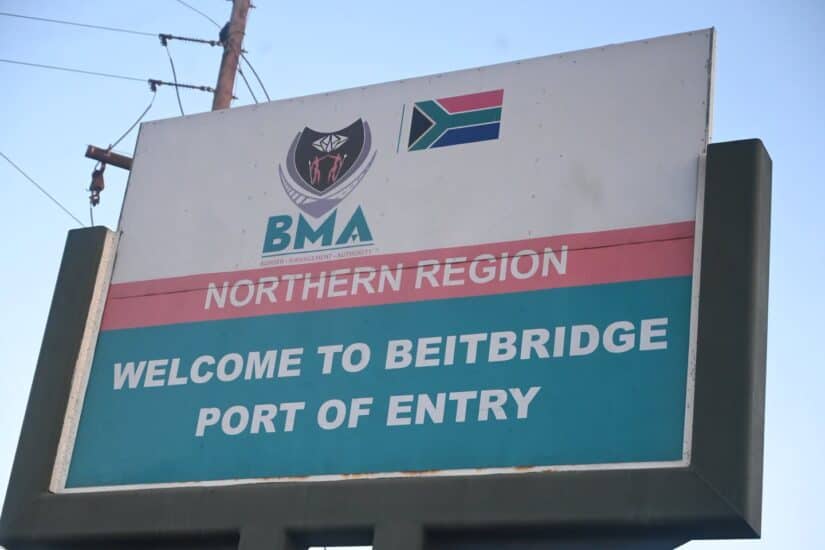
Picture: Border Management Authority


The Border Management Authority (BMA) has called on the Malawian authority to take over after 35 000 undocumented foreigners were repatriated from South Africa this week.
Deportation processes
Acting Commissioner of the BMA, Major General David Chilembe, provided an update on Thursday on the repatriation process at the Beitbridge Port of Entry.
“We are busy with three processes: the deportation processes, the voluntary repatriation and the normal facilitation of movement of people and goods,” he added.
He noted that that more than 35 000 people have been repatriated since 7 June 2026.
“Since we started here, from the 7th, when the president announced the measures that we have to put in place with regards to the migration issues, we have dealt with more than 35 000 people who were repatriated and deported through this border post,” he said.
Call for Malawian authorities
Chilembe said around 1 700 Malawian citizens and 700 Zimbabweans were processed on Wednesday.
He added that the deportation process has been hindered because it needs Malawian authorities to get involved once the deportees are in Zimbabwe.
“The issues that we are dealing with here is that when it comes to Malawians, as you know that this border post connects South Africa with Zimbabwe.
“In order for us to facilitate Malawians, we need the Malawian authority to take over the process from us in order for them to be facilitated through Zimbabwe,” he said.
Overwhelmed by larger intake
Chilembe suggested that the authorities in Malawi may be overwhelmed by the large number of citizens returning.
“That is a challenge that we’re currently having because the Malawian authorities, it seems as if they are being overwhelmed by the high numbers of people that are crossing,” he said.
He also noted that they are still waiting for a number of buses.
“We have many buses that we have already facilitated and we are still waiting for a number of buses, because we are talking through the NatJoints, where they are giving us stats: how many buses are on our way,” he added.
Citizenship verification
Another main challenge, he noted, includes verifying the certification of citizenship of those crossing the border.
“We don’t want a situation where we’ll repatriate South Africans to Malawi and then they will be having serious challenges,” Chilembe said.
He added that those involved in crime try to evade the consequences by following the repatriation processes.
“That’s why we’re going through the fingerprints process, in order that whenever we find somebody who’s trying to evade the process by getting into this repatriation, then we can get them and deal with them.
“However, we are here, you might have heard that we are introducing a new place, where we are going to keep the citizens of both Malawi and Zimbabwe, whoever goes through this port, in order for us to make the process easy to do the facilitation,” he explained.
Accommodation
He added that a space was created to accommodate repatriated individuals and provide food and medical assistance to those who may need them.
“It is very accommodating because we have marquees up there and whenever they are able to be fed, we have got medics that are dealing with medical issues, so we then take them batch by batch on the buses.
“When they arrive here, its an easy process, we just check how many are there in the bus and then they go through.”