DA Tshwane spokesperson for finance Jacqui Uys called on Nasiphi Moya to come clean on the R2 billion salary gap.
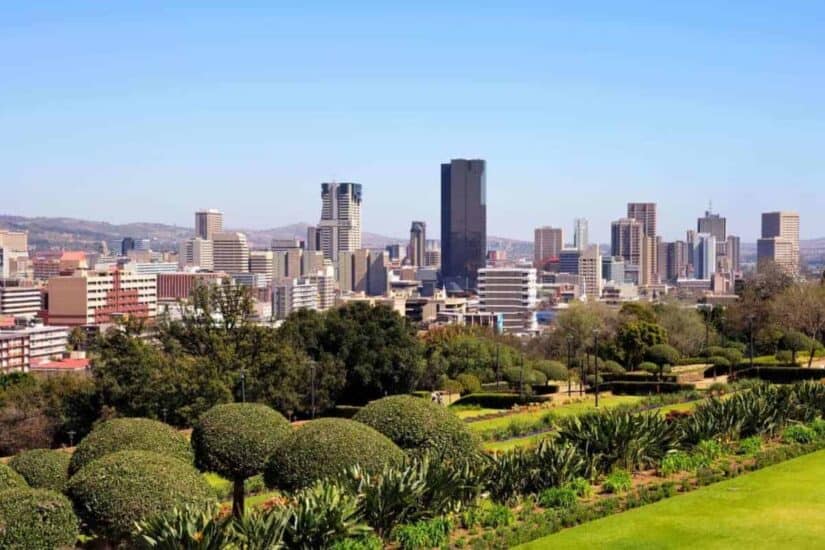
A view of the city of Tshwane in Gauteng. Picture: iStock


The City of Tshwane rejects claims by the Tshwane DA that its 2026-27 budget has a R2 billion shortfall in employee-related costs.
City spokesperson Lindela Mashigo said the difference between the personnel cost requirement initially proposed by Group Human Capital Management and the amount ultimately approved through the city’s budget process does not constitute an immediate R2 billion unfunded liability or salaries’ shortfall.
This comes after DA Tshwane spokesperson for finance Jacqui Uys called on mayor Nasiphi Moya and her finance MMC Eugene Modise to come clean and explain the plan to plug the R2 billion salary gap in Tshwane, adding that the city’s budget was not funded. Uys said the latest revelation of a R2 billion gap in the provision for staff costs confirms the serious concerns the DA have raised for months.
Accounting technicality?
“The city cannot continue to claim that it has a fully funded budget when billions of rands in known obligations are not adequately provided for.
“This is not merely an accounting technicality. If the city does not have sufficient money to meet its salary obligations, it raises serious questions about what expenditure will ultimately be sacrificed to keep the city functioning,” she said.
City explains what happened
Mashigo said: “During the preparation of the 2026-27 medium-term revenue and expenditure framework, Group Human Capital Management submitted a personnel cost planning requirement of approximately R15 billion, representing an increase of about R3 billion from the previous financial year.
“Following the city’s normal budget scrutiny and affordability assessment, Group Financial Services approved an employee-related cost budget of approximately R13 billion, using the 2025-26 adjustments budget as the baseline.
“The approved R13 billion allocation makes provision for the city’s anticipated employee-relat ed expenditure, including R229 million for the filling of vacancies and R362 million for salary back pay obligations during the 2026 27 financial year.
“Budget proposals are subject to assessment, prioritisation and affordability, and the difference between an initial departmental requirement and the final approved allocation should, there fore, not be interpreted as a funds gap from the budget.
“The approved R13 billion allocation makes provision for the city’s anticipated employee-relat ed expenditure. The difference between an initial departmental planning requirement and the final approved allocation should therefore not be presented as a R2 billion salary shortfall.” Mashigo said based on actual employee-related expenditure during the 2025-26 financial year and expenditure record ed in the first month of 2026-27, the city has not identified a material risk of overspending on employee costs.
“Expenditure will continue to be closely monitored to ensure that personnel costs remain with in the approved budget and do not place undue pressure on resourc es required for service delivery.” he added. Mashigo said the city’s cur rent assessment does not indi cate an inability to meet its sal ary obligations, adding that the city would continue to monitor employee-related expenditure closely.
“Should expenditure trends require additional provision dur ing the financial year, this will be addressed through the city’s established budgeting processes, including the adjustments budget process, where appropriate,” he said. – [email protected]