The verified figures show a steady, year-on-year decline in both the mortality rate and the absolute number of deaths recorded.
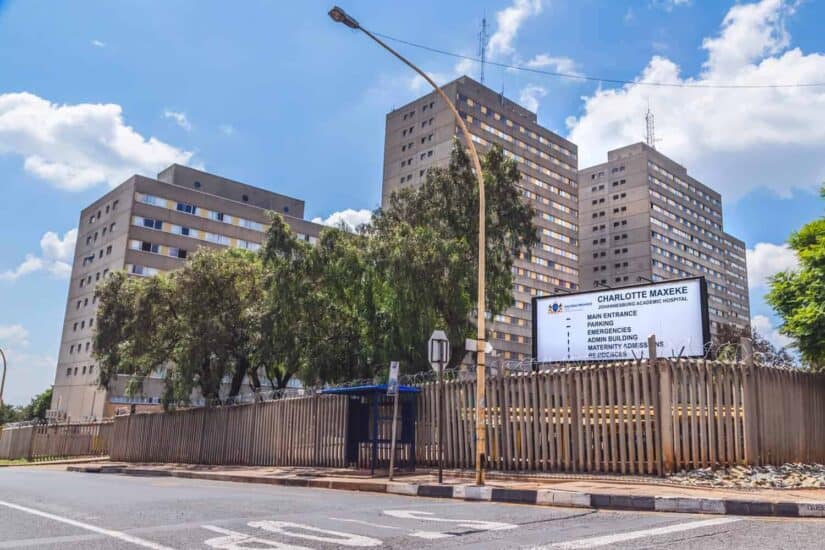
Charlotte Maxeke Academic Hospital. Picture: iStock


The Gauteng Department of Health has acknowledged a significant error in mortality statistics previously submitted to the provincial legislature, revising a reported 72.5% reduction in cardiac surgery deaths down to 34% after a data audit revealed calculation errors in earlier figures.
What the corrected data actually shows
The Gauteng Department of Health has moved to set the record straight on cardiac surgery outcomes at Charlotte Maxeke Johannesburg Academic Hospital (CMJAH), after discrepancies were uncovered in figures presented to the Gauteng Legislature.
Spokesperson Steve Mabona confirmed that a review of previously submitted information revealed that the original mortality reduction figure was the result of a data-handling failure.
“The previously reported reduction of 72.5% between 2023 and 2025 resulted from a data collation and validation error during the compilation of preliminary, non-reconciled datasets,” Mabona said.
“The department did not intentionally provide false information.”
Following a full verification process using consolidated departmental records, the corrected figures tell a different but still encouraging story.
Mabona said the revised data “reflects a 34% reduction in mortality between 2023 and 2025, indicating a sustained improvement in clinical outcomes over the period.”
Year-by-year breakdown of adult cardiac surgery deaths
The verified figures show a steady, year-on-year decline in both the mortality rate and the absolute number of deaths recorded in the adult cardiac surgery unit at CMJAH.
The mortality rate dropped from 21% in 2023 to 19% in 2024, and further to 14% in 2025.
In real terms, Mabona noted that deaths in the unit fell from 38 in 2023 to 27 in 2024, and to 23 in 2025.
“While any patient death is regrettable, the verified data reflect a progressive reduction in mortality over the reporting period,” he said.
The department also cautioned against interpreting these figures without proper context.
Mabona explained that “clinical outcomes in specialised cardiothoracic services are assessed using recognised methodologies that take into account patient complexity, disease severity, co-morbidities and procedural risk.”
He added that the numbers “should therefore be interpreted within the context of a tertiary referral institution managing highly complex and high-risk cardiac cases.”
Department pushes back on cover-up allegations
The release of the corrected data came amid broader public scrutiny of the unit, with some observers raising questions about whether the original figures had been deliberately misrepresented.
The department firmly rejected that characterisation.
“The department rejects suggestions of a cover-up regarding clinical outcomes at CMJAH,” Mabona stated, adding that the cardiothoracic unit operates under established governance and oversight structures.
These include routine morbidity and mortality reviews, multidisciplinary clinical discussions, and formal accreditation mechanisms.
Mabona further emphasised that the department was not shying away from accountability.
“The department acknowledges the importance of accurate clinical reporting and has already initiated measures to strengthen data governance, validation and quality assurance processes to ensure greater accuracy and consistency in future reporting,” he said.