



Experts warn social media is exposing children to cyberbullying, predators and harmful content as South Africa rejects Australia’s under-16 ban.
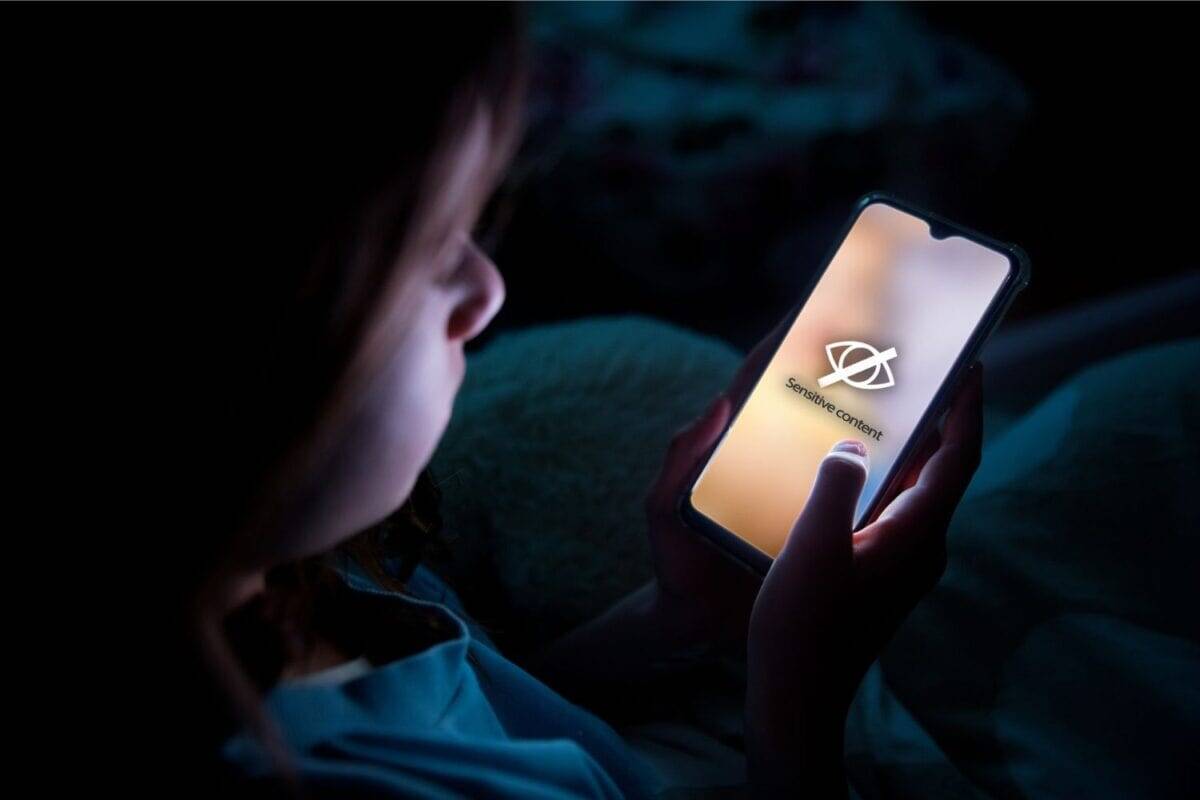
Growing concern over children’s online safety. Picture: iStock


Australia’s world-first decision to block under-16s from having social media accounts is the most dramatic intervention yet in the global debate about how childhood is being impacted by uncensored online access.
As of this week, children Down Under cannot legally open accounts on Instagram, TikTok, Snapchat, YouTube, Facebook, X, Reddit, Twitch or Kick.
Legislation and restriction of access have been largely lauded globally and copied in markets like Malaysia and Scandinavia.
SA rejects Australia’s under-16 ban
In South Africa, it’s been praised by many people, except by the government.
Minister in the Presidency Khumbudzo Ntshavheni instead told media that the country would not be following Australia’s example but rather “focus on South Africa’s path and let’s engage on that path”. She did not say what that path was.
ALSO READ: SA government on the possibility of Aussie-style social media ban
Psychologist Dr Jonathan Redelinghuys said access to social media at a young age is associated with anxiety, sleep disruption, body dissatisfaction and mood problems.
There are some benefits such as improved communication and peer support, but they do not outweigh the pervasive risks, he said.
He added that Australia’s approach mirrors alcohol regulation.
Approach mirrors alcohol regulation
“The logic is that minors lack the capacity to judge how harmful something may be,” he said.
“Expecting them to self-regulate these platforms is unrealistic.”
ALSO READ: Will SA follow Australia and ban under-16s from social media?
Digital analyst and netnographer Carmen Murray said platforms are not structured around child safety.
“The only incentive driving these companies is attention, not protection,” she said.
She added that algorithmic content is designed to provoke a response, not promote well-being.
Social media algorithm designed to provoke response
“Rage bait, for example, is becoming dominant in children’s feeds because provocative and polarising content keeps them online.”
Rage bait comprises offensive and provocative posts specifically designed to solicit anger and annoyance from its audience.
ALSO READ: Australia bans under-16s from social media in world-first crackdown
Murray said international studies show the scale of the problem.
“Ninety-six percent of children aged 10 to 15 have used at least one social platform, more than half have been cyberbullied and 71% have encountered harmful content,” she said.
“About one in seven has experienced grooming behaviour from predators. These numbers do not exist in isolation.
Scale of problem
“South African children are interacting with the same global ecosystem, under the same pressures, with far less structured digital education.”
This, said Murray, is why the South African government’s position shows a lack of understanding of the magnitude of the problem. They need to get on top of the issue and legislate, she said.
ALSO READ: ‘Social media is without doubt the biggest differential’ – veteran broadcaster Neil Andrews
“But how are they going to implement it, given the government’s history of lacklustre roll-outs?”
“People underestimate the risk. Parents believe platforms like Roblox are harmless,” she said. “
“The reality is that predators can hide behind child-like avatars and groom younger users.”
Predators reward children with Robux
Social worker Carryn Hennessy added that predators reward children with Robux, a platform currency, in exchange for explicit content.
“WhatsApp, Instagram and Facebook channels circulating abuse material are another threat,” she said. AI tools amplify this said Murray.
ALSO READ: Police to meet over viral ‘Middelburg Shutdown’ messages circulating on social media
“Deepfakes and synthetic child abuse images are appearing in school environments,” she said.
“Children are being targeted with fake explicit images created from ordinary photos.”
Interconnection of platforms accelerates the problem. Murray said that the speed at which harmful content filters into local feeds is staggering.
Tech has no borders
“Technology has no borders. South African kids are seeing the same trends, political narratives and extremist content as children in the US or Europe, often before parents even know it exists.”
If under-16 restrictions were introduced, she said it must come with strict age verification and more controlled youth environments.
ALSO READ: ‘All we need is 4 UJ students’: Discovery moves to discipline employee over leaked WhatsApps
Hennessy said many parents describe children withdrawing into their rooms for prolonged periods.
“Parents worry their children no longer know how to play,” she said.
“A lot of their friends are virtual strangers.” Some children rely entirely on online interactions. Others begin turning to strangers or AI systems for support.
Kids rely entirely on online interactions
“Children are turning away from their parents and toward platforms that cannot keep them emotionally safe,” she said.
Bullying or exclusion online compounds the withdrawal. Hennessy said some children display clear distress.
ALSO READ: Google to pay R688 million to SA’s media houses as Competition Commission report is released
“There are terrifying reports worldwide of children who have taken their lives because of cyberbullying,” she said. She supports the idea of age restrictions on social media access.
“Children are being exposed to pornographic, abusive and violent content long before they are developmentally equipped to process it,” she said.
Redelinghuys said parents should be alert to behavioural changes.
“When children start avoiding in-person interaction in favour of screens, they may be heading toward danger,” he said. “Sudden emotional changes that don’t match real-world events are a red flag.”
Be alert to behavioural changes parents
Smartphone Free Childhood South Africa, launched in October last year, has echoed these concerns for some time.
It says wanting a device does not mean a child is prepared for the “dark and dangerous portals it opens” and advocates for distraction-free schools, delayed smartphone access and slowtech, low-tech environments until young brains are ready.
NOW READ: Bafana coach Broos not fazed by ‘ridiculous’ comments
Support Local Journalism
Add The Citizen as a Preferred Source on Google and follow us on Google News to see more of our trusted reporting in Google News and Top Stories.

