Deputy Minister Nzuza says the real bottleneck lies in the appeals system.
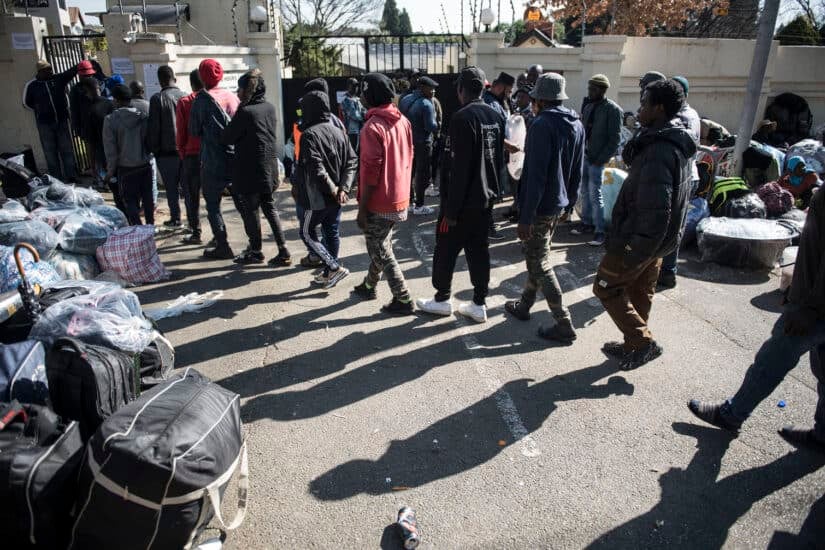
Malawian refugees camped outside the Malawi Consulate General wait for buses, 29 June 2026, in Woodmead, Johannesburg, as they attempt to make their way back to Malawi ahead of a nationwide anti-immigrant movement demonstration. Citizen-led groups have set Tuesday 30 as a deadline for undocumented foreigners to leave and have called for nationwide marches against illegal immigration. Picture: Michel Bega/The Citizen


Parliament’s home affairs committee heard that the refugee appeals backlog has grown to 161 000 cases despite a reported 12% reduction.
Members of parliament (MPs) questioned funding gaps and disputed how officials were defining “backlog”.
Briefing parliament’s portfolio committee on home affairs on Tuesday, Deputy Minister Njabulo Nzuza said asylum applications were being processed on time when they were first lodged.
“I must indicate from the first instance that we do not have a backlog in terms of the first instance of application by refugee status determination officers,” he said.
Nzuza stated that the real bottleneck lay in the appeals system, which he described as an “unending blue- sky appeal process” that pushed cases into a prolonged cycle of review and litigation.
Reviews on target, but appeals backlog balloons
Standing Committee for Refugee Affairs (SCRA) chairperson Jane Mugwena told MPs that they had exceeded 90% of their review target, reaching 93.93% in the latest quarter.
She explained that SCRA operates independently within a legal framework, noting that “the standing committee is the creature of statute”.
However, the Refugee Appeals Authority (RA) painted a starker picture.
Its chairperson, Advocate Zilpha Raphesu, said active appeals had dropped from 79 870 to 70 976 cases over the past financial year.
She added that when the ring-fenced backlog was combined with newer cases under a UNHCR-backed surge project, the overall caseload stood at 161 000, of which roughly 90 000 files were now inactive or abandoned.
MPs question funding and figures
Several MPs pushed back on the department’s framing.
They argued that “it’s backlog all over from these entities,” despite official assurances to the contrary.
MPs also questioned the sustainability of relying on UNHCR-funded advocates, given that this funding was set to end in December.
Furthermore, committee members also asked for a clear projected completion date for clearing the backlog, saying repeated reports of percentage reductions were not sufficient for effective oversight.
The committee resolved to reconvene with the department’s chief financial officer to seek further clarity on budgeting, staffing and timelines before adopting a final report.